If your tap water leaves an odd taste, you’re tired of buying bottled water, or you’re concerned about contaminants like lead, PFAS, or microplastics, a reverse osmosis (RO) system could be the solution. These systems deliver clean, great-tasting water directly from your kitchen faucet, removing up to 99% of dissolved solids, heavy metals, and emerging pollutants. But with so many models, features, and price points, knowing how to choose a reverse osmosis system that fits your home, water quality, and lifestyle can feel overwhelming.
The right RO system isn’t about the highest price or most stages. It’s about matching performance to your specific needs. Whether you’re a renter with limited space, a homeowner with well water, or someone seeking smart monitoring and eco-efficiency, this guide breaks down every critical factor. You’ll learn how to avoid common pitfalls, maximize water efficiency, and pick a system that delivers pure water for years without wasting money on unnecessary features.
Test Your Water First
Before investing in any RO system, you need to know what you’re filtering. Your water’s contaminant profile should drive your system choice, and skipping this step risks overspending on unnecessary features or worse, under-protecting your family.
Get a Professional Water Analysis
Municipal water users should review their annual Consumer Confidence Report (CCR) or use the EWG Tap Water Database for free insights into local contamination. Well water users should test through a certified lab, which costs $200 to $500, or use a reliable DIY kit priced at $30 to $50. Free in-home tests offered by companies like Culligan cover basic issues but may not detect PFAS or microplastics.
Match System to Contaminants
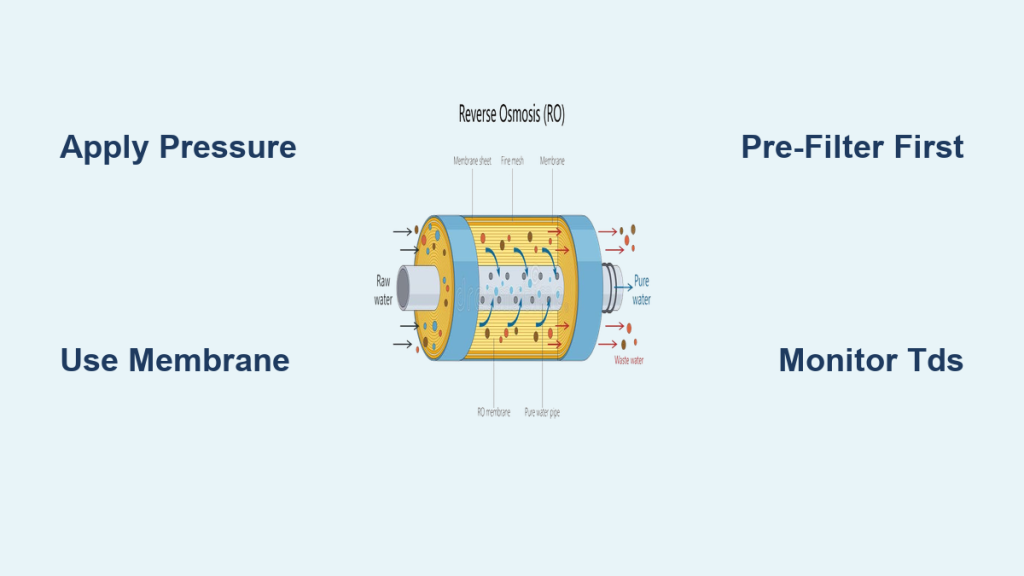
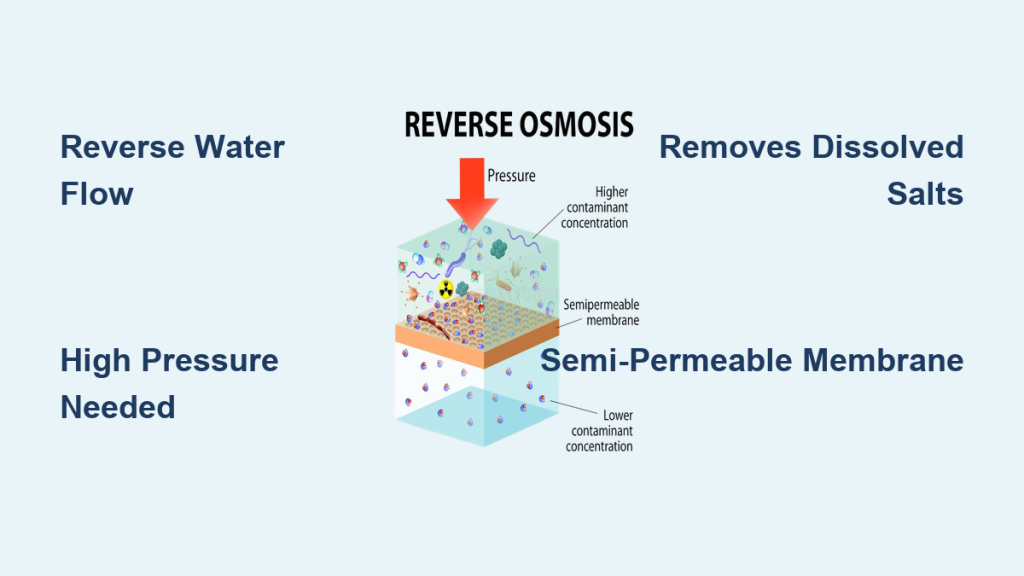
RO membranes remove 95 to 99% of most dissolved solids, but not all systems are equal. Your test results determine whether you need a standard 4-stage RO for chlorine, lead, and basic TDS reduction, or optional add-ons like arsenic filters, UV disinfection for bacteria and viruses, or PFAS-specific stages. Pre-filtration for iron, sediment, or high hardness is common in well water.
Pro Tip: If your water only has chlorine taste or odor issues, a simple carbon filter may suffice. RO is overkill unless you need heavy metal or fluoride removal.
Well Water? Add UV Protection
RO membranes filter but do not kill bacteria or viruses. If your well tests positive for microbiological contaminants, pair your RO system with a UV-C light as a final disinfection stage. This combo ensures complete protection against biological threats.
Know the 3 Main RO System Types
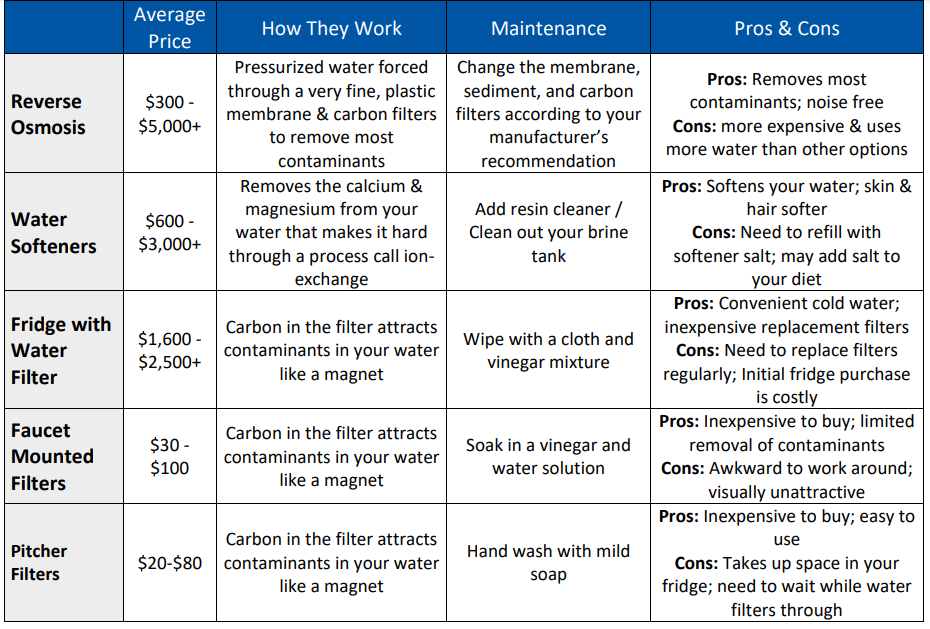
Choose the right style based on your living situation and needs. Each type offers distinct advantages and trade-offs for different households.
Countertop RO Systems
Best for renters, small kitchens, and temporary setups. These systems require no plumbing and connect to your faucet via a diverter valve. Price ranges from $100 to $500. The main advantages are portability, easy installation with no tools required, and no drilling needed. The drawbacks include taking counter space, slower flow rates, and less sleek aesthetics.
Under-Sink RO Systems
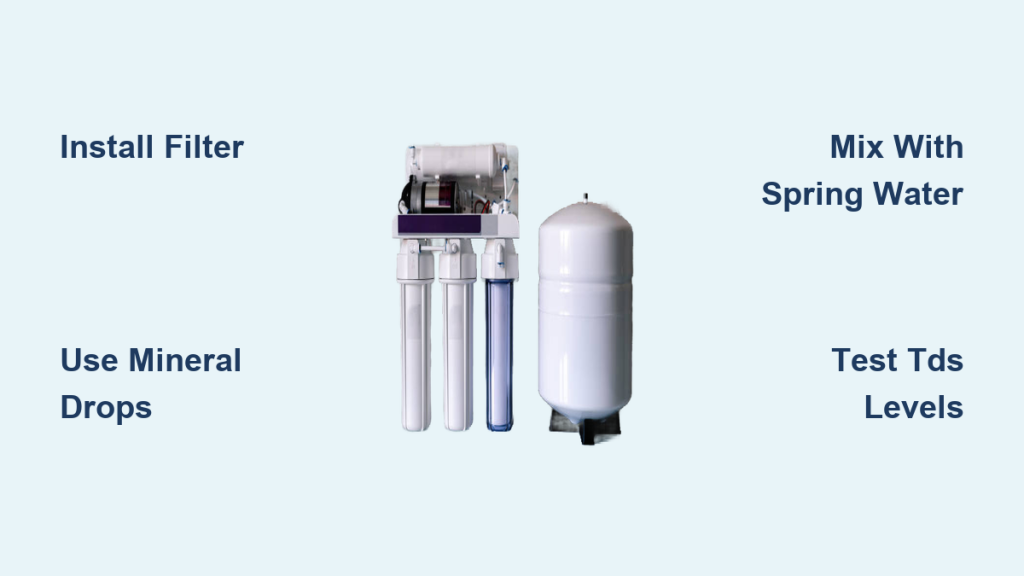
Best for homeowners, families, and long-term use. These hidden installations fit beneath your sink and provide the best value. Price ranges from $200 to $600 for the unit, or $300 to $950 installed. The advantages include high output, continuous supply via storage tank, and the best cost-to-performance ratio. The cons include requiring drilling for a faucet and basic plumbing skills. Most take 2 to 3 hours to install with standard tools.
Whole-Home RO Systems
Best for severe contamination, high TDS, and specialized needs. These systems purify all household water, including showers and appliances. Price ranges from $5,000 to $15,000 or more and requires professional installation. The advantages include treating every water source in your home. The drawbacks include massive water waste, complex maintenance, and high cost.
Expert Warning: Whole-house RO removes residual chlorine, increasing risk of bacterial growth in pipes. Most experts recommend point-of-use RO for drinking and cooking only.
Tank vs. Tankless: Choose Your Flow
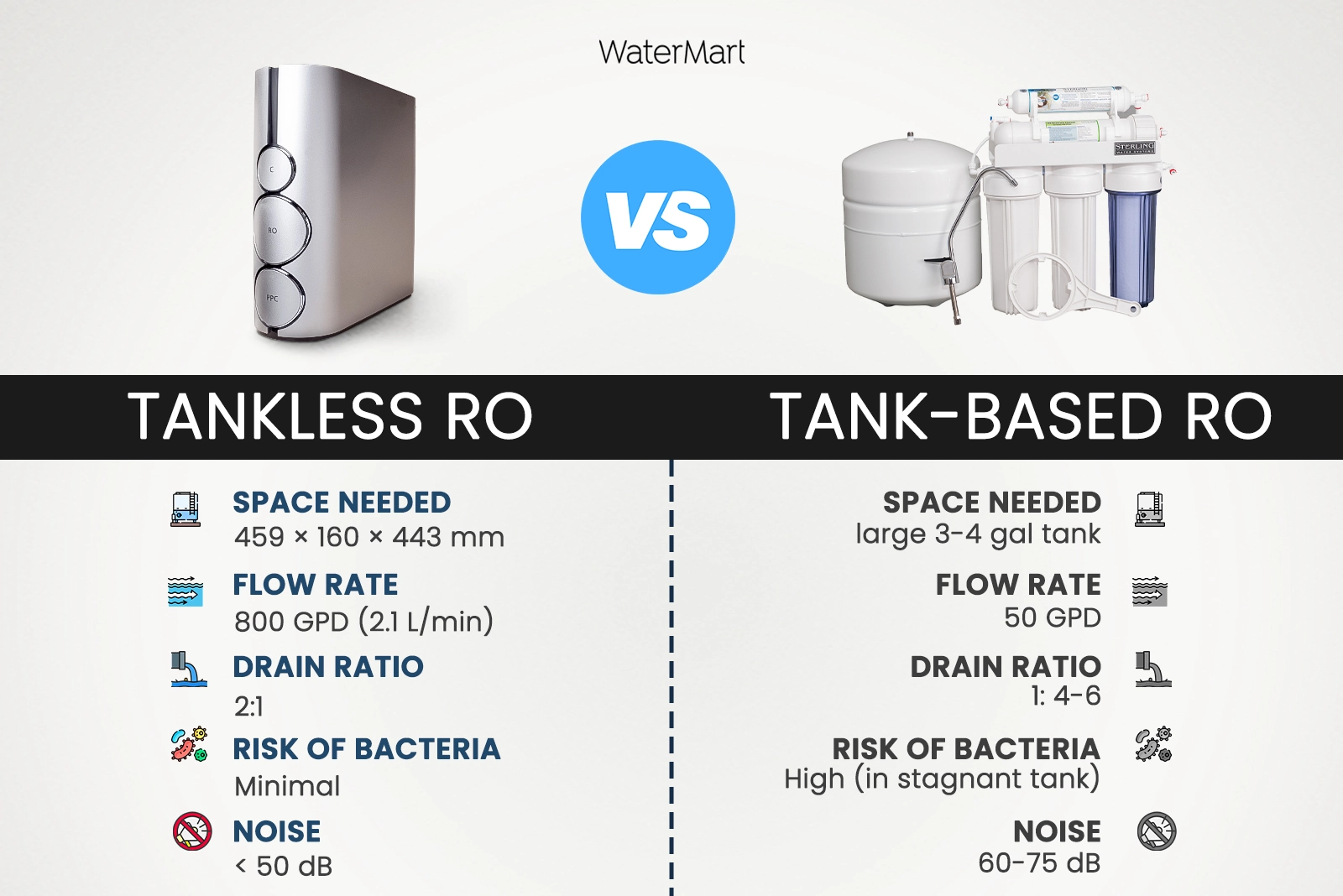
Your preference for speed, space, and water efficiency determines this key choice. Each option serves different household needs and priorities.
Tank-Based RO Systems
Best for consistent pressure, no electricity needs, and reliability. These systems store 2 to 4 gallons of purified water in a pressurized bladder tank. The advantages include no wait time for water on demand, no electricity needed, and stable TDS levels. The drawbacks include taking under-sink space, risk of stagnant water or biofilm if unused, and limited daily output of 50 to 100 GPD.
Maintenance Tip: Sanitize the tank annually to prevent microbial growth.
Tankless RO Systems
Best for compact kitchens, high daily usage, and eco-efficiency. These systems filter water on demand with no storage. The advantages include saving space, delivering up to 20 times more daily output than tank models, achieving 1:1 water recovery in some units, and no stagnant water risk. The drawbacks include requiring electricity, potential TDS creep (higher initial readings after idle periods), and higher upfront cost.
User Reality: One verified buyer returned a tankless model due to unacceptable TDS levels after overnight idle. Consider systems with auto-flush or permeate pumps to reduce creep.
Evaluate Must-Have Features
Modern RO systems offer upgrades that enhance convenience, taste, and integration. Understanding which features matter most helps you avoid paying for unnecessary extras.
Smart Monitoring and Alerts
Top models like Culligan Aquasential Smart RO and Kinetico K5 include Wi-Fi and app control that tracks filter life, water usage, and contaminant reduction. These systems send maintenance alerts before filters expire and support smart home dashboards.
Best for: Tech-savvy users who want hassle-free upkeep.
Faucet Design and Options
Standard dedicated faucets come in brushed nickel, chrome, and matte black finishes. Faucet-free systems like Culligan’s ClearLink PRO switch between tap and RO water at your existing faucet without needing an extra hole. Monitor faucets show real-time filter status and water quality via LED lights.
Refrigerator and Ice Maker Connection
Use a T-adapter to feed purified water to your fridge. This ensures clear, odor-free ice and drinking water. It requires 1/4-inch tubing and careful leak-proof installation. This works with LG, Samsung, and most standard refrigerators.
Remineralization for Better Taste
RO water can taste flat because it removes calcium and magnesium. Mineral boost cartridges like Culligan Mineral Boost+ and PuROTwist 4000 add back beneficial minerals, raise pH for alkaline balanced water, and improve taste and mouthfeel.
Health Note: WHO confirms RO water is safe, but long-term consumption of demineralized water should be paired with a mineral-rich diet.
UV-C Disinfection for Safety
UV-C light kills bacteria, viruses, and cysts, making it critical for well water. It works as a final stage after the RO membrane and requires power and annual bulb replacement.
Top Pick: Waterdrop G3P800 and Kinetico K5 with UV option.
Calculate Total Cost of Ownership
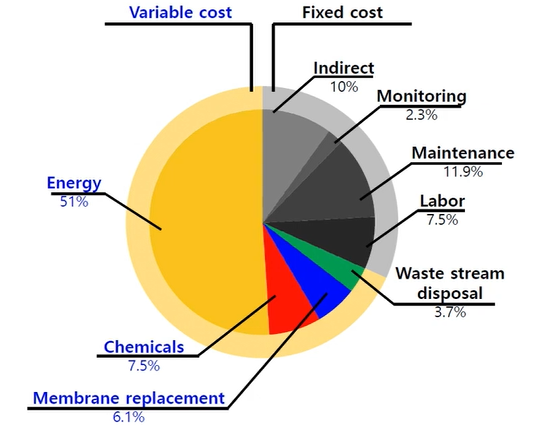
Don’t just look at the sticker price. Factor in long-term expenses including filter replacements, water waste, and energy usage.
Upfront Costs
| System Type | Price Range |
|---|---|
| Countertop | $100 to $500 |
| Under-Sink | $200 to $600 |
| Whole-Home | $5,000 to $15,000+ |
Warning: Cheap systems may use low-quality membranes or proprietary filters that cost more over time.
Annual Maintenance Costs
Pre and post-filters need replacement every 6 to 12 months at $20 to $50 per set. RO membranes last 3 to 5 years and cost $50 to $100. Total yearly cost ranges from $60 to $150, with higher costs for proprietary filters.
Savings Tip: Choose systems with non-proprietary, widely available filters like Microline TFC-400-ESP or PuROTwist RO.
Water Waste and Efficiency
Traditional RO wastes 3 to 5 gallons per 1 gallon purified. Eco-friendly models achieve 1:1 recovery ratio, like Hume Water Saver 75 and PuROTwist 4000. Waste cost adds $5 to $15 monthly to your water bill.
Eco-Hack: Reuse drain water for gardening, mopping, or flushing toilets.
Energy Use
Tank-based systems use no electricity. Tankless and UV models require power for pumps and lamps. The impact is minimal but matters for off-grid homes.
ROI Win: A family spending $50 monthly on bottled water saves $600 yearly. A $500 RO pays for itself in 10 months.
Check Space and Installation Needs
Most under-sink RO systems are DIY-friendly, but understanding requirements prevents surprises during installation.
Installation Requirements
Systems connect to cold water line, drain, and dedicated faucet using 1/4-inch tubing standard across brands. Drilling for the faucet may be required unless using ClearLink PRO.
Help Available: Most brands offer video guides and live support.
Water Pressure Matters
Ideal range is 40 to 80 psi with 60 psi optimal. Below 40 psi requires installing a booster pump to protect membrane performance.
Space-Saving Tips
Tankless models work best for tight under-sink areas. Slim tanks are available in traditional systems. Remote mounting in basement or cabinet works if space is limited.
Prioritize Certifications and Performance
Don’t trust marketing claims. Verify performance with independent certifications that ensure contaminant reduction claims are accurate.
Essential Certification: NSF/ANSI 58
This certification proves contaminant reduction claims for lead, fluoride, PFAS, and TDS. It must be non-negotiable. Also look for NSF 53 for health contaminants and NSF 42 for taste and odor.
WQA Gold Seal
This third-party testing verifies performance, material safety, and structural integrity. It adds extra confidence in quality.
Red Flag: Systems with 99% removal claims but no NSF 58 certification are likely exaggerating.
Match System to Your Lifestyle
Your home and habits should guide your final pick. Different situations require different solutions.
Renter or Small Kitchen
Countertop RO like Tappwater SMR works best. No installation required, portable, and effective.
Average Homeowner
Under-sink RO with 50 to 100 GPD provides the best balance of cost, performance, and convenience.
Large Family or High Usage
High-capacity under-sink systems at 150+ GPD meet demand for cooking, drinking, and fridge ice.
Well Water
RO plus pre-filters and UV addresses iron, sediment, and bacteria specific to well water.
Hard Water
Water softener plus RO works best. The softener removes hardness first, then RO removes excess sodium.
Want Maximum Purity
Whole-house RO with professional design suits only severe contamination. Consult a water specialist first.
Final RO System Checklist
Use this to make your decision:
- Test water to know your contaminants before choosing
- Ensure NSF 58 certified for verified performance
- Choose 4+ stages including sediment, carbon, RO membrane, and post-carbon
- Add UV for well water or microbiological risks
- Decide between tank for consistency or tankless for space and output
- Use T-adapter for fridge connection
- Consider smart features for maintenance help
- Choose faucet option, dedicated or faucet-free
- Add remineralization for improved taste and pH
- Confirm water pressure at 40 to 80 psi, add booster if low
- Check filter costs and choose affordable non-proprietary replacements
- Opt for 1:1 recovery ratio to save water
- Plan for DIY or professional installation
- Pick reputable brands with strong reviews
Frequently Asked Questions About Choosing a Reverse Osmosis System
What factors should I consider when choosing an RO system?
Consider your water quality first by testing for contaminants, then match the system type to your living situation. Evaluate tank versus tankless based on space and usage needs. Check NSF certifications, filter replacement costs, water efficiency, and smart features that match your lifestyle.
How do I know if I need a whole-house RO system?
Whole-house RO systems cost $5,000 to $15,000+ and treat all water in your home. You only need this if you have severe contamination, extremely high TDS, or specialized requirements like medical-grade water. Most households benefit more from point-of-use RO under the sink.
Are tankless RO systems better than tank-based systems?
Tankless systems save space and can produce more water daily, but they may suffer from TDS creep where higher contaminant levels appear after idle periods. Tank systems provide consistent water quality with no electricity needed. The best choice depends on your space constraints and priority between output volume and reliability.
How much does it cost to maintain an RO system annually?
Annual maintenance costs $60 to $150 per year. This includes replacing pre and post-filters every 6 to 12 months at $20 to $50 per set, and the RO membrane every 3 to 5 years at $50 to $100. Proprietary filters increase costs above $100 yearly.
Do I need to test my water before buying an RO system?
Yes, testing your water is essential. Municipal water users can check their Consumer Confidence Report or the EWG Tap Water Database. Well water users should test through a certified lab or use DIY kits. Knowing your specific contaminants ensures you choose a system with appropriate filtration stages and avoid overspending on unnecessary features.
Key Takeaways for Choosing Your Reverse Osmosis System
The best reverse osmosis system isn’t the most expensive one. It’s the one that matches your water quality, space constraints, and lifestyle. Start with a water test to identify your specific contaminants. Choose NSF 58 certified systems to verify performance claims. Decide between tank and tankless based on your space and whether you can manage potential TDS creep. Factor in long-term filter costs, as proprietary filters add significant expense over years of use. Prioritize water efficiency with 1:1 recovery models to reduce waste. For well water, always add UV protection to kill bacteria and viruses that RO membranes don’t eliminate.
With the right RO setup, you’ll enjoy pure, safe water for years while cutting plastic waste and saving money on bottled water. Take your time with the decision, use the checklist, and choose a system that serves your household reliably for a decade or more.