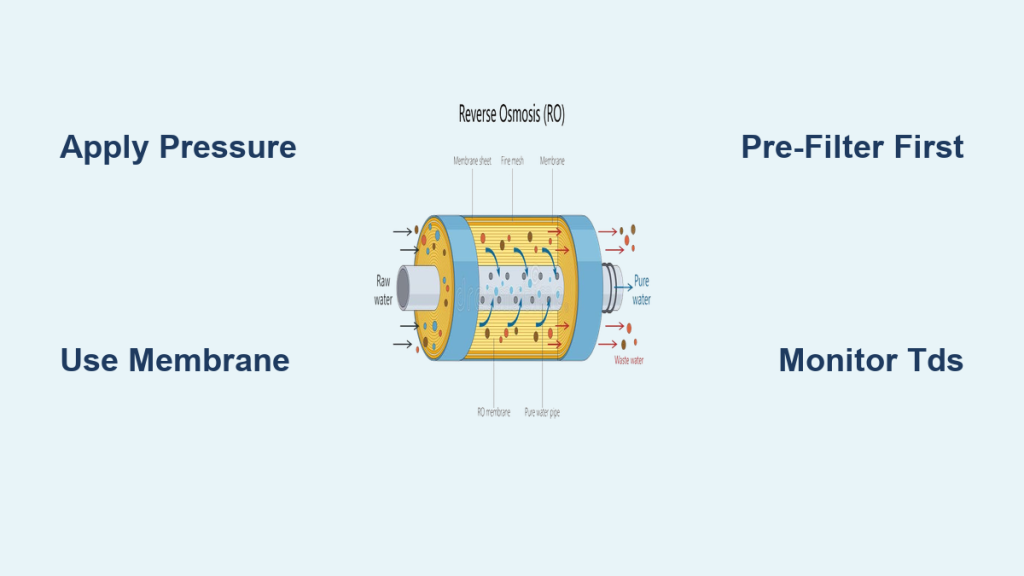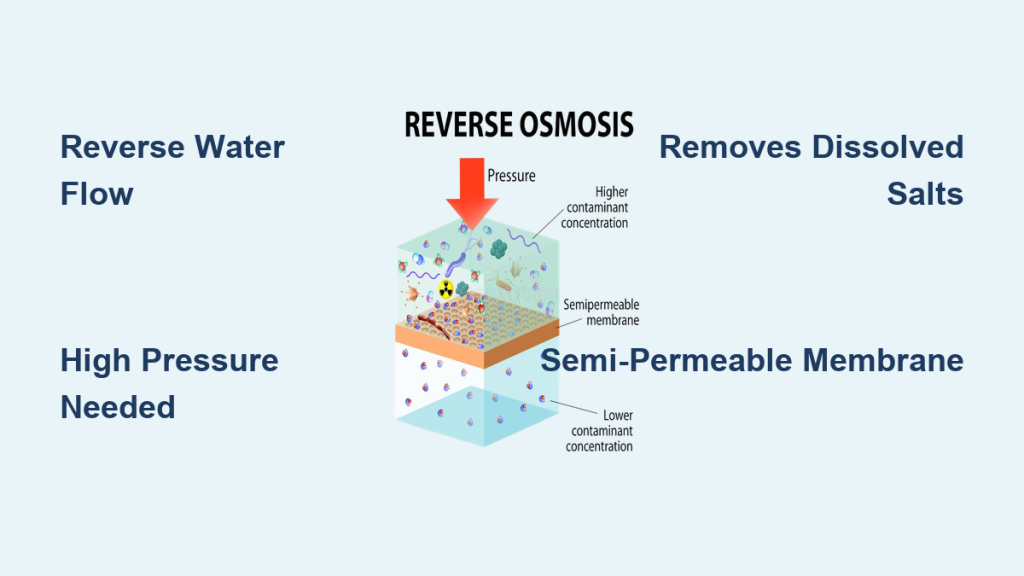
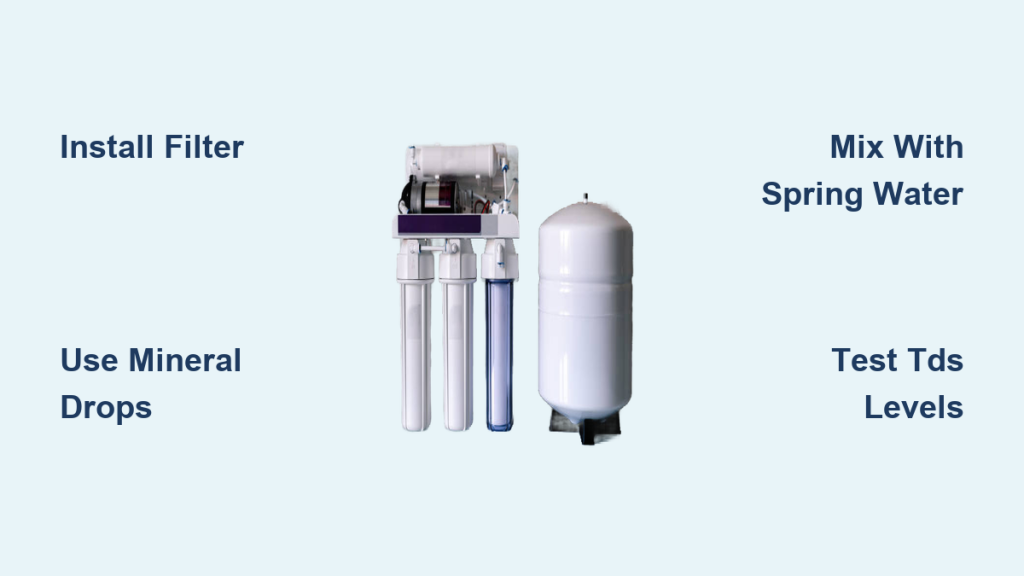
Reverse osmosis (RO) water is among the purest drinking water available, removing up to 99.99% of contaminants like lead, arsenic, fluoride, chlorine, and heavy metals. However, this intensive filtration process also strips away essential minerals including calcium, magnesium, potassium, and sodium, leaving water that tastes flat and may lack nutritional value. The good news? You can remineralize reverse osmosis water using several proven methods that restore these vital nutrients, improve taste, and support better hydration.
This guide covers every effective technique for remineralizing RO water, from inline filter systems to DIY solutions, so you can choose the approach that fits your lifestyle, budget, and health goals.
Install a Remineralization Filter for Consistent Results
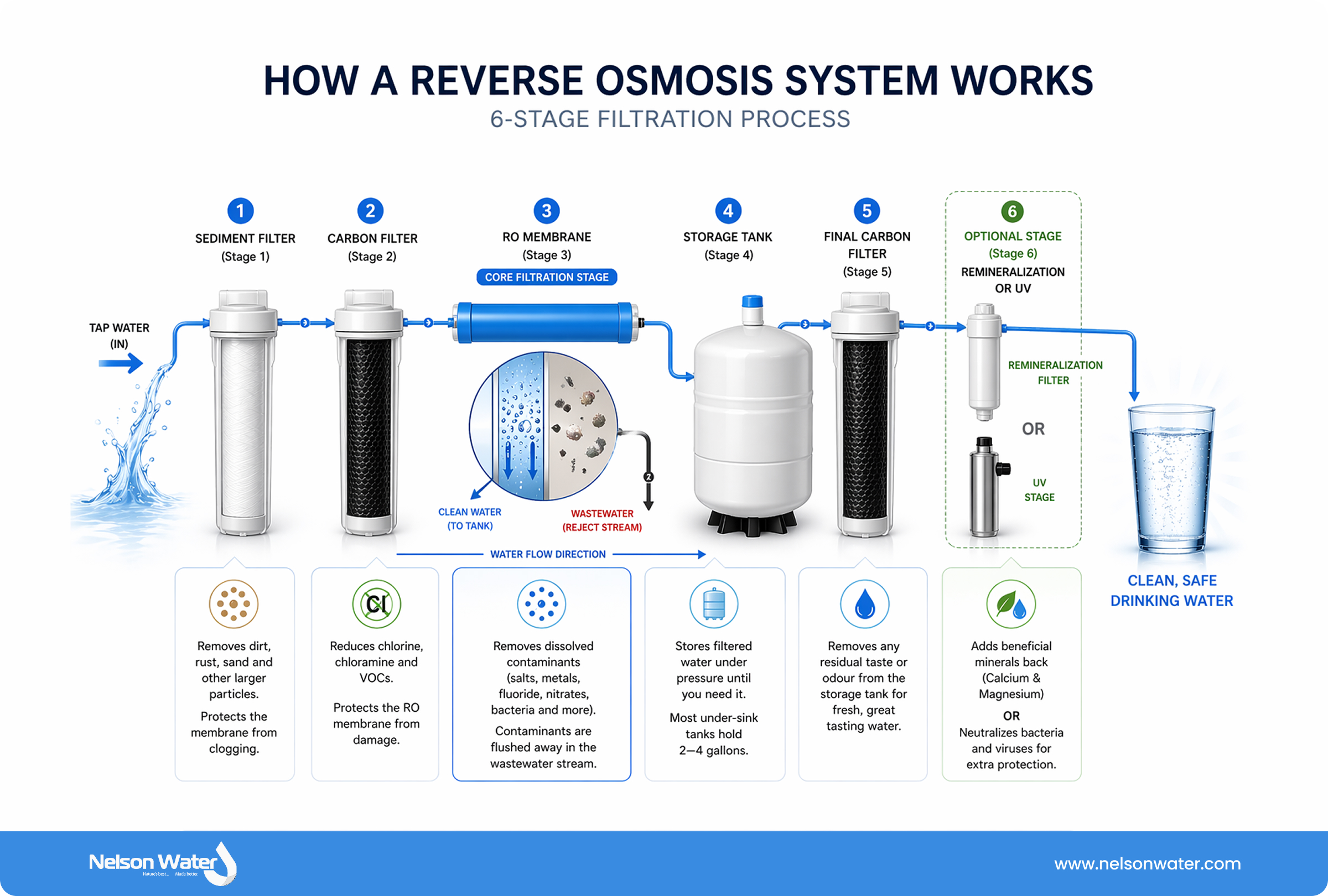
The most effective hands-free method to remineralize reverse osmosis water involves adding a dedicated post-filtration stage to your existing RO system.
How Remineralization Filters Work
After water passes through the RO membrane, it flows through a cartridge containing mineral-rich media such as calcite (calcium carbonate), corosex (magnesium oxide), coral calcium, or maifan stone. These materials slowly dissolve and release essential minerals back into the water while raising pH to a neutral or mildly alkaline range.
Benefits of Filter-Based Systems
• Fully automatic operation requires no daily effort
• Consistent mineral delivery across all dispensed water
• Long filter lifespan of 6 to 12 months or 1,000 to 2,000 gallons
• Raises pH to 7.0 to 8.5 for smoother taste
• Most cost-effective option for high-volume households
Limitations to Consider
• Upfront cost of $100 to $300 for filter and possible installation
• Requires compatible RO setup or minor plumbing modifications
• Not portable once installed
• Slight reduction in water flow rate
Lab testing shows these systems restore calcium to 20 to 40 mg/L and magnesium to 10 to 20 mg/L, comparable to natural spring water.
Best for: Households wanting permanent, reliable, high-volume remineralization.
Add Mineral Drops for Precise Control

Liquid mineral drops offer exact control over mineral content, making them ideal for targeted supplementation and specific health needs.
How to Use Mineral Drops Effectively
Add 5 to 10 drops per 8 ounces (240 mL) of RO water. Follow label instructions carefully, as some brands recommend higher doses for athletes or those needing additional electrolytes. Drops typically contain calcium, magnesium, potassium, sodium, and trace elements like zinc and selenium.
Advantages of Mineral Drops
• Portable and travel-friendly for on-the-go use
• Customizable dosing for individual health needs
• Broad-spectrum trace minerals in one product
• No installation required
• Low initial investment of $15 to $40
Drawbacks to Monitor
• Ongoing expense of $20 to $50 monthly for regular use
• Risk of over-supplementation if not carefully measured
• Taste may turn bitter if overdosed
• Quality varies significantly between brands
• May contain preservatives or artificial ingredients in some products
Choose brands with third-party testing and clear labeling of elemental mineral content per drop.
Best for: Individuals needing electrolyte support, travelers, or those monitoring mineral intake closely.
Use an Alkaline Water Pitcher for Simple Setup
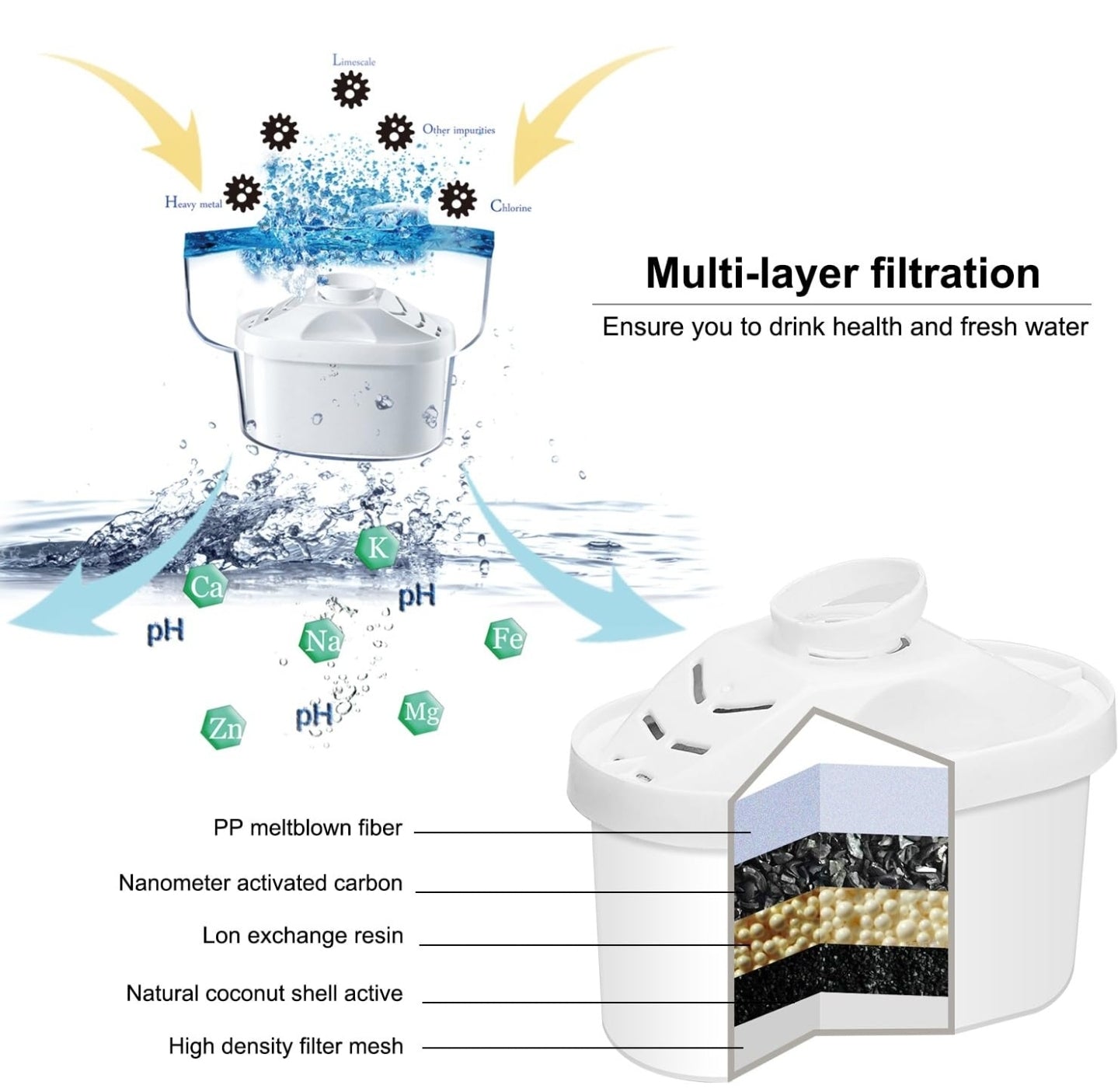
Alkaline pitchers combine carbon filtration with mineral media to improve and remineralize RO water without any plumbing modifications.
How Alkaline Pitchers Function
As water flows through the filter, it contacts calcite, ceramic mineral balls, maifan stone, or corosex blends that slowly release calcium and magnesium while raising pH to 8.0 to 9.5. Pitchers typically hold 1.5 to 3 liters and require filter changes every 1 to 3 months or after 40 to 100 gallons of use.
Pros and Cons at a Glance
Pros:
• No plumbing or electricity needed
• Fits conveniently in refrigerators
• Improves taste and mouthfeel naturally
• Raises pH without chemical additives
Cons:
• Limited batch capacity for large households
• Filters require frequent replacement
• Performance varies widely by brand
• Less efficient when treating already-purified RO water
Look for NSF/ANSI certification to verify pH adjustment and contaminant reduction claims. Recommended brands include Biocera, Pitchron, and Life Berkey Alkaline Filter.
Best for: Light users, renters, or anyone wanting a simple no-install solution.
Mix RO Water with Spring Water Naturally
Blending demineralized RO water with mineral-rich spring water provides a natural, equipment-free approach to boosting mineral content.
Recommended Mixing Ratios
Use a 1:1 ratio (equal parts) for balanced mineral content, or a 2:1 ratio (spring to RO) for higher mineral concentration. Adjust based on taste preference and TDS (Total Dissolved Solids) readings. Aim for a final TDS of 150 to 300 ppm.
Benefits of This Approach
• No additives, devices, or electricity required
• Uses naturally occurring minerals from spring water
• Eco-friendly when using reusable bottles
• Very low cost if accessing refill stations
Limitations to Know
• Requires access to clean, safe spring water
• Difficult to control exact mineral levels precisely
• Bottled spring water increases plastic waste
• Impractical for large families or daily cooking needs
Best for: Occasional use, emergencies, or those preferring all-natural methods.
Try DIY Remineralization Methods at Home
Homemade solutions can work in a pinch but carry significant risks due to poor dosing control and imbalanced mineral ratios.
Pink Himalayan Salt Brine Method
Fill a jar one-quarter full with Pink Himalayan salt, top with RO water, shake well, and let sit 24 hours to form a saturated brine. Add 1 teaspoon of brine per 8 ounces of RO water.
Reality check: This solution contains over 84 trace minerals but is predominantly sodium. One teaspoon of brine contains approximately 2,000 mg of sodium, approaching the full daily recommended limit. To meet daily calcium needs through this method alone, you would need over 30 grams of salt daily, far exceeding the WHO recommendation of 5 grams maximum.
Best for: Taste improvement only. Avoid if you have hypertension, kidney disease, or heart issues.
Baking Soda Addition
Add 1/8 teaspoon of baking soda per gallon of RO water. This raises pH but adds only sodium without calcium or magnesium. This method can cause excessive alkalinity and is unsuitable for sodium-restricted diets.
Best for: Temporary pH adjustment only, not comprehensive remineralization.
Dissolved Supplements Approach
Crush pure calcium citrate or magnesium glycinate tablets and dissolve in RO water. You must calculate elemental mineral content accurately (500 mg calcium carbonate yields approximately 200 mg elemental calcium). Drawbacks include chalky residue, overdose risk, poor taste, and unscalability for family use.
Best for: Emergency or experimental use only.
Warning: DIY methods lack precision and balanced bioavailability. Avoid long-term reliance on these approaches.
Add Lemon Juice for Better Flavor
Fresh lemon juice improves taste and adds trace nutrients, though it is not true remineralization.
How Lemon Juice Helps
Lemon contains small amounts of potassium, calcium, and magnesium while providing vitamin C and antioxidants. Adding 1/2 to 1 teaspoon per cup of RO water encourages higher water intake due to better taste.
Important Cautions
Lemon juice is highly acidic (pH 2 to 3) and can erode tooth enamel with prolonged exposure. It may worsen acid reflux or GERD symptoms. Use a straw, avoid sipping throughout the day, and rinse your mouth with plain water afterward to protect teeth.
Best for: Occasional flavor enhancement, not a primary remineralization strategy.
Understand the Health Benefits of Remineralized Water
Reintroducing minerals to RO water supports both taste and physiological function.
Why Minerals Matter for Your Body
Calcium and magnesium are essential for bone and dental health, muscle contraction, nerve signaling, heart rhythm regulation, blood pressure control, and enzyme activation. Potassium works with sodium to maintain electrolyte balance and supports heart function. Even trace minerals like zinc and selenium serve as cofactors in metabolic pathways.
Hydration Efficiency Improves
Electrolytes enhance cellular water absorption. Studies suggest demineralized water may actually leach minerals from your body, reducing net hydration effectiveness. Remineralized water supports better cellular uptake and overall hydration status.
Taste Enhancement Encourages Drinking More
Minerals like calcium and magnesium give water a crisp, slightly sweet profile. Sodium in small amounts amplifies flavor perception. Better-tasting water leads to higher consumption, supporting kidney function, metabolism, skin health, and cognitive performance.
pH Balance Protects Your System
RO water typically has a pH of 5.0 to 6.5 (slightly acidic). Remineralization brings pH to neutral or mildly alkaline (7.0 to 8.5), which may reduce acid reflux symptoms, support internal acid-base balance, and decrease water corrosiveness that damages plumbing and appliances.
Test and Monitor Your Remineralization Results
Use a TDS meter to verify remineralization success.
Ideal TDS Ranges
• RO water (untreated): 0 to 50 ppm
• Ideal remineralized water: 150 to 300 ppm
• Natural spring water comparison: 200 to 300 ppm
Regular testing ensures consistency and prevents under or over-mineralization. Look for NSF/ANSI certification when purchasing systems to avoid misleading marketing claims.
Choose the Best Method for Your Situation
Your ideal method depends on lifestyle, budget, health conditions, and water usage volume.
For Immediate Natural Boost
Use lemon juice or salt brine for short-term, low-cost taste improvement. Do not rely on these methods daily.
For Precision and Portability
Choose mineral drops with verified elemental content. Ideal for athletes, travelers, or those monitoring intake closely.
For Simple No-Install Use
Try an alkaline pitcher like Biocera or Pitchron. Great for renters or light users.
For Long-Term Hands-Free Performance
Invest in a built-in or add-on remineralization filter. Best value for families and high-volume use. Ensures every glass is balanced, tasty, and healthy.
For Occasional Natural Preference
Mix RO water with spring water at a 1:1 ratio. Use refill stations to reduce environmental waste.
Avoid Long-Term DIY Reliance
DIY methods lack precision and safety. Risk of mineral imbalance, poor taste, or health issues makes them unsuitable for daily use.
Frequently Asked Questions About Remineralizing Reverse Osmosis Water
Does reverse osmosis remove essential minerals?
Yes. The RO process removes up to 99.99% of contaminants, including beneficial minerals like calcium, magnesium, potassium, and sodium, because their molecular size is larger than water molecules but small enough to be blocked by the membrane’s 0.0001 micron pores.
Is remineralized water safe to drink every day?
Remineralized water is generally safe and even beneficial for daily consumption. The World Health Organization notes that long-term consumption of demineralized water may contribute to mineral deficiencies, so reintroducing minerals supports better health outcomes.
What is the best method to remineralize RO water for a family?
For families or high-volume users, an integrated or inline remineralization filter offers the best combination of effectiveness, convenience, and long-term value. It provides consistent mineral levels with minimal maintenance and lowest cost per gallon over time.
Can I use tap water minerals or additives for remineralization?
Tap water minerals are designed for different purposes and may contain unwanted contaminants. Use only products specifically formulated for drinking water remineralization, such as food-grade mineral drops, alkaline pitcher filters, or RO-specific remineralization cartridges.
How long do remineralization filters last?
Inline remineralization filters typically last 6 to 12 months or 1,000 to 2,000 gallons, depending on water quality and usage volume. Alkaline pitcher filters need replacement every 1 to 3 months or after 40 to 100 gallons.
Key Takeaways for Remineralizing Reverse Osmosis Water
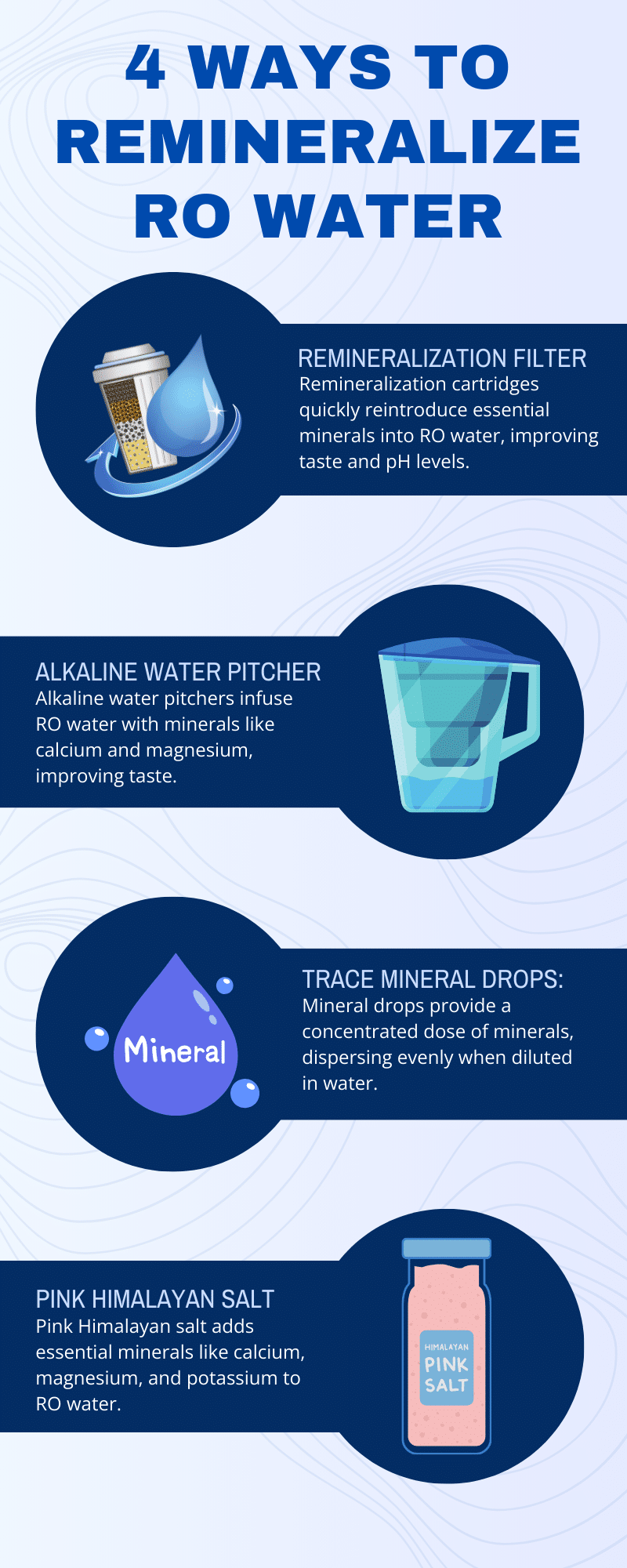
Reverse osmosis water is exceptionally pure and safe, but it lacks essential minerals that support health, taste, and effective hydration. Remineralizing it bridges this nutritional gap using methods ranging from automated filter systems to simple DIY approaches.
The best method depends on your specific situation. For most households, an integrated or inline remineralization filter provides the optimal balance of effectiveness, convenience, and long-term value. For those with smaller needs or rental situations, alkaline pitchers or mineral drops offer practical alternatives. Whatever method you choose, test your water regularly with a TDS meter to ensure consistent mineral content between 150 and 300 ppm for optimal taste and health benefits.