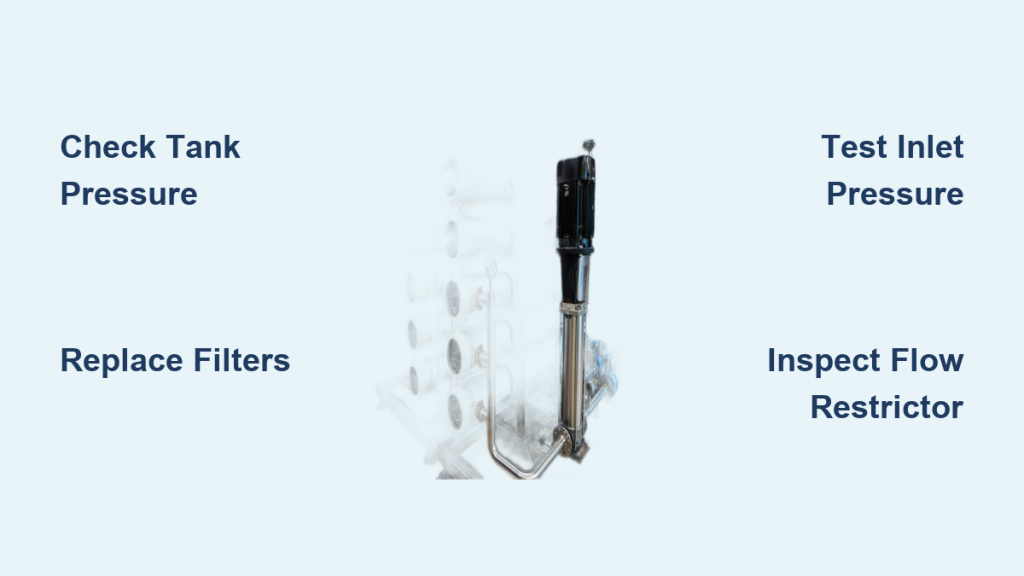

Gritty water in your shower or white spots on clean dishes often signal that your WaterBoss unit has stopped removing calcium and magnesium effectively. These symptoms usually point to a clogged filter, salt bridging, or an electronic glitch that requires immediate WaterBoss water softener repair attention.
You can resolve most common hiccups with simple DIY steps rather than calling for expensive professional service. This guide walks you through diagnosing pressure drops, fixing regeneration errors, and performing annual maintenance to extend your unit life well beyond the standard six-year mark.
Verify Power and Controller Status
The electronic brain of your system manages regeneration cycles and monitors performance using a two-button controller with an LCD display. If this interface is unresponsive, the entire system halts regardless of the condition of your resin bed or salt supply.
Check for Blank LCD Display
A completely dark screen indicates the unit is not receiving power from the outlet.
* Ensure the transformer is plugged into a working electrical outlet.
* Test the outlet with another device to rule out a tripped circuit breaker.
* Inspect the power adapter for signs of damage or overheating.
Reset Electronic Controller
Software glitches often require a simple refresh to clear minor errors and restore function.
* Unplug the unit for 30 seconds then plug it back in to power cycle the system.
* Watch the LCD for the initial boot-up sequence after restoring power.
* Verify the time of day and regeneration schedule have not been accidentally altered.
Diagnose Power Failure Causes
Environmental factors often cause electronic failures in water softener controllers.
* Ensure the unit head is dry since water exposure can short-circuit the controller.
* Recognize that frequent power surges can degrade electronic components over time.
* Consider electronic wear as a plausible cause if your unit is approaching the five-year mark.
Restore Water Pressure Quickly
A sudden drop in water flow throughout your home often triggers panic, but the culprit is frequently the built-in self-cleaning filter. Unlike traditional softeners requiring external sediment filters, the WaterBoss integrates this protection directly into the unit to prevent flow restriction.
Inspect Self-Cleaning Filter
The self-cleaning mechanism flushes debris automatically, yet heavy sediment loads can overwhelm it.
* Locate the filter housing near the inlet by referring to your owner’s manual.
* Look for visible sediment accumulation or discoloration around the filter screen.
* Manually remove and rinse the filter screen under running water if automatic cycles fail.
Check Bypass Valve Position
An partially open bypass valve is a common cause of perceived pressure loss in soft water systems.
* Ensure bypass valve handles are fully aligned with the Service position.
* Check for debris caught in the valve mechanism that prevents full opening.
* Temporarily move the valve to bypass mode to confirm if pressure increases significantly.
Clear Drain Line Blockages
Restricted drain lines can cause water to back up into the softener and reduce overall pressure.
* Check the flexible drain tube for kinks, crushing, or freezing in cold climates.
* Ensure the location where the drain empties is not backed up with water.
* Make sure the air gap at the drain connection is clear to prevent siphoning issues.
Resolve Salt Bridging Problems

Salt bridging occurs when a hard crust forms across the brine tank, creating a hollow space underneath where no brine is made. This issue is one of the most frequent reasons for a WaterBoss water softener repair call because the system thinks it has salt but cannot create the solution needed for regeneration.
Break Up Salt Crusts
Physical intervention is required to dissolve a bridge and restore proper salt dissolving.
* Use a broom handle or similar blunt object to gently tap the sides of the tank.
* Avoid using sharp objects like screwdrivers that could puncture the brine tank.
* Pour a small amount of warm water over the bridge to help soften it safely.
Prevent Future Salt Bridges
Prevention is far easier than curing a stubborn bridge in your water softener brine tank.
* Always use high-purity pellet salt and avoid rock salt or low-grade blends.
* Keep the salt level below the halfway mark to reduce weight and pressure.
* Install the unit in a climate-controlled area since high humidity encourages clumping.
Clean Brine Tank Annually
Annual cleaning prevents salt mushing where salt turns into a sludge at the bottom of the tank.
* Remove all salt and scoop out any remaining sludge or debris from the tank.
* Scrub the inside walls and bottom of the cabinet using mild detergent and water.
* Rinse thoroughly to ensure no soap residue remains before refilling with fresh salt.
Fix Venturi Valve Clogs
The venturi valve creates the suction needed to draw brine from the tank into the resin bed during regeneration. If this small component gets clogged with salt debris or sediment, the system will regenerate with plain water and leave your hard water untreated.
Remove Venturi Assembly
Accessing the venturi requires removing the controller head cover after depressurizing the system.
* Put the system in bypass mode to stop water flow before disassembly.
* Carefully take off the main cover of the control valve according to your manual.
* Locate the venturi nozzle and remove it gently to access internal components.
Clean Nozzle and Screen
Debris often hides in the tiny openings of the venturi and blocks proper suction.
* Place the venturi nozzle and screen in warm water to dissolve salt deposits.
* Use a soft brush or compressed air to clear any remaining particles from the nozzle throat.
* Check the screen for tears or the nozzle for cracks that might reduce suction efficiency.
Reassemble and Test
Proper reassembly is critical for creating the necessary vacuum during the brine draw phase.
* Ensure the venturi and screen are seated correctly since a loose fit prevents brine draw.
* Initiate a manual regeneration cycle to verify the system is drawing brine properly.
* Watch the salt level over the next few days to confirm it is dropping as expected.
Address Hard Water Recurrence
Scale on fixtures, dry skin, or soap that will not lather indicates your system has stopped softening water effectively. You should investigate operational variables that mimic total system failure before assuming the resin is dead.
Verify Regeneration Schedule
The system might simply be set to the wrong frequency for your current household usage.
* Ensure the unit is set to regenerate often enough for your household water usage.
* Confirm the clock is set correctly so regeneration happens during off-peak hours.
* Verify the grain capacity setting matches your local water hardness level accurately.
Test Brine Solution Quality
Cloudy or dirty brine indicates contamination that hinders the ion exchange process significantly.
* Observe that water in the brine tank looks relatively clear during regeneration cycles.
* Ensure you have not accidentally used a salt blend with high insoluble content.
* Confirm there is always some water in the bottom of the brine tank for brine creation.
Evaluate Resin Bed Condition
The resin beads themselves may be exhausted if all maintenance checks out perfectly.
* Note that resin typically lasts over 10 years before beads lose their charge completely.
* Check if high iron content has coated the resin and prevented ion exchange.
* Schedule a professional inspection of the resin bed if the unit is over six years old.
Perform Annual System Cleaning
Proactive maintenance is the best form of WaterBoss water softener repair to prevent minor issues from becoming major failures. An annual deep clean ensures your unit hits its 600,000-gallon capacity target and operates efficiently.
Scrub Brine Cabinet
This is the most critical annual task to remove salt film and sludge buildup.
* Remove all salt and water from the brine tank for a total emptying.
* Scrub the interior with a solution of warm water and mild dish soap thoroughly.
* Optionally use a diluted bleach solution to kill bacteria then rinse thoroughly.
Inspect External Connections
Leaks and wear often develop slowly over time at various connection points on the unit.
* Inspect the bypass valve, drain line connection, and overflow elbow for dripping.
* Gently tighten any loose nuts while being careful not to overtighten plastic fittings.
* Examine hoses for brittleness or cracking especially near connection points.
Validate LCD Functions
Your monitoring tools must be accurate to ensure proper system operation and tracking.
* Press both controller buttons to ensure they respond instantly to your commands.
* Review regeneration history if your model stores data to ensure cycles complete successfully.
* Adjust any settings if your household water usage patterns have changed significantly.
Select Correct Salt Types
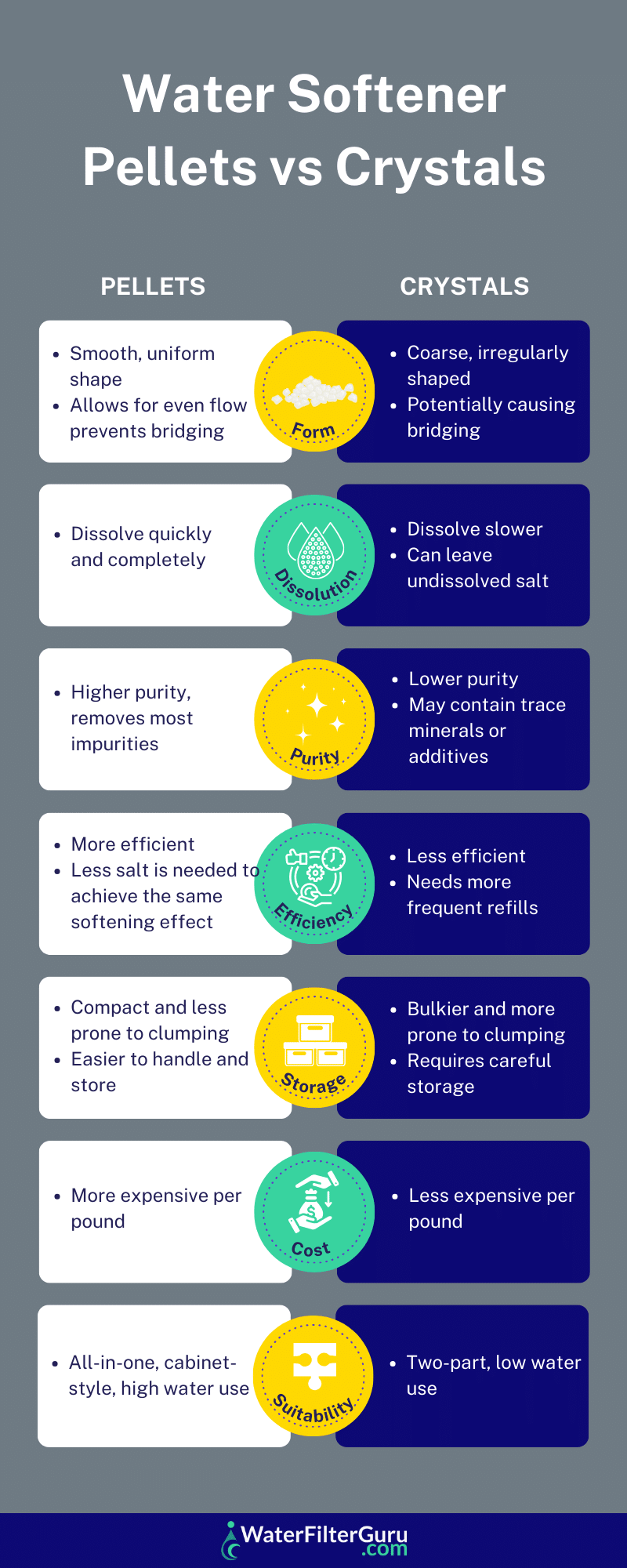
Using the wrong fuel for your softener is a leading cause of repair needs and system inefficiency. The type of salt you use directly impacts the frequency of bridging, mushing, and valve clogs within the unit.
Use High-Purity Pellets
This is the gold standard for WaterBoss systems to ensure clean dissolving and minimal residue.
* High-purity pellets dissolve cleanly leaving minimal residue behind in the tank.
* The pellet shape allows for consistent packing and dissolving to reduce bridging.
* Less debris means less wear on the venturi valve and resin bed over time.
Avoid Rock and Low-Grade Salts
Cheaper alternatives often cost more in repairs than they save in initial purchase price.
* Rock salt contains significant amounts of insoluble material that settles as sludge.
* Low-grade blends are more prone to forming hard bridges due to inconsistent crystals.
* Gritty debris from poor-quality salt can scratch valves and clog the self-cleaning filter.
Consider Solar Salt Options
Solar salt is an acceptable alternative if it meets high-quality standards for water softeners.
* Ensure the solar salt is labeled as high-quality and intended specifically for water softeners.
* Verify crystals are free of excessive dust before adding them to your brine tank.
* Monitor your brine tank slightly more frequently for mushing if switching to solar salt.
Diagnose Electronic Malfunctions
When the LCD fails or the system ignores commands, the issue is likely electrical in nature. While mechanical parts are robust, the electronic controller is sensitive to power issues and moisture intrusion.
Test Transformer Output
The transformer converts household voltage to the low voltage needed by the controller unit.
* Use a multimeter to verify the transformer is outputting the correct DC voltage.
* Check if the transformer is hot to the touch as this may indicate failure.
* Replace the transformer if it is dead since it is available through technical support.
Inspect Controller Board
The board itself may be at fault if power is good but the unit behaves erratically.
* Look for corrosion or water stains on the circuit board indicating water damage.
* Note any specific error codes on the LCD and cross-reference them with the manual.
* Replace the membrane switch if buttons are unresponsive despite a working screen.
Secure Power Connections
Loose wires can cause intermittent failures that are hard to diagnose without careful inspection.
* Ensure the wire harness connecting the motor and sensor to the board is fully seated.
* Check for any pinched or frayed wires especially where the power cord enters the unit.
* Ensure the unit is properly grounded to prevent static interference with the electronics.
Decide Repair Versus Replacement

Not every issue warrants a repair, and understanding when to fix or replace saves money. You should weigh the age of the system, the nature of the fault, and your current household demands carefully.
When to Repair
Fixing the unit makes sense when the core components are still viable and under warranty.
* Repairs are often cost-effective or free if you are within the 5-year comprehensive warranty.
* Issues like a bad transformer, clogged venturi, or cracked drain line are inexpensive fixes.
* A repair extends life significantly if the unit is under 10 years old and resin is active.
When to Replace
Replacement is the smarter financial choice when the system is obsolete or exhausted completely.
* The resin bed is likely exhausted if the unit is over 10 years old and other parts are near failure.
* Your current 38,000-grain unit may be undersized if your family has grown recently.
* Cumulative repair costs exceed a new unit if you are constantly repairing different parts.
Access Technical Support Resources
When DIY steps do not resolve the issue, WaterBoss provides structured support channels for complex WaterBoss water softener repair tasks. Direct access to experts can speed up diagnosis and ensure you use genuine parts.
Contact Support Team
Direct access to experts can speed up diagnosis and provide immediate assistance for your unit.
* Call 1-800-437-8993 toll-free for immediate assistance from the support team.
* Send documents or detailed diagrams to 614-836-5349 via fax if requested by staff.
* Send correspondence to 4343 S Hamilton Rd, Groveport, OH 43125 for corporate inquiries.
Locate Parts and Manuals
Having the right documentation is half the battle when attempting any repair or maintenance.
* The Owner’s Manual contains detailed parts lists, replacement numbers, and schematic drawings.
* Downloadable technical drawings require Adobe PDF Reader and show four major assemblies.
* Order replacement parts directly through the Technical Support Department to ensure compatibility.
Understand Warranty Limits
Know what is covered before requesting service to avoid unexpected costs or denied claims.
* The 5-year coverage protects against defects in manufacturing and materials for the whole appliance.
* The 10-year coverage specifically protects the brine cabinet and resin tank components.
* Be aware that labor costs and media replacement are typically excluded from warranty coverage.
Frequently Asked Questions About WaterBoss Water Softener Repair
How often should I clean my WaterBoss brine tank?
You should clean the brine tank once a year to remove salt residue and prevent mushing. This annual task involves emptying the tank, scrubbing the interior with mild detergent, and rinsing thoroughly before refilling.
Why is my WaterBoss not using any salt?
Salt bridging is the most common cause where a hard crust forms over the water preventing dissolving. You can fix this by gently breaking the crust with a blunt object and ensuring you use high-purity pellet salt.
What type of salt is best for WaterBoss systems?
High-purity pellet salt is the recommended type because it dissolves cleanly with minimal residue. You should avoid rock salt and low-grade blends as they cause bridging and can damage the venturi valve.
How do I know if my WaterBoss resin bed is bad?
Signs include persistent hard water symptoms like scale buildup despite correct settings and maintenance. If your unit is over 10 years old, the resin bed is likely exhausted and may require professional replacement.
Can I repair my WaterBoss controller myself?
You can troubleshoot power issues by checking the transformer and resetting the unit. However, internal board repairs should be handled by technical support to avoid voiding your warranty or causing further damage.
Key Takeaways for WaterBoss Water Softener Repair Success
Regular maintenance and prompt troubleshooting are essential for keeping your WaterBoss system running efficiently for years. By addressing salt bridging, cleaning the venturi valve, and verifying power settings, you can solve most common issues without professional help.
Stick to high-purity pellet salt and perform annual tank cleanings to prevent the majority of repair scenarios. If problems persist beyond basic troubleshooting, contact WaterBoss technical support at 1-800-437-8993 for expert guidance and genuine parts.