
Chalky residue on faucets, dry skin after showers, and premature water heater failure often point to one hidden culprit: hard water. A water softener system removes the calcium and magnesium causing these issues, transforming your home water quality from problematic to pristine.
With 85% of U.S. homes affected by hard water, installing a unit is a smart long-term investment. This guide details how soft water protects plumbing, cuts utility bills, enhances skin health, and slashes cleaning time for your household.
Prevents Scale Buildup in Pipes

Hard water leaves behind limescale whenever it heats or evaporates inside your plumbing. This chalky deposit accumulates on pipe walls, gradually narrowing the interior diameter and restricting flow. Soft water eliminates the source of scale, keeping your plumbing clear and functional for decades.
Recognize Early Signs of Scaling
Watch for reduced water pressure, sputtering faucets, or visible white crust around showerheads. These are early warnings of internal buildup that require immediate attention. Catching the issue early with a water softener prevents costly pipe replacements down the line.
How Ion Exchange Stops Scaling
Water softeners use ion exchange resin to trap calcium and magnesium ions as water passes through. The system swaps these minerals for sodium or potassium ions, producing soft water that cannot form scale. The unit regenerates automatically using brine to ensure continuous protection.
Extends Appliance Lifespan

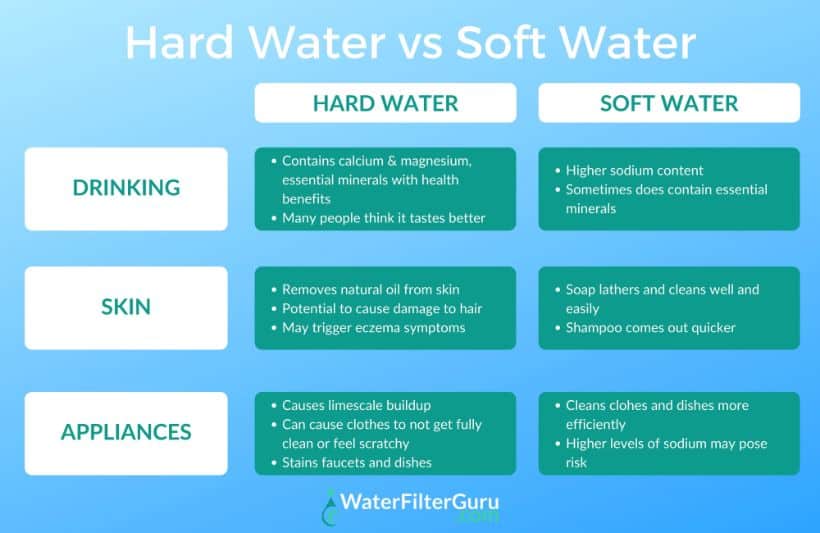
Scale does not just clog pipes, it actively destroys water-using appliances over time. Heating elements in water heaters, dishwashers, and washing machines become coated with mineral deposits, forcing them to work harder and fail faster. Soft water prevents this damage, letting appliances run efficiently and last longer.
Water Heaters Last 2–3x Longer
Studies show water heaters using hard water lose up to 48% of their efficiency in just five years. With soft water, they maintain peak performance and often last 12 to 15 years instead of failing at 5 to 7 years. This extension provides years of reliable hot water without premature replacement costs.
Dishwashers and Washing Machines Run Cleaner
Minerals clog spray arms, filters, and inlet valves in dishwashers and washing machines quickly. Soft water keeps these components free of buildup, improving cleaning performance and reducing mechanical strain on motors. Users report fewer service calls and significantly longer intervals between repairs.
Cuts Energy and Utility Bills
When scale coats a water heater element, it acts like insulation and forces the unit to burn more fuel. This inefficiency drives up energy bills significantly while reducing heating speed. Soft water prevents scale, allowing instant heat transfer and reducing energy consumption by up to 29%.
Save on Water Heating Costs
Water heating accounts for about 18% of average home energy use according to the Department of Energy. By maintaining optimal efficiency, soft water can save homeowners $100 to $200 annually on gas or electricity bills. These savings help pay back part of the softener cost each year.
Reduce Pump Strain in Well Systems
For homes with private wells, scale buildup increases resistance in pipes and makes well pumps work harder. Soft water maintains smooth flow, reducing wear on the pump motor and extending its operational life. This represents another hidden cost saving for rural homeowners.
Uses Less Soap and Detergent
Hard water reacts with soap to create a sticky film called soap scum instead of rich lather. This reaction means you need more soap, shampoo, detergent, and cleaner to get the same results. Soft water eliminates this chemical interference, boosting cleaning power with less product.
Laundry Needs Half the Detergent
With soft water, detergent dissolves completely and lathers easily even in cold water cycles. Most users cut detergent use by 50%, saving money and reducing environmental impact simultaneously. Plus, clothes come out brighter, softer, and without the stiffness caused by mineral deposits.
Fewer Cleaning Products Required
All-purpose cleaners, dish soaps, and body washes work better in soft water environments. You will use less per task and see better results without excessive scrubbing. No more scrubbing soap scum off tiles or rewashing grimy dishes since soft water does the heavy lifting.
Improves Skin and Hair Health

Hard water leaves a film of soap scum and minerals on your skin, clogging pores and stripping natural oils. This leads to dryness, irritation, and flare-ups in sensitive individuals. Soft water rinses cleanly, preserving your skin moisture barrier and reducing dermatological issues.
Soothes Eczema and Sensitive Skin
Clinical studies show hard water worsens eczema symptoms, especially in children and sensitive adults. Soft water reduces inflammation and itching by preventing mineral buildup on the skin surface. Many users report fewer rashes and less reliance on moisturizers and medicated creams.
Makes Hair Shinier and More Manageable
Mineral deposits from hard water make hair feel dull, brittle, and hard to style properly. Soft water allows shampoos to lather fully and rinse cleanly, leaving hair smooth and hydrated. Color-treated hair retains vibrancy longer, and scalp conditions like dandruff improve due to better cleansing.
Keeps Fixtures and Surfaces Spot-Free

Hard water leaves behind white spots on glassware, soap scum in showers, and crusty buildup on faucets. These deposits require frequent scrubbing with harsh chemicals to remove effectively. Soft water prevents them entirely, so surfaces stay clean with minimal effort.
Dishes Come Out Crystal Clear
You will no longer see cloudy glasses or spotted silverware after washing. Soft water ensures dishes dry spot-free, eliminating the need for rinse aids or hand-drying. Dishwasher interiors stay cleaner too, reducing maintenance needs and preventing foul odors.
Showers Wipe Clean in Seconds
With soft water, shower doors and tiles do not develop the rainbow-hued film or chalky crust common in hard water homes. A quick wipe with a squeegee or cloth is all it takes to maintain cleanliness. You can say goodbye to scrubbing and vinegar soaks.
Saves Time on Household Cleaning
The average American spends nearly 6 hours per week cleaning their home environment. Much of that time goes toward battling hard water stains and mineral deposits. A water softener cuts cleaning time dramatically by removing the root cause of scale and soap scum.
Reduce Scrubbing by 70%
Homeowners consistently report cutting cleaning time in half after installing a softener system. Faucets, sinks, and bathtubs stay pristine with minimal effort. Toilet bowls resist staining, and even outdoor fixtures stay cleaner longer when hard water is not constantly depositing minerals.
Eliminate Descaling Appliances
Coffee makers, kettles, and steam irons require regular descaling in hard water areas to function. With soft water, these devices rarely need maintenance or chemical treatments. You will no longer need to run vinegar cycles or buy commercial descalers.
Preserves Clothing and Linens

Hard water minerals embed in fabric fibers, causing colors to fade and whites to turn gray over time. Towels feel stiff, and abrasion weakens textiles, leading to holes and early replacement needs. Soft water protects your laundry investment significantly.
Clothes Stay Softer and Brighter
Without mineral buildup, fabrics retain their original softness and color vibrancy. Towels stay absorbent, sheets feel luxurious, and dark clothes resist fading wash after wash. Many users stop using fabric softeners entirely because soft water does the job naturally.
Extend Garment Life by Years
Clothing washed in soft water lasts significantly longer than items washed in hard water. Fewer wash cycles are needed to remove mineral residue, and fibers suffer less wear during agitation. This means fewer replacements and lower long-term clothing costs for your family.
Enhances Water Pressure and Flow
Scale clogs not only pipes but also the tiny openings in showerheads and faucet aerators. This reduces water pressure, making showers weak and tasks like rinsing dishes frustrating. Soft water keeps these components clear for optimal performance.
Restore Strong Shower Pressure
After installing a softener, many users notice an immediate improvement in shower strength. Existing buildup may still need cleaning, but new deposits will not form. This ensures consistent, high-pressure flow for years to come.
Protect Sensitive Devices
Devices like humidifiers, steam mops, and irrigation systems rely on unobstructed water flow. Soft water prevents clogs in their fine nozzles, maintaining performance and reducing maintenance needs. Your specialized equipment will function as designed for longer periods.
Reduces Environmental Impact
While traditional salt-based softeners produce some brine waste, modern systems are more efficient than ever. The environmental benefits of soft water often outweigh the drawbacks, especially regarding chemical and energy reduction.
Less Detergent Enters Wastewater
Using half the soap and detergent means half the phosphates and surfactants flow into septic systems. This reduction protects aquatic ecosystems and lowers the chemical load on wastewater treatment facilities. Your household becomes more eco-friendly instantly.
Lower Carbon Footprint
Efficient water heaters and appliances consume less energy, reducing greenhouse gas emissions. Extending the life of plumbing and appliances also cuts down on manufacturing waste and landfill contributions. You save money while helping the planet.
Fewer Plastic Bottles Used
Hard water often tastes metallic or chalky, pushing families to buy bottled water frequently. Soft water improves taste, encouraging tap water use and reducing single-use plastic consumption. This simple switch reduces plastic waste significantly.
Lowers Long-Term Home Maintenance Costs
While a water softener costs $1,500 or more upfront, it pays for itself over time. The savings come from avoided repairs, extended appliance life, lower utility bills, and reduced spending on cleaning products.
Calculate Your Return on Investment
Replacing a water heater early costs $1,200, while fixing clogged pipes can exceed $1,000. Adding extra detergent costs and energy savings, most systems pay back within 3 to 5 years. The math clearly favors installation in hard water areas.
Increase Property Value
Homes with water softeners appeal to buyers in hard water regions. Real estate agents report faster sales and higher perceived value when soft water systems are installed. This is especially true in the Southwest and Midwest where hardness is common.
Choose the Right System for Your Home
Not all softeners are the same, so selecting the right one matters. Salt-based ion exchange systems offer the most complete softening, while salt-free conditioners prevent scale without removing minerals. Your choice depends on water hardness, budget, and environmental concerns.
Test Water Hardness First
Check your water report or use a home test kit to measure hardness levels. If hardness exceeds 7 GPG, consider softening your water supply. At 10+ GPG, a softener is strongly recommended, especially if you see scaling or appliance issues.
Understand Maintenance Needs
Salt-based systems require monthly salt refills and occasional brine tank cleaning. Resin lasts 10 to 15 years before replacement is needed. Salt-free systems need little upkeep but do not improve soap lathering or skin benefits.
Consider Sodium Content
Ion exchange adds sodium to water, though the amount is usually negligible for most people. Those on strict low-sodium diets can use potassium chloride or install a bypass tap for drinking water. This ensures safety while providing soft water for cleaning.
Frequently Asked Questions About Water Softener Systems
How much does a water softener system cost?
Average system costs range from $1,500 upward, including equipment and professional installation. Operating costs include salt purchases and minor increases in water and electricity usage for regeneration cycles.
Do water softeners add too much sodium to drinking water?
The added sodium is comparable to three slices of bread per day for a household. People on strict low-sodium diets can use potassium chloride instead or install a separate unsoftened tap for drinking.
How often do I need to refill the salt tank?
Most homeowners refill the salt tank once a month, depending on household water usage. Modern metered systems optimize salt usage, potentially reducing refill frequency compared to older time-based models.
Can a water softener fix low water pressure?
Yes, by preventing scale buildup in pipes and aerators, soft water restores strong flow. While it clears existing blockages slowly, it stops new deposits from forming and worsening pressure issues.
How long does a water softener system last?
With proper maintenance, salt-based systems typically function effectively for 10 to 15 years. The resin bed may need replacement toward the end of this period to maintain peak performance.
Do I need a water softener if I have a private well?
Private wells often have higher hardness levels than municipal supplies due to soil contact. Testing your water is essential, but many well owners benefit significantly from softening to protect pumps and plumbing.
Key Takeaways for Maximizing Water Softener System Benefits
Installing a water softener system protects your home infrastructure while improving daily life quality. You save money on energy bills and appliance repairs while enjoying softer skin and cleaner clothes. The initial investment pays off through long-term savings and reduced maintenance labor.
Start by testing your water hardness to confirm the need for treatment. If levels exceed 7 GPG, consider a softener to prevent scale damage and enjoy the many benefits of soft water throughout your home.