
Hard water spots on dishes and dry skin often return when your Culligan system stops regenerating properly. Most homeowners face this frustration due to simple salt issues like bridging or mushing that block the cleaning process.
This guide helps you diagnose these problems quickly using proven Culligan water softener troubleshooting steps. You will learn to fix salt tank errors, clear regeneration blocks, and restore soft water flow without calling a professional.
Decode Warning Signs of System Failure
Recognizing early symptoms prevents long-term damage and costly repairs to your home plumbing. Your Culligan unit gives clear physical clues when it stops removing calcium and magnesium effectively.
Hard Water Returns Suddenly
Soap fails to lather and faucets develop new white scale when resin beads become saturated. This sudden change usually points to low salt levels or a complete regeneration failure. Check your salt levels immediately before investigating other causes.
Standing Water in Brine Tank
A small amount of water at the bottom is normal but high levels indicate a blockage. The water level should drop significantly during the regeneration cycle if the system works. High water suggests a clogged line or stuck float valve preventing drainage.
Low Water Pressure at Faucets
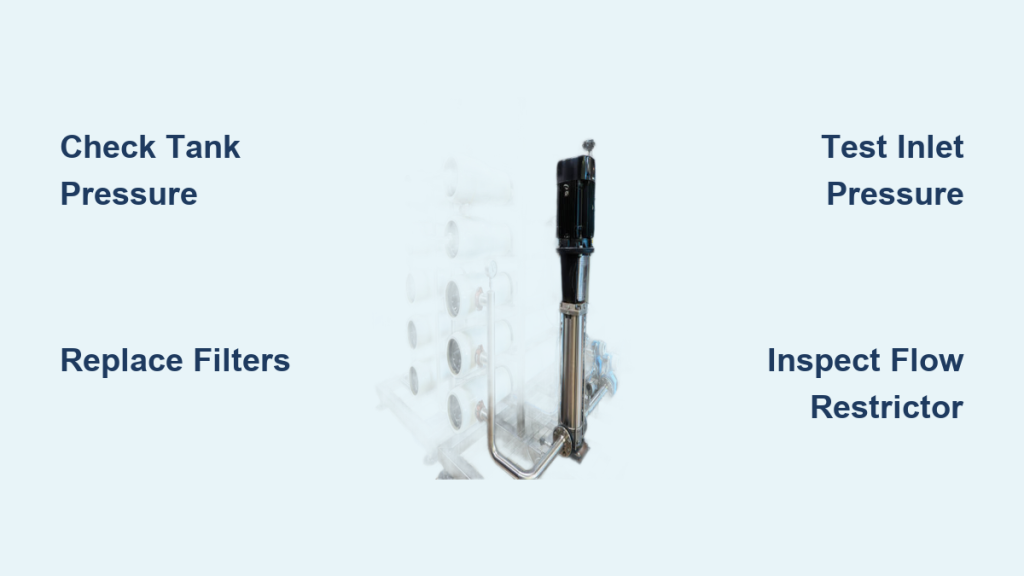
Reduced flow throughout your house often means the resin tank is clogged with sediment. You might also have a blocked inlet filter or a kinked drain line restricting movement. Compare pressure before and after the unit to locate the restriction.
Discolored or Cloudy Water
Tinted water suggests resin bead breakdown or bacterial growth inside the tank. Older systems over ten years often shed particles that turn water cloudy or brown. Flush the system first but inspect the resin bed if discoloration persists.
Error Codes or Clock Resetting
Digital models display specific codes for power loss or flow meter failures. If your clock resets after every outage the backup battery likely needs replacement. Persistent errors require checking wiring connections or contacting support.
Fix Salt Tank Problems Immediately

Salt issues cause the majority of Culligan softener failures and are easy to diagnose. Addressing these first often solves the problem without needing any tools or professional help.
Break Salt Bridges Safely
Salt bridging occurs when a hard crust forms over the water creating a hollow cavity below. This prevents salt from dissolving into the water which stops brine production entirely.
- Turn off the system or set the valve to bypass mode.
- Gently tap the salt surface with a wooden broom handle.
- Break the crust carefully without scratching the plastic tank walls.
- Remove large chunks and add fresh salt to the water.
Pro Tip: Use solar salt or pellets to reduce bridging risk compared to rock salt.
Remove Salt Mushing Sludge
Mushing creates a thick sludge at the bottom that blocks the brine intake valve completely. This gel-like mass prevents the system from drawing the solution needed for regeneration.
- Shut off the water supply and place the unit in bypass.
- Remove all remaining salt and brine water from the tank.
- Scoop out the sludge using a plastic container or cup.
- Scrub the interior with mild soap and water then rinse thoroughly.
- Refill with clean water and fresh high-quality salt pellets.
Refill Before Salt Runs Out
Keep your salt level at least one-third full and always above the water line. Most households need refills every two to four months depending on usage.
- Avoid filling past six inches below the tank rim to prevent issues.
- Choose pellet or solar crystals for high-efficiency Culligan models.
- Skip fast-dissolving salts as they increase mushing and leave residue.
Troubleshoot Regeneration Failures
The regeneration cycle recharges resin beads with brine to remove hardness minerals. If this process fails your water remains hard despite having salt in the tank.
System Won’t Regenerate
Power outages or incorrect time settings often stop the cycle from starting. A disconnected flow meter or stuck control valve can also prevent initiation.
- Confirm the unit is plugged into a working electrical outlet.
- Test the outlet with another device to ensure power delivery.
- Reset the time and date on the control head display.
- Listen for humming sounds during the scheduled regeneration window.
Manually Start Regeneration
Initiating a manual cycle helps test functionality and clears minor hiccups in the system. This diagnostic step confirms if the mechanical parts are moving water correctly.
- Press and hold the Regen or Reset button on your specific model.
- Wait for the system to enter the backwash phase with flowing water.
- Watch the brine tank water level drop about one inch in ten minutes.
No drop? Your brine draw system is blocked and needs cleaning.
Fix Incomplete Regeneration
Cycles that start but do not finish leave resin beads partially charged and ineffective. Common triggers include clogged injectors or float valves stuck in the wrong position.
- Stops at brine draw: Check salt levels and clean the injector screen.
- Stops at rinse: Inspect the control valve for mechanical obstruction.
- Stalls early: Look for power interruptions or timer faults.
Resolve Low Water Pressure Issues
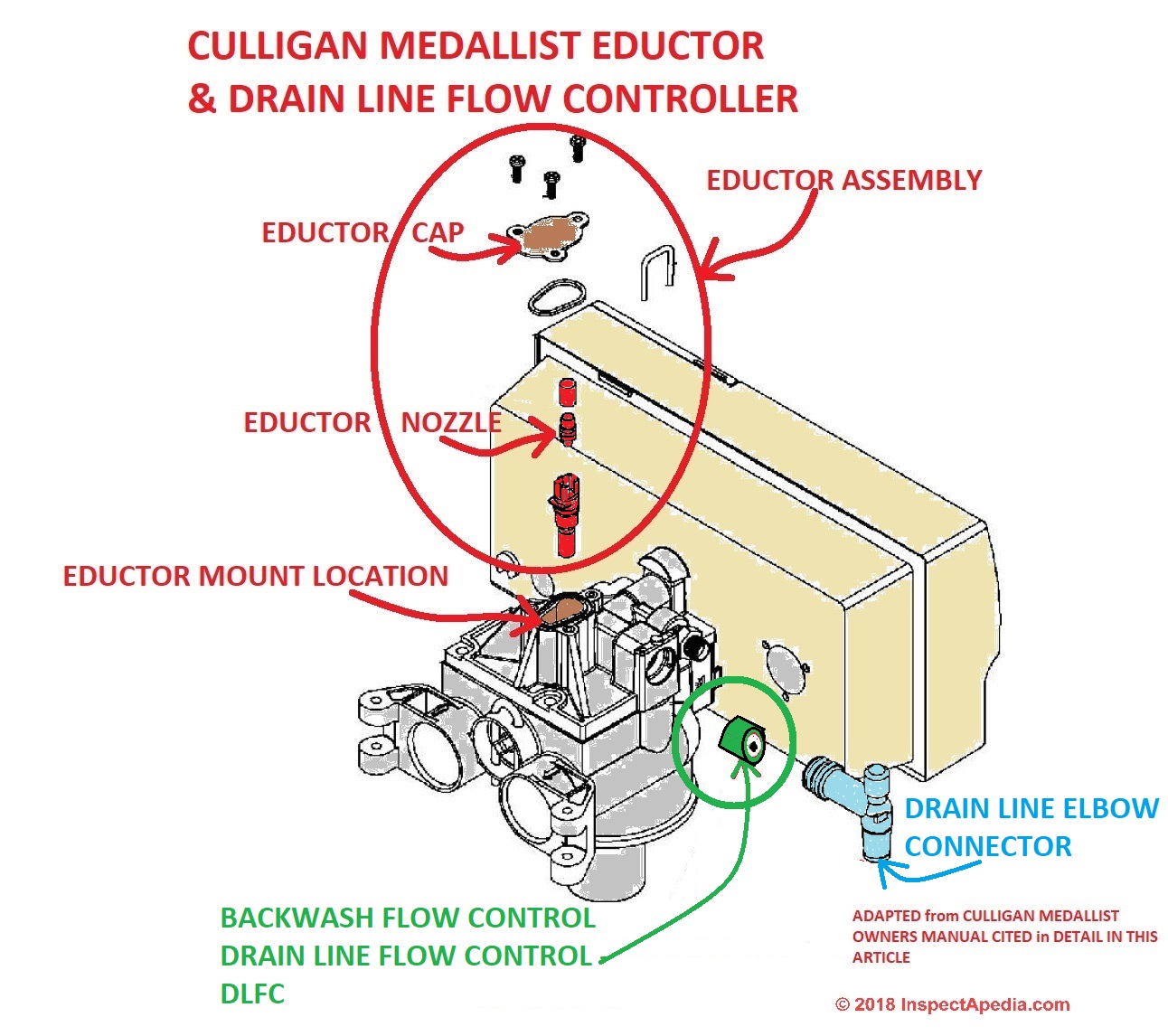
Sudden pressure drops affect showers and appliances throughout your entire home. Tracing the source quickly restores normal flow and prevents further complications.
Check Bypass Valve Position
Ensure the bypass valve is fully engaged for soft water mode and not partially open. A misaligned bypass cuts flow significantly and mimics a clog.
- Aquasential models: Turn the blue knob clockwise for service.
- Older models: Ensure the handle aligns inline with the pipes.
Inspect Inlet Filters and Screens
Debris blocks water entry and causes significant pressure loss at the faucet. Cleaning these screens is a quick fix for many flow issues.
- Shut off the main water supply to the softener unit.
- Locate the inlet valve or pre-filter housing on the system.
- Remove the screen or cartridge and rinse under running tap water.
- Replace the component if it shows signs of damage or wear.
Clear Clogged Drain Lines
Kinks or obstructions in the drain line stop the regeneration cycle completely. Ensure the line is not looped or crushed behind the unit.
- Blow air backward through the line to clear minor blockages.
- Verify the drain height does not exceed eight feet for proper siphoning.
- Flush the line with water if air blowing does not clear the obstruction.
Test for Resin Bed Clogging
Iron and sediment accumulation can compact the resin bed and restrict water flow. This often happens in homes with well water or high iron content.
Use a resin cleaner every six to twelve months if iron levels exceed one ppm. This chemical treatment dissolves buildup and restores flow rates effectively.
Diagnose Mechanical Failures
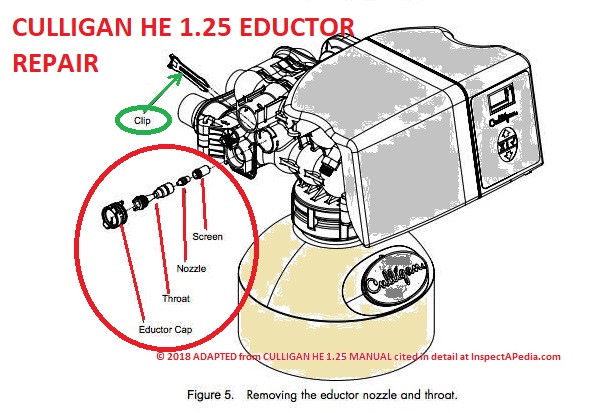
Internal components wear out over time and cause leaks or total system failure. Identifying failing parts early saves money compared to full unit replacement.
Unclog Brine Injector and Screen
The venturi injector creates suction to pull brine and mineral buildup kills performance. Cleaning this small part annually prevents most brine draw issues.
- Shut off power and water to the softener unit completely.
- Locate the injector assembly near the control valve head.
- Remove the screen and soak it in white vinegar for thirty minutes.
- Use a soft brush to clear the injector throat of debris.
- Reassemble the parts and run a test regeneration cycle.
Adjust or Replace Float Assembly
The float controls water levels in the brine tank and prevents overflow. A stuck float causes the tank to overfill or fail to fill with water.
- Remove the cap and lift the float arm to check movement.
- Bend the metal tab slightly to raise or lower the cutoff point.
- Replace the assembly if the float is cracked or waterlogged.
Replace Worn Seals and Gaskets
Leaking connections often stem from degraded O-rings and rubber gaskets. These parts dry out and crack after years of exposure to salt and water.
- Inspect the control valve gasket and bypass valve seals regularly.
- Lubricate new seals with silicone grease instead of Teflon tape.
- Replace drain line fittings if they show signs of corrosion or leaks.
Prevent Future Problems with Maintenance
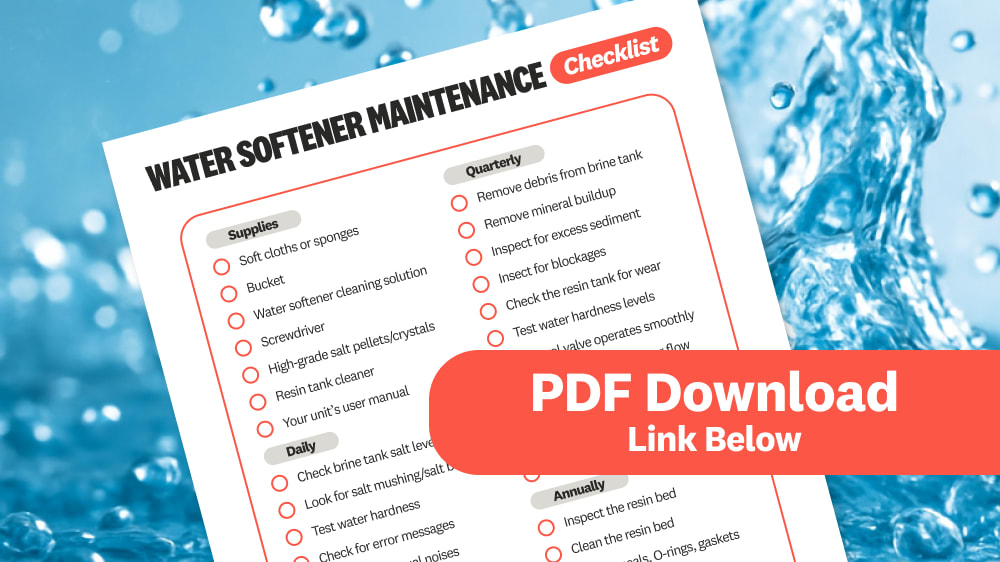
Prevention beats repair and keeps your Culligan system running smoothly for years. Follow this schedule to avoid common failures and extend unit life.
Monthly Tasks
- Check salt levels and add more if below one-third full.
- Verify time and settings on the digital display are correct.
- Look for leaks or standing water around the base of the unit.
Every 6 Months
- Clean the inlet filter and inspect the drain hose for kinks.
- Run a resin cleaner treatment if you have iron in your water.
- Test water hardness to ensure the system is softening effectively.
Annually
- Clean the brine injector and screen to maintain suction power.
- Sanitize the system especially if you use private well water.
- Inspect all seals and gaskets for signs of wear or cracking.
Every 2–3 Years
- Deep clean the brine tank to remove sludge and sediment.
- Replace the backup battery in the control head display.
- Consider professional inspection for older units over ten years.
Sanitizing Procedure: Add half a cup of household bleach to the brine tank then manually regenerate. Flush the system for ten minutes after the cycle ends.
Know When to Replace Not Repair
Even well-maintained softeners age out and become inefficient to operate. Do not waste money fixing a dying unit when replacement offers better value.
Replace If:
- The unit is over fifteen years old and requires frequent repairs.
- Resin beads are breaking down and turning water cloudy.
- Control head or circuit board fails multiple times in one year.
- Repair costs exceed three hundred dollars for a single issue.
Note: Resin lasts ten to fifteen years. After that efficiency drops permanently.
Upgrade Benefits
New Culligan models offer significant improvements in efficiency and monitoring capabilities. You will save on utilities and avoid surprise breakdowns with modern technology.
- 46% less salt and water usage with high-efficiency models.
- App monitoring via Culligan Connect for remote control.
- Leak detection features that protect your home from damage.
- Auto-adjusting regeneration based on actual water usage.
Model-Specific Tips & Pro Advice
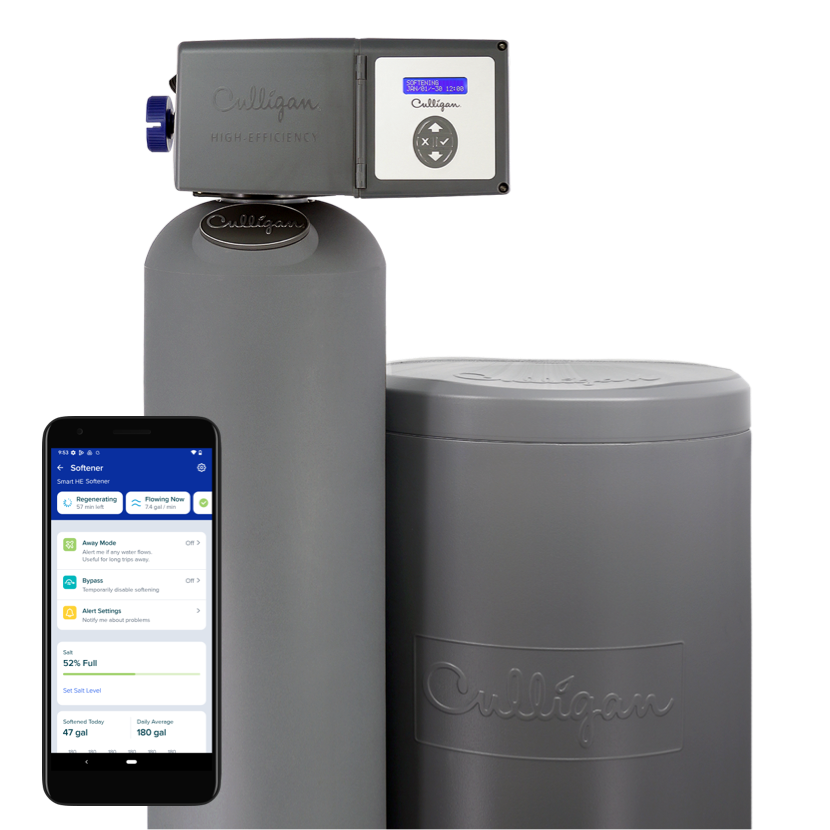
Tailor your troubleshooting approach based on your specific Culligan system type. Different models have unique features and common failure points.
For Aquasential Smart HE
Use the Culligan Connect app to get low-salt alerts and start regeneration remotely. Ensure your Wi-Fi connection is stable since loss of connectivity disables smart features. View error logs in the app to diagnose issues faster.
For Fleck-Valve Models
These common older units often suffer from flow meter issues causing false regeneration. Check wire connections behind the meter and tighten them if they feel loose. A faulty meter prevents the system from tracking usage correctly.
For Well Water Users
Install an Iron-Cleer or Iron-OX5 pre-filter to protect the softener resin. Sanitize your system every spring or after any well work to prevent bacterial growth. Test for bacteria and iron quarterly to adjust maintenance needs.
Frequently Asked Questions About Culligan Water Softener Troubleshooting
Why is there still water in my brine tank?
A small amount of water is normal but high levels indicate a blockage in the brine line or a stuck float valve. The water should drain during regeneration. If it remains high you likely have a clog preventing the system from drawing brine.
How often should I add salt to my Culligan softener?
Most households need to refill salt every two to four months depending on usage. Keep the tank at least one-third full at all times. Check monthly to ensure the level stays above the water line.
What causes my water softener to not regenerate?
Power outages incorrect time settings or a disconnected flow meter often stop regeneration. Low salt levels or salt bridging can also prevent the cycle from completing. Check these basic items before calling for service.
How do I know if my resin bed is bad?
Discolored or cloudy water often indicates resin bead breakdown in older units. If water remains hard after regeneration and salt issues are ruled out the resin may be exhausted. Resin typically lasts ten to fifteen years before needing replacement.
Can I use any type of salt in my softener?
No you should use pellet or solar salt specifically designed for water softeners. Avoid rock salt or fast-dissolving varieties as they cause mushing and clog the system. High-efficiency models require specific salt types for optimal performance.
Key Takeaways for Culligan Water Softener Troubleshooting
Most Culligan water softener problems stem from simple salt issues like bridging or mushing that you can fix yourself. Start by inspecting the salt tank breaking any bridges and cleaning out sludge to restore function. Regular maintenance including annual injector cleaning and resin treatment prevents most major failures.
If your unit is over fifteen years old and failing frequently replacement is often smarter than repeated repairs. Modern high-efficiency models save water and salt while offering smart monitoring features. Take action today by checking your salt levels and running a manual regeneration cycle to ensure soft water flow.