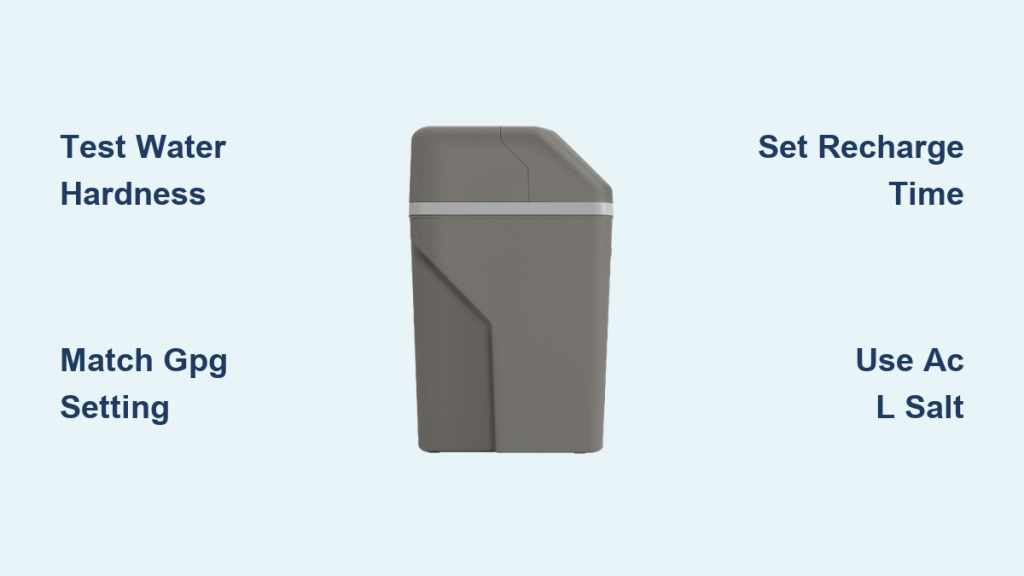

Spots on dishes and dry skin often signal hard water issues that require a reliable solution. You need to know how to select a water softener that fits your specific household needs without wasting money.
This guide explains water testing, capacity calculations, and system types to help you choose wisely. You will learn to match features with your budget and plumbing setup for long-term satisfaction.
Test Your Water Hardness Levels

You cannot choose the right system without knowing your exact water hardness level first. Measuring in grains per gallon or parts per million determines the necessary system size.
Check Local Municipal Water Reports
Many cities publish annual water quality data online for public access. Download the Consumer Confidence Report from your local water department website. Look for average hardness numbers exceeding 7 GPG to confirm you need treatment.
Use a Home Testing Kit
DIY test strips provide instant readings for hardness and pH levels at home. Choose a kit that specifically measures calcium and magnesium concentrations accurately. This method offers a quick snapshot of your current water conditions.
Hire a Professional Assessor
Certified technicians use calibrated digital tools for the most precise hardness data available. They can detect hidden issues like iron content or acidity that affect system choice. Many companies offer this assessment service for free during a home visit.
Calculate Your Daily Water Usage
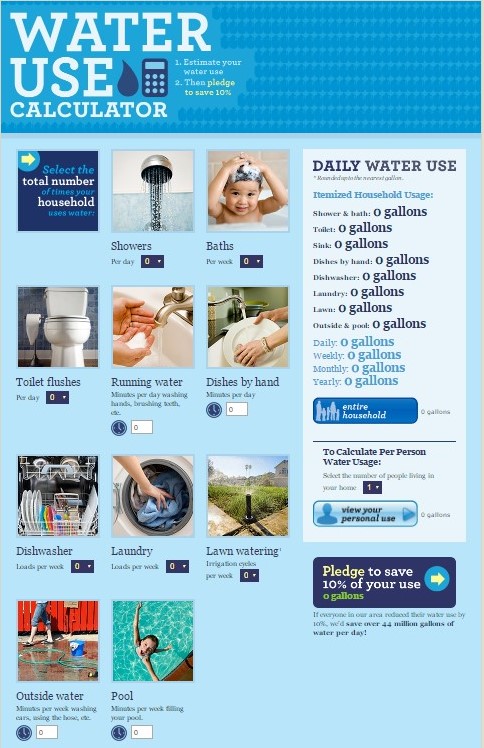
Your household consumption rate dictates the size and efficiency of the required water softener unit. An undersized system fails while an oversized one wastes salt and water resources.
Estimate Based on Household Size
Each person typically uses between 70 and 100 gallons of water daily. Multiply this number by your total household members to find your baseline usage.
- 1–2 people need 150–200 gallons per day
- 3–4 people need 250–400 gallons per day
- 5+ people need 400–600+ gallons per day
Adjust for High-Water Appliances
Large bathtubs or swimming pools increase your daily water demand significantly. Humidifiers and irrigation systems also add extra gallons to your total usage count. Add at least 50 gallons to your estimate if you own these features.
Factor in Softening Efficiency
No water softener operates at 100 percent efficiency during every cycle. Add a 20 percent buffer to your total daily calculation to ensure consistent performance. This extra capacity handles peak usage times without running out of soft water.
Choose the Right System Capacity
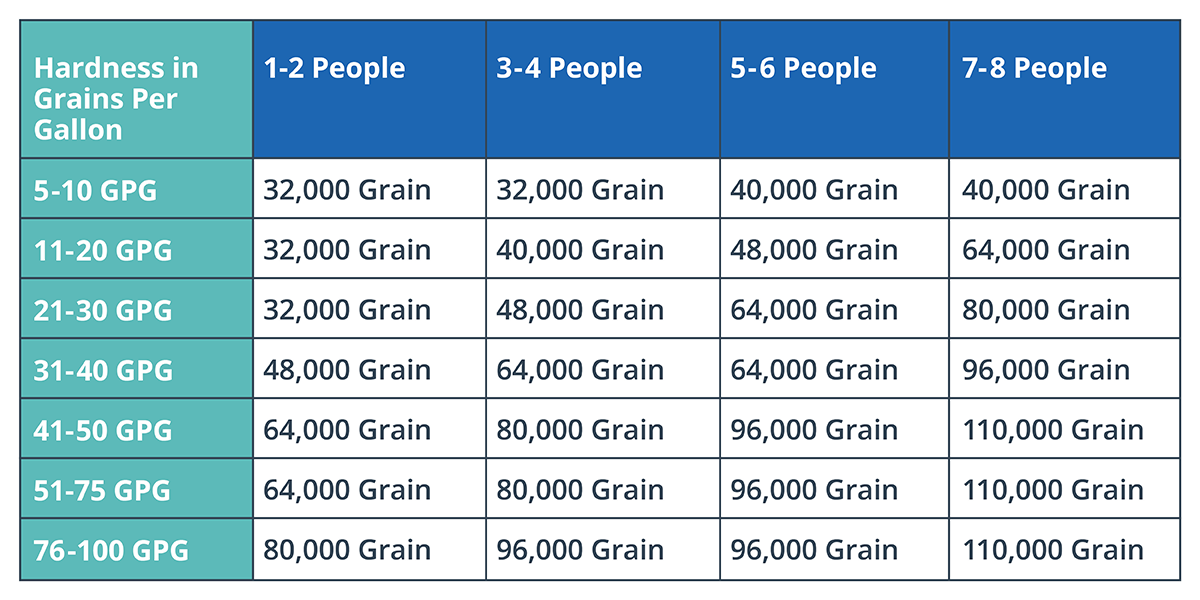
Capacity refers to the total grains of hardness a unit removes before it must regenerate. Selecting the correct grain rating prevents frequent cycling and extends the life of your equipment.
Match Capacity to Hardness and Usage
Multiply your water hardness in GPG by your daily water usage in gallons. A unit with a grain capacity higher than this daily load ensures reliable operation. For example, 15 GPG times 300 gallons equals a need for 4,500 grains daily.
Review Common Capacity Tiers
Different home sizes require different grain capacities to function effectively.
- 24,000 grains suit 1–2 people with moderate hardness under 15 GPG
- 32,000–48,000 grains fit families of 3–5 in hard water areas
- 64,000+ grains work for large homes or well water with high iron
Avoid Oversizing Pitfalls
Buying a unit that is too large can cause bacterial growth due to infrequent regeneration. The resin bed may foul if the system does not cycle every 3 to 7 days. Stick to a size that matches your calculated daily load.
Compare Water Softener Types
Different technologies offer unique benefits depending on your water quality and maintenance preferences. Understanding these differences helps you avoid buying the wrong technology for your home.
Salt-Based Ion Exchange Systems
These systems swap sodium ions for calcium and magnesium to remove hardness effectively. They remain the most proven method for treating very hard water conditions.
- Removes up to 99 percent of hardness minerals
- Requires regular salt refills and brine tank cleaning
- Adds small amounts of sodium to the treated water
Salt-Free Water Conditioners
These units alter mineral structure to prevent scale without removing hardness ions. They are ideal for those who want to avoid salt and wastewater entirely.
- Requires no salt or electricity to operate
- Does not remove minerals from the water supply
- Works best in areas with moderate hardness levels
Dual-Tank Continuous Systems
Dual-tank models use two resin beds to provide soft water even during regeneration. This setup ensures no interruption in service for large households.
- Delivers continuous soft water 24 hours a day
- Requires more installation space than single-tank units
- Costs more upfront but handles high demand seamlessly
Magnetic and Electronic Descalers
These devices clamp onto pipes and use electromagnetic fields to change mineral behavior. They are easy to install but lack the consistency of true softeners.
- Requires zero maintenance or operating costs
- Results vary significantly based on water chemistry
- Not recognized as true water softeners by industry standards
Evaluate Regeneration Options
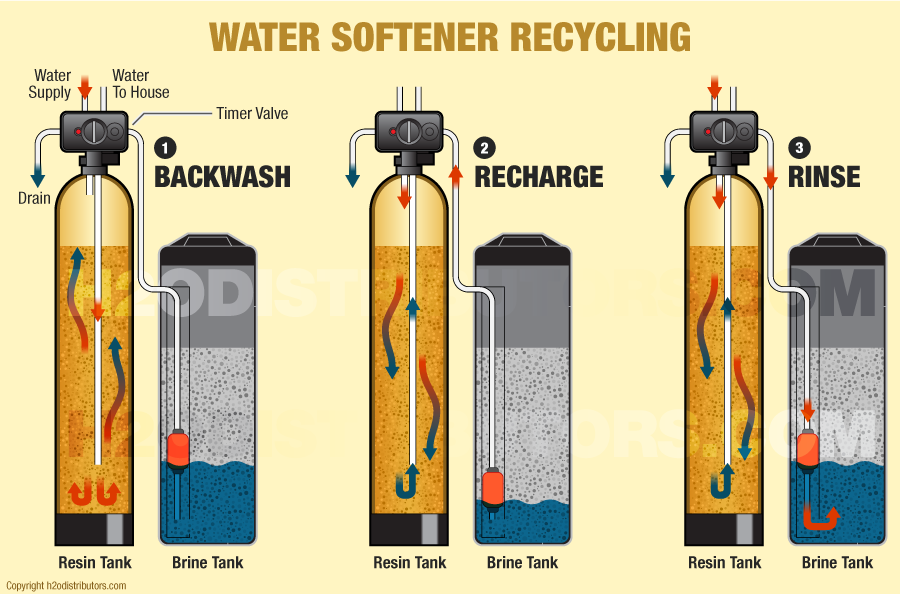
The regeneration method determines how often your system cleans itself and how much water it wastes. Choosing the right control type impacts both efficiency and operating costs.
Timed Regeneration Schedules
Timed systems regenerate on a fixed schedule regardless of actual water consumption. This simple method works well for homes with very predictable daily usage patterns. However, it wastes salt and water if you leave town or use less water than usual.
Demand-Initiated Regeneration Meters
These systems track actual water flow and regenerate only when necessary. This approach saves significant amounts of salt and water compared to timed models. It adapts automatically to changing household needs and vacation schedules.
Smart Wi-Fi Enabled Controls
Advanced meters connect to your smartphone for real-time monitoring and alerts. You can adjust settings remotely and receive notifications about salt levels or leaks. This technology offers maximum control but requires a stable internet connection.
Consider Installation Requirements
Proper installation ensures your new water softener functions safely and efficiently within your home. Check your space and plumbing before purchasing any specific model.
Measure Available Space
Most tank-style units stand 5 to 6 feet tall with a diameter of 12 to 20 inches. Ensure your installation location has at least 6 inches of clearance on all sides. This space allows for easy service access and maintenance checks.
Verify Plumbing Compatibility
Check that your main water line size matches the inlet and outlet connections on the unit. Most homes use ¾ inch or 1 inch pipes for their main supply lines. Confirm you have room for bypass valves and a drain line for wastewater.
Assess Power and Drain Needs
Most electronic softeners require a nearby 110V electrical outlet for the control head. You must also have access to a floor drain or laundry sink for brine discharge. Never install these units directly over wood floors or carpet due to leak risks.
Decide on DIY or Professional Installation
Some brands offer user-friendly kits with push-fit connectors for confident DIYers. Complex plumbing setups may require a licensed plumber to avoid voiding warranties. Improper installation can lead to costly leaks and system failures.
Review Maintenance and Operating Costs
Ongoing expenses play a major role in the total cost of owning a water softener. Factor in salt, filters, and potential repairs before making your final purchase.
Estimate Salt Consumption
Salt-based units typically use 6 to 10 pounds of salt per regeneration cycle. A standard 32,000-grain unit may consume 150 to 200 pounds of salt annually. Purchase high-quality pellet salt to reduce impurities and tank cleaning frequency.
Plan for Resin Bed Replacement
The resin beads inside your tank last approximately 10 to 15 years before needing replacement. Budget $200 to $500 for this eventual service depending on your system size. Regular maintenance can help extend the life of the resin bed.
Track Filter and Energy Costs
Salt-free and hybrid systems often need filter changes every 6 to 12 months. Each regeneration cycle uses between 30 and 100 gallons of water plus minimal electricity. Look for WaterSense labels to find models that minimize water waste.
Compare Top Features and Warranties
Modern water softeners include various features that improve convenience and reliability. Prioritize features that solve your specific problems rather than paying for unnecessary extras.
Digital Control Heads and Displays
Digital interfaces show remaining capacity and days until the next regeneration cycle. Some models provide error codes to help troubleshoot minor issues quickly. These displays make monitoring your system much easier for homeowners.
Self-Cleaning Brine Tanks
Self-cleaning features prevent salt bridging and mushing inside the brine tank. This reduces the need for manual cleaning and prevents system failures. It is a valuable feature for reducing long-term maintenance efforts.
Iron Removal Capabilities
Select a system rated for iron removal if your water supply contains even small amounts. Standard softeners clog quickly when exposed to high iron concentrations. Specialized resin handles iron better and prevents staining on fixtures.
Warranty and Support Coverage
Look for manufacturers offering at least a 10-year warranty on the mineral tank. Check for a minimum 5-year coverage on parts and electronic control heads. Brands with strong service networks provide better long-term peace of mind.
Make Your Final Selection

Gather your data and compare your top choices to find the perfect match for your home. A little research now prevents buyer’s remorse and ensures years of soft water.
Create a Comparison Chart
List your top three models side by side to compare key specifications easily. Include grain capacity, regeneration type, price, and warranty length in your chart. Eliminate any option that fails to meet your core requirements immediately.
Read Real User Reviews
Search for customer feedback on retail sites and specialized plumbing forums. Look for recurring complaints about leaks or programming errors as red flags. Positive patterns regarding durability and customer service indicate a reliable brand.
Get Professional Installation Quotes
Request bundled pricing that includes both the unit and professional installation services. Ask about financing options or rental agreements if the upfront cost is high. Comparing total project costs helps you stay within your budget accurately.
Prioritize Long-Term Value
The cheapest unit often costs more over time due to inefficiency and repairs. Invest in a reliable system that fits your actual needs rather than the biggest model. Quality construction and efficiency save money in the long run.
Frequently Asked Questions About Water Softeners
How do I know if I really need a water softener?
You likely need a softener if you see scale buildup on fixtures or experience dry skin. Water hardness above 7 GPG usually warrants treatment to protect plumbing and appliances.
Can I install a water softener myself?
You can install a softener yourself if you have basic plumbing skills and the right tools. However, complex setups or local code requirements may necessitate hiring a licensed professional plumber.
How often do I need to add salt to my softener?
Most households need to add salt every 4 to 6 weeks depending on usage. Check your brine tank monthly to ensure the salt level remains adequate for operation.
Do salt-free systems actually remove hard water minerals?
No, salt-free conditioners do not remove minerals but rather change their structure. They prevent scale buildup without eliminating calcium and magnesium from your water supply.
What happens if I choose the wrong size water softener?
An undersized unit will run out of soft water quickly while an oversized one wastes resources. Incorrect sizing leads to poor performance, higher costs, and potential damage to the resin bed.
Key Takeaways for Selecting Your Water Softener
Selecting the right water softener requires accurate testing of your water hardness and daily usage. Matching your grain capacity and regeneration type to your specific household needs ensures efficiency.
Focus on reliable features like demand-initiated regeneration and strong warranty coverage for best results. Take action today by testing your water and comparing top models to find your perfect match.