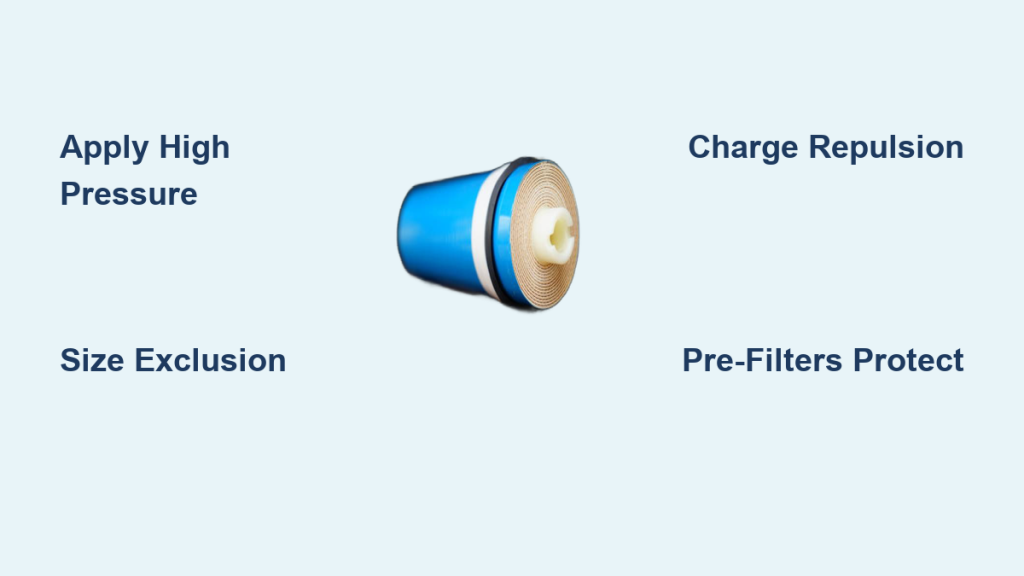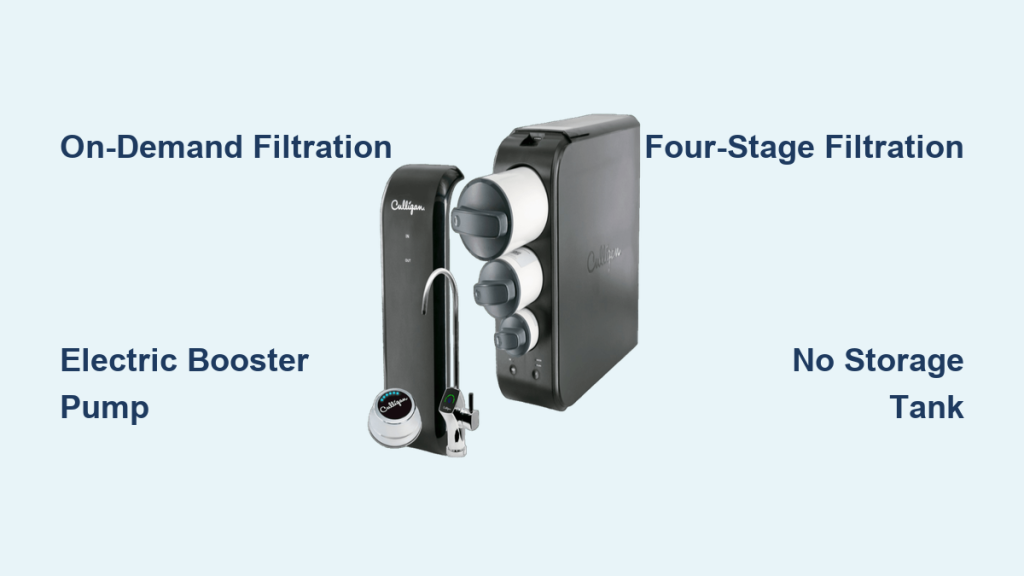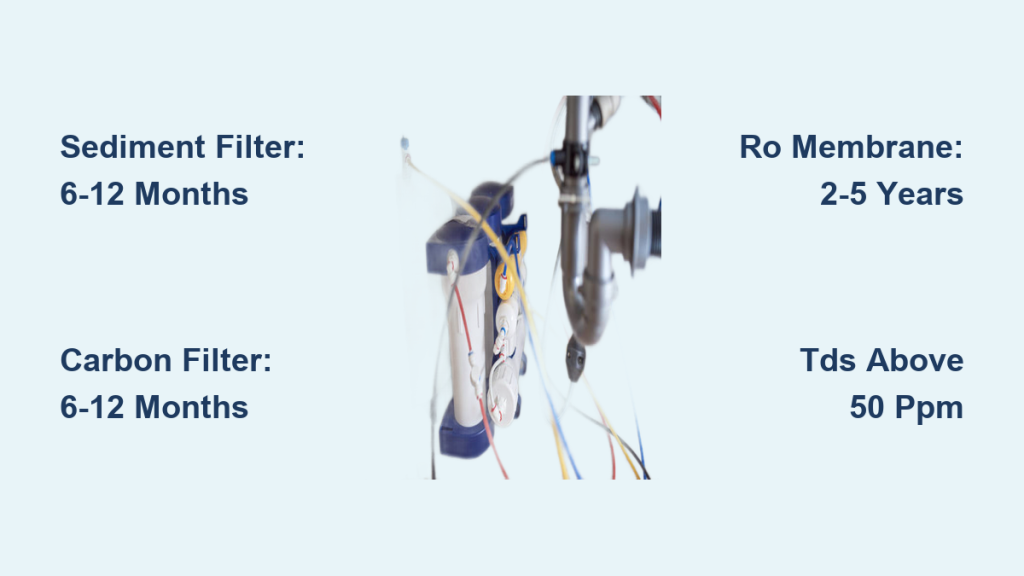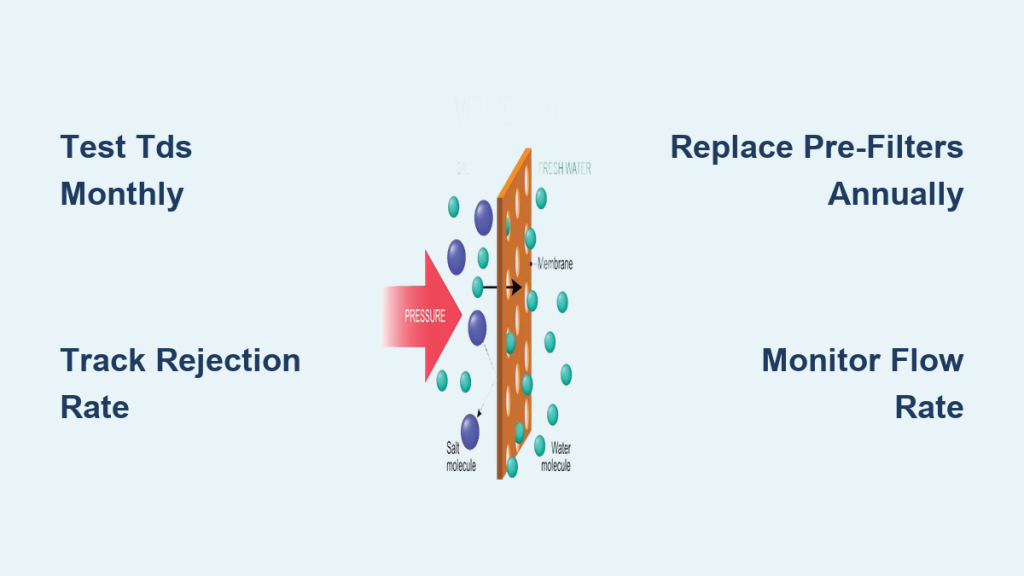

Reverse osmosis (RO) water is prized for its purity, stripped of minerals, contaminants, and dissolved solids. But once produced, storing it properly becomes critical, especially for users who rely on large volumes for aquariums, brewing, or emergency preparedness. Improper storage can compromise water quality, leading to pH shifts, contamination, or chemical leaching. Whether you’re filling a 5-gallon jug or managing a 100-gallon DIY reservoir, the right container, sealing method, and environment make all the difference.
This guide delivers actionable, research-backed steps to store RO water safely and efficiently. You’ll learn how to choose food-safe containers, prevent algae and pH drop, integrate float valves, and avoid common pitfalls. From garage-based drums to automated top-off systems, we cover real-world setups that work.
Choose the Right Storage Container
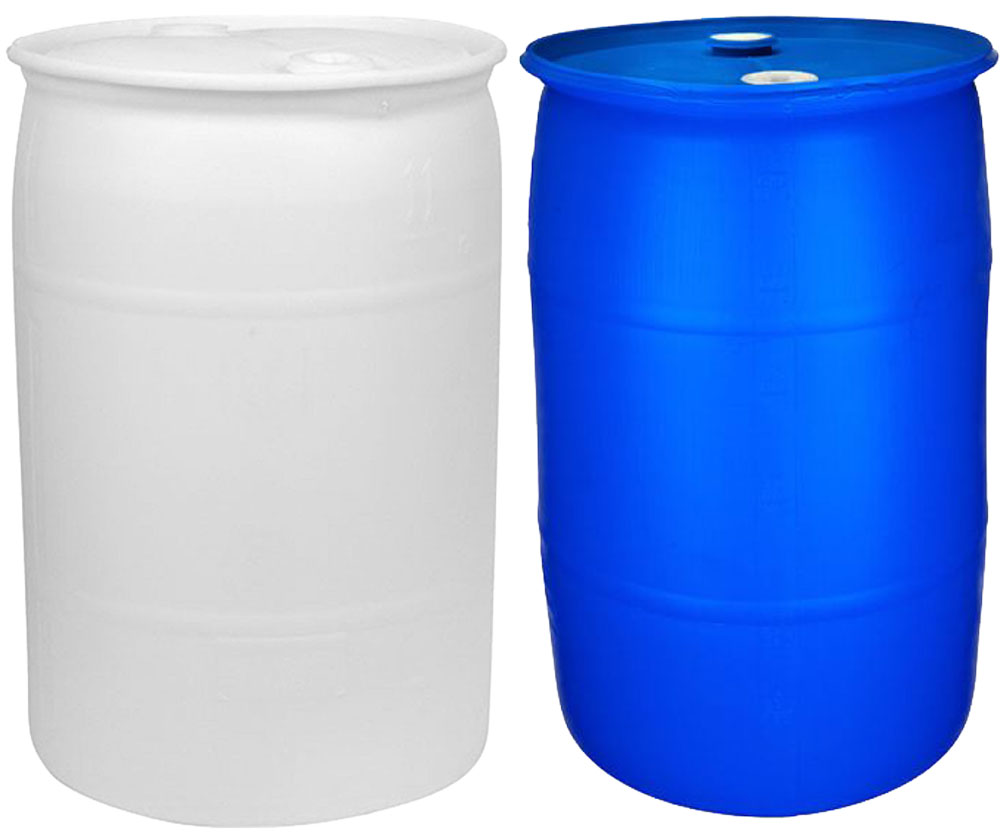
Selecting a container is not just about capacity. It’s about material safety, light protection, and long-term stability.
Use Food-Grade, Opaque Plastic Drums
Opt for rotomolded polyethylene tanks rated for potable water. Recommended options include:
– 55-gallon olive barrels (reconditioned but thoroughly cleaned)
– Rubbermaid Brute containers (confirm food-grade and BPA-free)
– Ace Roto-Mold 105-gallon tanks for high-volume needs
Why opaque? Clear or translucent containers expose water to light, which can trigger algae if any organic residue is present. Opaque white, gray, or black tanks block light and prevent growth.
Pro Tip: Label your tank “RO Water Only” to avoid accidental mixing with tap or chemically treated water.
Avoid Non-Certified Plastics and Glass Limitations
While glass is the safest option with zero leaching risk, it’s impractical beyond 5 to 10 gallons due to weight and fragility. For larger volumes, stick to certified food-grade plastic.
Avoid unmarked plastic bins, containers previously used for chemicals or non-food liquids, and thin-walled jugs not designed for long-term storage. Phthalates in low-grade plastics can leach into water over time, especially in warm environments. While the risk is low for human consumption, aquatic life is far more sensitive, making material choice crucial for fish and coral keepers.
Pick Portable Jugs for Small-Scale Needs
For 5 to 15 gallon storage, consider these options:
– 5-gallon buckets with gamma seal lids
– 7-gallon anti-glug jerry cans with spigots
– 13-gallon kitchen trash cans (unused, food-grade)
These are ideal for weekly aquarium top-offs, brewing prep, and emergency water rotation.
Warning: Never use containers with residual odors. Clean first with vinegar or Oxyclean, never mix cleaners, and rinse thoroughly.
Prevent Algae and Light Exposure
RO water should not grow algae. But if it does, the problem is your storage setup, not the water.
Block All Light Sources
Even indirect sunlight through a garage window can stimulate growth if organic matter is present. Always store tanks in dark areas like basements or closets, choose solid-color non-transparent containers, and wrap clear containers in black plastic as a temporary fix.
Clean Containers Before Every Use
Algae blooms usually stem from residual biofilm or contamination. Follow this cleaning protocol:
1. Drain and rinse the tank
2. Scrub with diluted bleach (1 tablespoon per gallon) OR white vinegar (1:1 with water)
3. Rinse 3 to 5 times with clean water
4. Air dry completely before refilling
Fact: True RO water has 0 TDS and no nutrients. Algae cannot survive. If it grows, either the water is not pure or the container is contaminated.
Seal to Stop pH Drop and CO2 Absorption
One of the biggest threats to stored RO water is not microbes. It is air.
Airtight Lids Prevent Carbonic Acid Formation
When RO water is exposed to air, it absorbs CO2, forming carbonic acid. This lowers pH from neutral (7.0) to as low as 5.5, which can stress fish and accelerate plastic leaching.
Solution: Use containers with gasketed, airtight lids. Even a loose-fitting cover allows gas exchange.
Minimize Headspace
The more air in the tank, the more CO2 dissolves. For long-term storage, fill to the top when possible, use collapsible bladders or floating lids to reduce airspace, and avoid leaving half-empty jugs for weeks.
Note: Cold water absorbs CO2 faster. Store in a cool, dark place, but seal tightly.
Install Float Valves for Automatic Filling
Manually filling buckets is time-consuming. A float valve system automates the process.
How Float Valves Work
Float valves install near the top of the tank, connect to RO output via 1/4-inch tubing, shut off when water reaches set level, and prevent overflow while allowing unattended operation.
DIY Setup Steps
- Drill a 5/8-inch hole near the top of the tank
- Insert float valve with 1/4-inch barb fitting
- Seal with aquarium-safe silicone (inside and out)
- Connect to RO system using tubing and 90-degree elbows
Bonus: This bypasses the RO’s small pressurized tank, improving system efficiency and recovery ratio.
Add Bottom Drains for Fast, Complete Dispensing

Pouring from the top is messy and inefficient. A bottom outlet lets you drain fully and quickly.
Use 1/2-Inch PVC Ball Valves
These are far superior to plastic spigots or garden taps. They handle high flow rates for water changes or brewing and resist corrosion and leaks.
Installation Guide
- Drill a 1 3/8-inch hole at the tank’s base
- Insert bulkhead fitting (plastic or brass)
- Seal with 100% aquarium-safe silicone on both sides
- Attach 1/2-inch ball valve and threaded adapter
- Wrap threads with Teflon tape for watertight seal
Pro Tip: Angle the valve outward for easier hose attachment. Use a bucket or pump for transfer.
Integrate Pumps for Remote Transfer
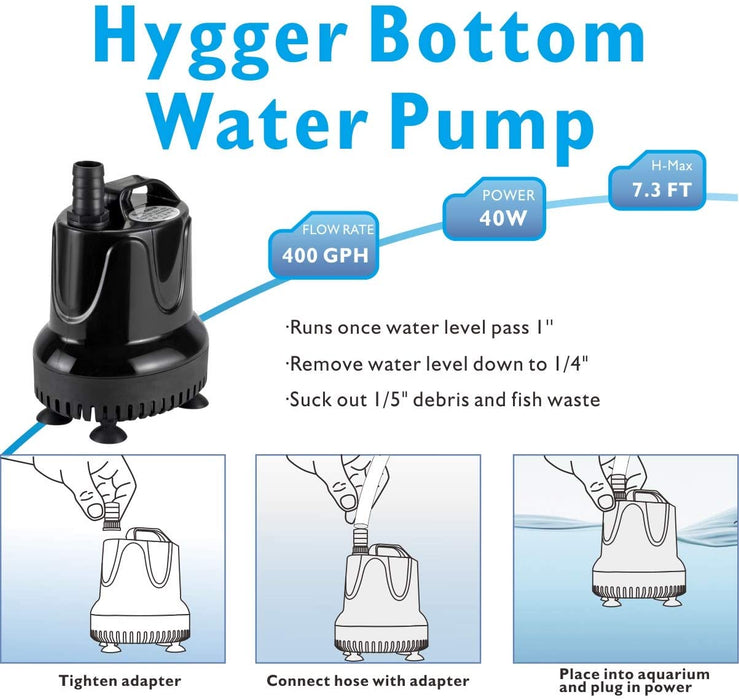
Need to move water 20 to 40 feet to an aquarium or brew kettle? A submersible pump does the work.
Recommended Pump Types
Hygger submersible pumps are quiet, durable, and good for long runs. A 100 to 200 GPH flow rate suits most home uses. Connect to 1/4-inch or 3/8-inch tubing for direct delivery.
Pump Usage Options
Use manual activation by turning on when needed (most common), run 24/7 circulation to prevent stagnation in sump-integrated systems, or use timer-controlled settings for automated top-offs.
Safety: Use a GFCI outlet if running near water sources.
Bypass the RO Pressure Tank for Efficiency
The factory-installed bladder tank is meant for drinking water dispensing, not bulk storage.
Why Store Before the Pressure Tank?
This eliminates backpressure on the RO membrane, increases water recovery (less wastewater), and allows continuous production without cycling.
Diverter Valve Setup
- Install a manual shutoff on the line to the pressure tank
- Add a tee fitting to divert flow to storage
- Open storage valve, close drinking water valve
- RO system runs directly to your tank
Note: The pressure tank still serves a purpose. Use it for daily drinking water and bypass it only when filling storage.
Maintain Water Purity with TDS Testing
Never assume your RO water is pure. Verify it.
Test Before and After Storage
Use a digital TDS meter (10 to 20 dollars). Confirm 0 ppm at the point of production, then re-test after storage to catch contamination.
If TDS is above 0, check for membrane failure, inspect pre-filters and DI resin, and clean or replace storage container.
Myth Busting: You do not need to “age” RO water with filter media. Nitrifying bacteria do not live in water. They colonize surfaces. Storing RO water with bio-media does nothing.
Clean and Maintain Storage Systems
Even the best setup fails without maintenance.
Follow a Cleaning Schedule
Clean every 1 to 2 months for active use, before first use and after long idle periods, and immediately if algae, odor, or cloudiness appears.
Safe Cleaning Agents
Use bleach for deep disinfection (rinse well), vinegar for mild cleaning and mineral removal (rinse well), ammonia for odor removal used alone (rinse well), or Oxyclean for organic residue (rinse well).
Never mix chemicals. Residual reactions can create toxic fumes or leave harmful residues.
Store Safely for Months or Years
Properly stored RO water does not expire.
Shelf Life Guidelines
With a sealed, dark, clean container, RO water is safe indefinitely. User-reported success ranges from 6 weeks to 2 plus years. The limiting factor is container degradation, not water quality.
Long-Term Tips
Use glass for multi-year storage, inspect plastic annually for brittleness or cloudiness, and keep containers out of direct sunlight and extreme temperatures.
Aquarist Proof: Many reef keepers use RO water stored for months with no adverse effects on corals or fish.
Compare DIY vs. Store-Bought RO Water
When to Buy
Buy RO water for infrequent use (once a month), if you have no space for storage systems, or for short-term emergencies. Cost is 0.25 to 0.39 dollars per gallon at grocery kiosks. A 130-dollar RO system pays for itself after about 333 gallons.
When to Build Your Own
Build your own for brewing (35 to 50 gallons per session), aquarium water changes (20 to 40 gallons), and daily top-offs. Advantages include lower cost per gallon, on-demand supply, and full quality control.
Smart Move: Use personal jugs at kiosks to save transport time and cost.
Frequently Asked Questions About Storing Reverse Osmosis Water
How long can you store RO water before it goes bad?
Properly stored RO water can last indefinitely if kept in a clean, sealed, opaque container. User reports confirm successful storage for several months to over two years without quality issues. The limiting factor is container degradation, not water quality deterioration.
Does RO water need to breathe or age like tap water?
No. RO water does not need to breathe, age, or cycle through biological media. Nitrifying bacteria live on surfaces, not in the water column. Adding filter media or “aging” RO water serves no purpose and may introduce contaminants.
Why does stored RO water sometimes smell or taste different?
This typically results from CO2 absorption forming carbonic acid (lowering pH) or from plastic leaching in non-food-grade containers. Use airtight lids, choose certified food-grade plastics, and test TDS to verify purity.
Can algae grow in RO water?
True RO water with 0 TDS contains no nutrients, so algae cannot survive. If algae appears, the water is not actually pure (likely system failure) or the container is contaminated with organic residue. Test your RO system and clean the storage vessel thoroughly.
What is the best container material for long-term RO water storage?
Glass is safest for eliminating plastic leaching entirely, but impractical for large volumes. For bulk storage, use certified food-grade, opaque polyethylene containers. Inspect annually for brittleness or cloudiness and replace as needed.
How do I prevent pH drop in stored RO water?
Prevent pH drop by using airtight gasketed lids, minimizing headspace in the container, and storing in a cool dark location. These steps reduce CO2 absorption and carbonic acid formation.
Key Takeaways for Storing Reverse Osmosis Water
Storing reverse osmosis water safely is straightforward when you follow the right steps. Use sealed, opaque, food-grade containers to block light and prevent chemical leaching. Store in dark, cool locations away from sunlight. Seal with gasketed, airtight lids to minimize CO2 absorption and prevent pH drop. Install a float valve for automated filling and a bottom ball valve for fast draining. Use only 100% aquarium-safe silicone for all seals and connections. Test TDS before and after storage to verify water purity. Clean containers regularly with safe agents like bleach or vinegar, never mixing chemicals. Skip aging or biological conditioning. It is unnecessary for RO water. Monitor container condition over time and replace if signs of degradation appear.
Whether you’re a brewer, aquarist, or preparing for emergencies, your RO water can stay pure, stable, and ready to use anytime you need it.