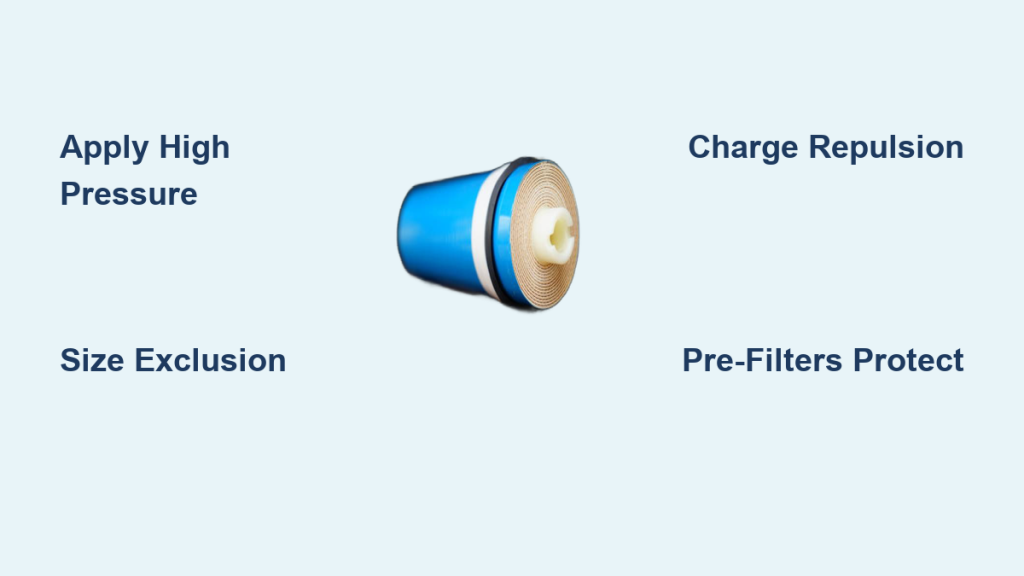
If your reverse osmosis system isn’t producing the pure water it once did, the membrane inside may be wearing out. Most manufacturers suggest replacing the membrane every 2 to 3 years, but real-world experience shows it can last anywhere from 2 to 5 years or longer. The exact timing depends on your water quality, how much you use the system, and how well you maintain it. Replacing too early wastes money while waiting too long risks poor water quality and potential contaminants slipping through.
This guide gives you clear, data-backed guidance on when to replace your RO membrane. You’ll learn the warning signs to watch for, how to test performance with simple tools, and maintenance strategies that can extend membrane life. Whether you use RO water for drinking, aquariums, or brewing, you’ll know exactly when to act.
Signs Your RO Membrane Is Failing

Rising TDS in RO Output
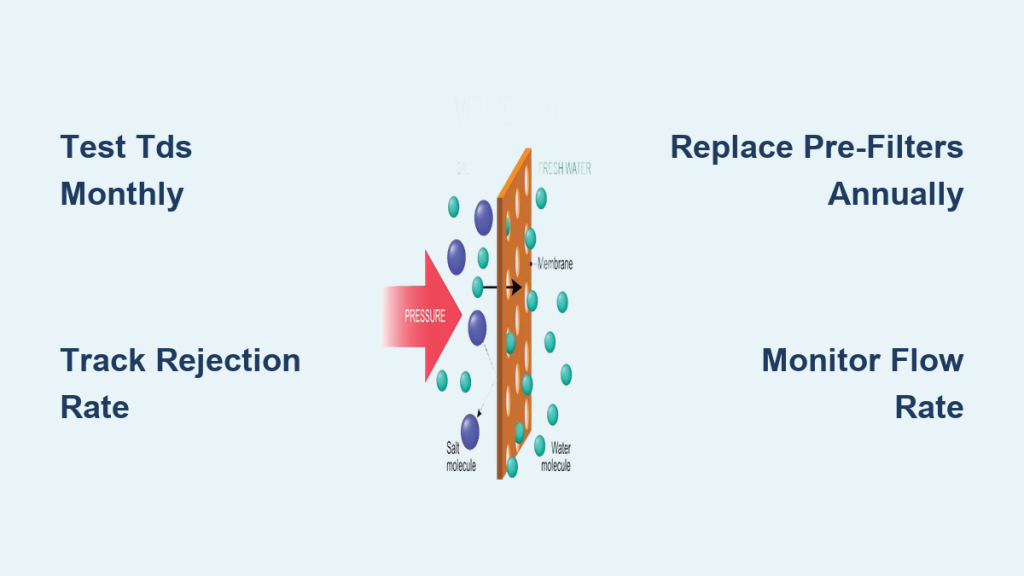
The most reliable sign of membrane failure is increasing total dissolved solids in your purified water. Even a small rise from 5 ppm to 15 ppm signals declining rejection efficiency. Use a calibrated TDS meter to test both your tap water and RO output monthly. If the RO reading climbs steadily over time, the membrane is losing its effectiveness.
For sensitive applications like reef tanks or laboratory work, even 3 to 5 ppm increases matter significantly. One user reported replacing their membrane only when RO output exceeded 5 to 10 percent of the inlet TDS, such as above 7 to 14 ppm from 145 ppm tap water. This threshold works well across most applications.
TDS Rejection Below 90 Percent
Calculate your rejection rate monthly using this formula. Take your inlet TDS minus the outlet TDS, divide by inlet TDS, then multiply by 100. A new membrane typically rejects 95 to 99 percent of contaminants. Over time, this percentage drops.
Above 90 percent means the membrane is still effective. Between 80 and 90 percent means performance is declining and you should monitor closely. Below 80 percent means replacement is needed immediately. Aquarium and brewing users often set stricter thresholds, replacing at below 90 percent due to sensitivity to trace ions.
Slow Water Production
Reduced permeate flow means your storage tank fills slower or your faucet dribbles. While clogged pre-filters or low feed pressure can cause this, a failing membrane is a common culprit. Run a quick diagnostic by shutting off feed water and opening the faucet to relieve pressure. Disconnect the feed line at the membrane housing, then briefly turn on the feed valve and observe flow into a bucket.
Strong flow indicates the problem likely lies with the membrane itself. Weak flow means you should check pre-filters, valves, or plumbing restrictions instead.
Frequent Cleaning Required
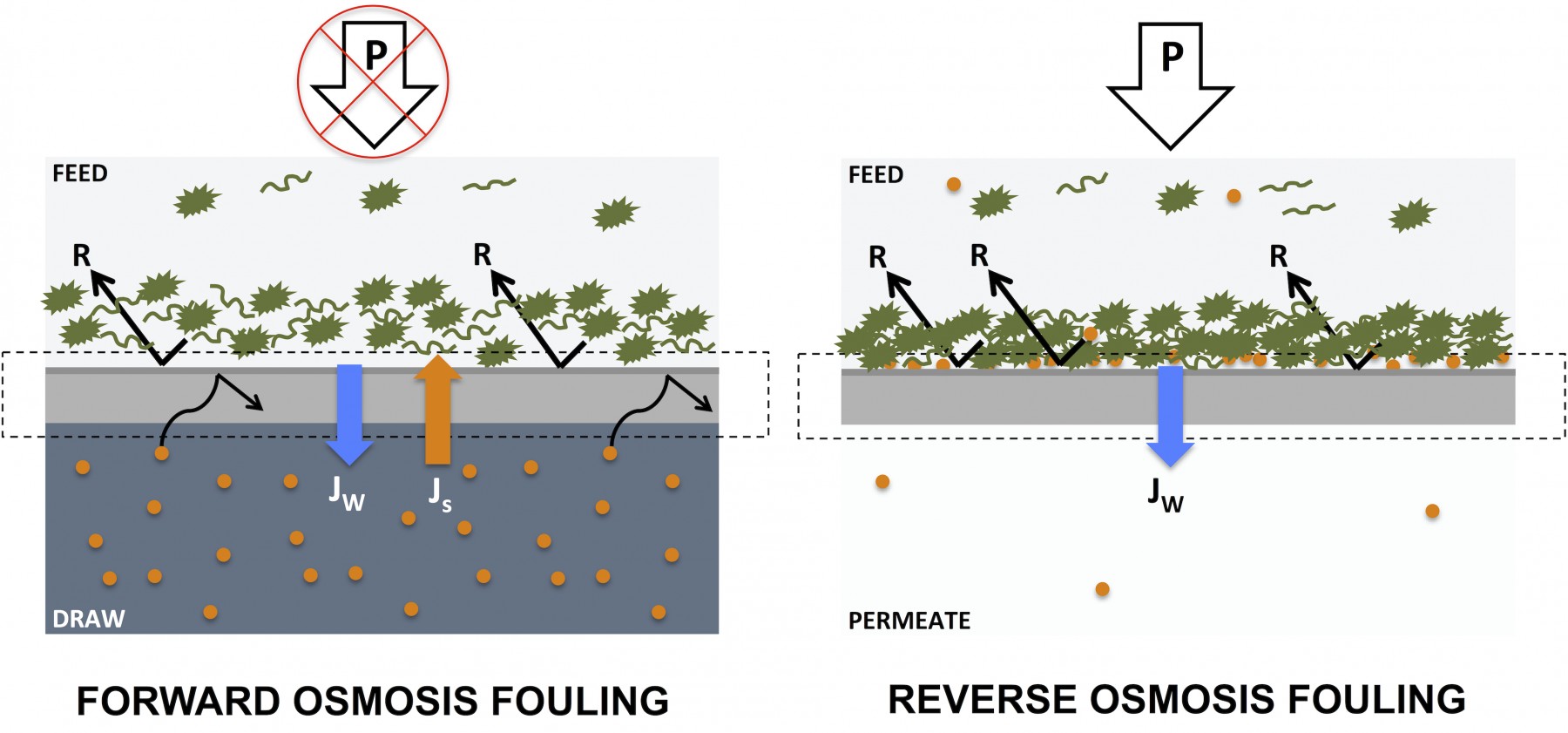
If you need to descale or sanitize every few months despite proper pre-treatment, that’s a sign the membrane is fouled or losing integrity. Occasional cleaning is normal, but repeated interventions suggest the membrane can no longer resist scaling or biofouling effectively. Persistent biofilm or mineral buildup, even with functioning carbon and sediment filters, means contaminants are bypassing early stages and damaging the core filtration layer.
Membrane Age Over 5 Years
Age alone isn’t a reliable trigger, but membranes older than 5 years should be evaluated even if performance seems fine. After five years, gradual degradation may go unnoticed until water quality drops suddenly. Proactive replacement at 5 years is common in high-reliability setups like aquariums and labs. For general use, test the rejection rate annually after year three to catch decline early.
Factors That Shorten Membrane Life
High TDS or Hard Water
Feedwater with high dissolved solids, above 300 ppm, increases osmotic pressure and forces the membrane to work harder. Hard water with high calcium and magnesium leads to scaling, which blocks pores and reduces permeability. One user with 400 ppm tap water saw output rise to 5 ppm after 3 to 4 years, still acceptable but trending downward. Those with 23 ppm tap water reported 1 ppm output after 5 years, showing how lower inlet TDS extends membrane life. Install a water softener if hardness exceeds 7 gpg.
Chlorine Exposure
Thin-film composite membranes are destroyed by chlorine. Even small amounts degrade the membrane irreversibly over time. A functioning carbon pre-filter is essential to remove chlorine and chloramines before water reaches the membrane. If your carbon filter isn’t replaced annually or every 6 to 9 months in high-chlorine areas, chlorine can breakthrough and damage the membrane. Smell chlorine near your RO unit? Replace pre-filters immediately and test membrane performance.
Poor Pre-Treatment
Skipping or delaying pre-filter changes is the number one cause of premature membrane failure. Sediment and carbon filters protect the membrane from particles, rust, and chemicals. Without them, sand and silt clog membrane channels, organics and VOCs foul the surface, and microbes form biofilms that reduce flux. Replace sediment and carbon filters every 12 months, or every 6 months with poor water quality.
High Daily Water Usage
Systems producing 50 to 100 gallons per week, such as for aquariums or homebrewing, wear out membranes faster than those used for basic drinking. Constant operation increases mechanical stress and contaminant exposure. One user rearing seahorse fry at over 100 gallons per week replaced membranes every 3 to 5 years with aggressive pre-treatment. High-volume users should monitor TDS monthly and consider higher-capacity membranes.
Low Feed Pressure or Temperature
RO membranes need 40 to 80 psi feed pressure to function efficiently. Below 40 psi, permeate flow drops and contaminants pass through more easily. Use a booster pump if municipal pressure is low. Cold water below 40 degrees Fahrenheit also reduces output. Ideal temperature is around 77 degrees Fahrenheit. In cold climates, install the system in a conditioned space or insulate feed lines.
How to Test Membrane Performance
Use a Calibrated TDS Meter
A digital TDS meter is the most important tool for monitoring RO health. Test both inlet and outlet water monthly. Rinse the probe with RO water before each use and calibrate every 1 to 2 months using calibration solution. Record readings in a log or spreadsheet to track trends. Stable low output means the membrane is still effective while rising numbers signal it’s time to act.
Install Inline TDS Monitors
Advanced users install multiple inline TDS meters at pre-RO, post-RO, post-DI stage one, and post-DI stage two. This setup provides real-time data and early warnings. A sudden jump in post-RO TDS alerts you before DI resin depletes or water quality suffers. While more expensive, inline monitors pay off in high-demand applications where water purity is critical.
Track Rejection Rate Over Time
Create a simple graph plotting rejection rate over months or years. Gradual decline is normal while sharp drops indicate problems. For example, month one might show 98.1 percent rejection, year three drops to 92 percent, and year four falls to 85 percent. Once rejection falls below your threshold of 80 to 90 percent, schedule replacement.
Consider ICP Testing for Sensitive Uses
For reef aquariums or scientific use, inductively coupled plasma testing identifies specific contaminants even when TDS appears low. Phosphates, silicates, and nitrates can slip through a failing membrane undetected by TDS meters. Run ICP tests annually if you rely on ultra-pure water. It’s the only way to confirm complete contaminant removal.
When to Replace: 3 Smart Strategies
Performance-Based Replacement
Replace only when TDS rejection drops below 80 to 90 percent. This approach maximizes value and avoids premature replacement. It’s ideal for users with stable water quality, those who test monthly, and cost-conscious households. One expert advised never replacing a membrane because it’s been a certain number of years. Only replace when TDS is trending up and tests above 5 to 10 percent of raw water.
Time-Based Replacement
Replace every 3 to 5 years regardless of performance. This is simpler to manage but may lead to early or late replacement. It’s best for general household use, users who don’t test regularly, and systems with unknown maintenance history. If you skip monitoring, stick to 3 to 5 years as a safety net.
Hybrid Approach (Recommended)
Combine time and performance checks for the best results. Test TDS monthly and replace pre-filters annually. Inspect the membrane at 3 years and replace if rejection is below 90 percent or flow is low. Proactively replace at 5 years even if still working. This balances precision with reliability, minimizing risk while extending membrane life.
Maintenance Tips to Extend Membrane Life
Replace Pre-Filters Every 12 Months
This is the single most effective way to protect your membrane. Sediment and carbon filters are cheap insurance against costly damage. The sediment filter removes rust, sand, and silt while the carbon filter eliminates chlorine, VOCs, and odors. In areas with poor water quality, change them every 6 to 9 months. Mark replacement dates on housings to stay on schedule.
Sanitize System Annually
Microbial growth damages membranes over time. Sanitize once per year by shutting off feed water and removing old pre-filters. Swish 10 percent bleach solution in empty filter housings, then reinstall housings without filters and flush the system for 30 to 60 minutes. Reinstall fresh pre-filters and flush until no chlorine smell remains.
Check O-Rings and Housings
Worn O-rings cause leaks and allow unfiltered water to bypass. Replace O-rings every 2 to 3 years and filter housings every 5 years since plastic degrades. Label new housings with installation date for easy tracking.
Maintain Storage Tank Pressure
An under-pressurized tank reduces system efficiency. Check pressure annually by emptying the tank completely, using a bike pump or air compressor to set pressure to 7 psi, then reconnecting and refilling. Proper pressure improves flow and reduces strain on the membrane.
Optimize Feed Water Conditions
Use a water softener if hardness exceeds 7 gpg. Ensure your carbon filter is active by testing for chlorine if in doubt. Add a booster pump if feed pressure is below 40 psi. These upgrades can double membrane lifespan in tough conditions.
Cost and Replacement Options

Standard 75 GPD membranes cost approximately $42 while 100 GPD membranes run about $51. High-end options like Spectrapure range from $60 to $73. Twist-in style membranes from brands like Aquatic Life may be proprietary and harder to replace. For high-demand or sensitive applications, a more expensive membrane is worth it. A $70 membrane lasting 5 years costs about $14 per year, comparable to a $42 membrane lasting 3 years but with lower risk of early failure. Premium membranes often have tighter tolerances and better fouling resistance.
Replacement Frequency by Use Case

General Household Drinking
Replace every 3 to 5 years and focus on taste, clarity, and basic TDS reduction. Test TDS twice per year. Most homes see 4 or more years with annual pre-filter changes and decent water quality.
Aquariums (RODI Systems)
Replace every 3 to 5 years or when DI shows TDS. Rapid DI exhaustion means membrane failure. Use ICP testing annually. Even small ion leaks harm corals and sensitive fish. Monitor post-RO TDS weekly.
Homebrewing
Replace every 4 to 5 years. Consistent mineral-free water ensures repeatable batches. Track rejection rate with each brew session. Many brewers log TDS before every batch to ensure consistency.
High-Volume Applications
Replace every 3 to 5 years with heavy use above 100 gallons per week. This requires robust pre-treatment and weekly monitoring of flow and TDS. Seahorse breeders, large reef tanks, and labs benefit from inline monitors and proactive replacement.
Frequently Asked Questions About Replacing RO Membranes
How do I know when my RO membrane needs replacing?
Watch for rising TDS in your RO output, rejection rates below 80 to 90 percent, slow water production despite clean pre-filters, or rapid DI resin exhaustion. Monthly TDS testing is the most reliable way to track membrane health.
Can I extend my RO membrane life with better maintenance?
Yes. Replacing pre-filters annually, sanitizing the system yearly, maintaining proper tank pressure, and ensuring adequate feed water conditions can significantly extend membrane life. Pre-filter replacement is the single most important maintenance task.
What happens if I don’t replace a failing RO membrane?
A failing membrane allows contaminants like heavy metals, nitrates, and bacteria to pass through into your drinking water. Water quality deteriorates, and downstream components like DI resin deplete faster. In sensitive applications like aquariums, even small contaminant leaks can harm aquatic life.
Does RO membrane replacement timing vary by water quality?
Yes. High-TDS feedwater above 300 ppm, hard water causing scaling, and chlorine exposure all shorten membrane life. Lower-quality feedwater with low TDS and soft water can extend membrane life beyond 5 years. Testing your specific water conditions helps determine optimal replacement timing.
Should I replace my RO membrane on a fixed schedule or based on performance?
A hybrid approach works best. Test TDS monthly and replace pre-filters annually. Inspect the membrane at 3 years and proactively replace at 5 years regardless of performance. This balances precision with reliability and ensures you don’t replace too early or wait too long.
Key Takeaways for Replacing Your RO Membrane
Replace your RO membrane based on performance metrics rather than age alone. Test TDS monthly and calculate rejection rate to determine when the membrane drops below 80 to 90 percent. Annual pre-filter replacement is the most effective maintenance step you can take to protect your membrane investment. With proper care, most membranes last 3 to 5 years, and some exceed 5 years with excellent feedwater conditions and consistent maintenance. Monitor regularly, act when performance declines, and you’ll get the most from your RO system while ensuring safe, pure water for your needs.