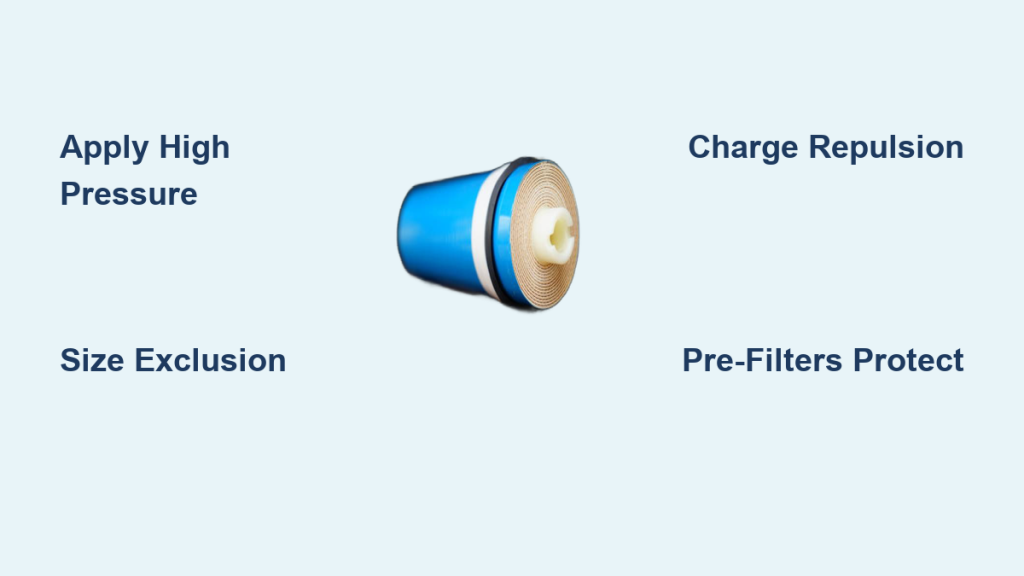
Reverse osmosis (RO) water is among the purest drinking water available, removing up to 99.99% of contaminants including heavy metals, bacteria, and chemicals. However, this intensive filtration strips out essential minerals like calcium, magnesium, and potassium, leaving water that often tests slightly acidic with a pH between 5.0 and 7.0. This is where alkalizing comes in.
You can transform your flat, acidic RO water into a mineral-rich, alkaline beverage with a pH between 7.5 and 9.0, mimicking the natural balance of spring water. This guide covers every proven method, from whole-system upgrades to simple kitchen solutions, so you can choose the best fit for your lifestyle and health goals.
Test Your RO Water First
Before adding any alkalizing agents, verify what you are working with. Testing ensures you choose the right method and avoid over-treatment.
Check pH and TDS Levels
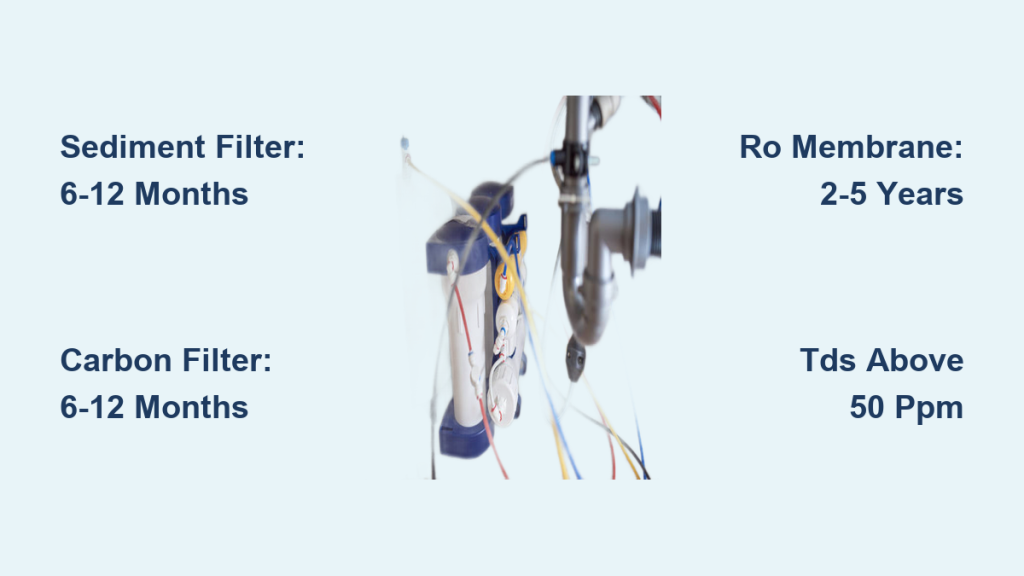
Use a digital pH meter or test strips to measure your RO water’s current pH. Most systems produce water between 5.0 and 7.0, especially after sitting due to CO2 absorption. Pair this with a TDS meter. Ideal readings are under 50 ppm, confirming effective filtration.
If TDS is higher than expected, inspect your RO membrane or pre-filters. A compromised system may allow minerals and contaminants through, affecting alkalization results.
Pro Tip: Always test immediately after dispensing. Letting RO water sit exposed to air increases carbonic acid formation, lowering pH artificially.
Confirm Purity
While rare, some older or poorly maintained RO units may leach materials or fail to block certain VOCs. If you notice odd tastes, odors, or staining, run a third-party water test.
Knowing your baseline prevents over-treatment and helps match the right alkalizing method to your needs.
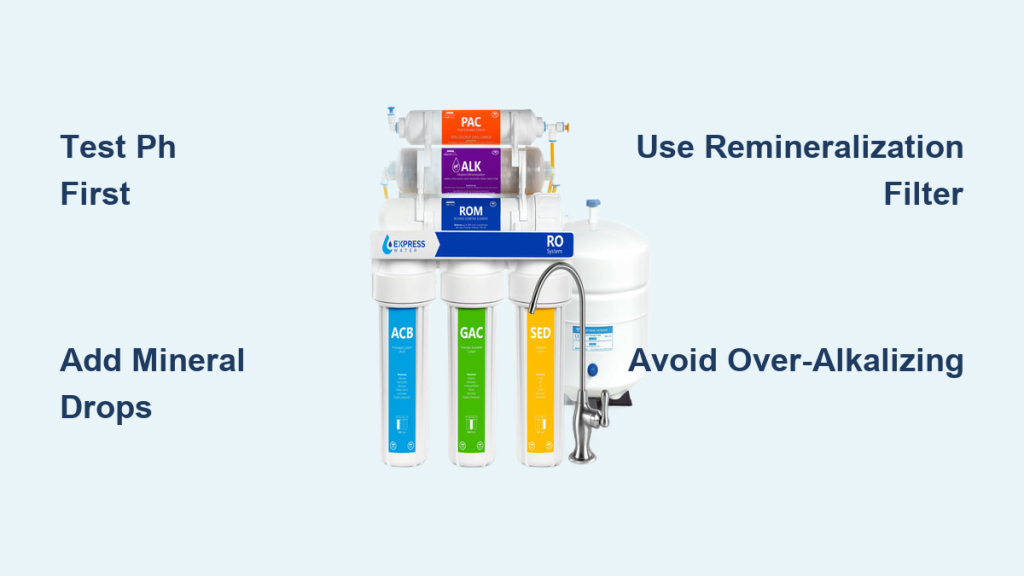
Install a Remineralization Filter

Adding a post-RO remineralization filter is one of the most reliable ways to consistently alkalize water without daily effort.
Choose the Right Filter Media
These filters reintroduce beneficial minerals that raise pH and improve taste. Common media include:
- Calcite (CaCO3): Slowly releases calcium, raising pH to 7.5–8.3
- Magnesium oxide (MgO): Adds magnesium and boosts alkalinity
- Proprietary blends: Combine calcium, potassium, and trace minerals for balanced output
Together, they restore TDS to 50–200 ppm and deliver a smooth, crisp mouthfeel.
Install Step by Step
- Shut off water supply and open the RO faucet to relieve pressure.
- Locate the tubing between the storage tank and faucet.
- Cut the line and insert the remineralization filter using John Guest quick-connect fittings.
- Mount the housing securely under the sink.
- Flush 5 gallons of water to clear fine particles before drinking.
Warning: Never install before the RO membrane. Mineral content will damage the membrane and void warranties.
After installation, expect noticeably better taste and stable alkalinity, ideal for families or high-volume users.
Upgrade to an Alkaline RO System

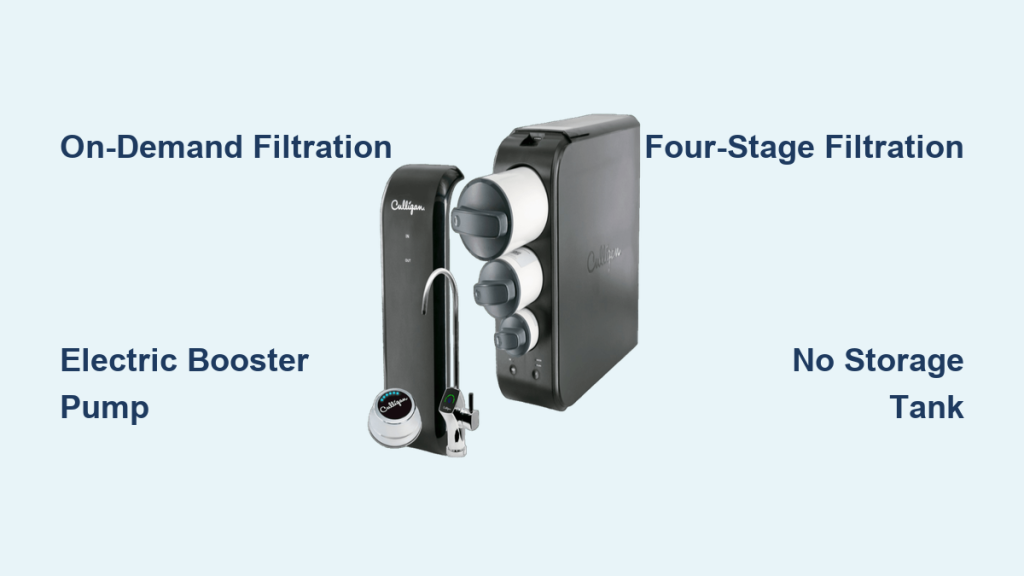
For a complete, maintenance-friendly solution, consider replacing your standard RO unit with an integrated alkaline RO system.
How 6-Stage Systems Work
Advanced models like the Express Water Alkaline RO System combine purification and remineralization:
- Sediment filter: Removes rust, sand, silt
- Carbon block: Eliminates chlorine, VOCs
- RO membrane: Filters out lead, fluoride, microbes
- Remineralization stage: Adds calcium, magnesium, potassium
- Post-carbon filter: Polishes taste and odor
- Alkaline boost: Raises pH to 8.0–9.0
This all-in-one approach delivers clean, alkaline water on demand with no extra steps required.
Benefits Over Add-On Filters
- Fully automated with no manual mixing or drops
- Consistent pH and mineral balance
- Longer filter life lasting 6–12 months
- Higher flow rate due to optimized design
While more expensive upfront at $300–$600, these systems offer the best long-term value for homeowners.
Expert Note: Culligan and other water professionals recommend integrated systems for reliable, hassle-free alkaline water production.
Use Alkaline Mineral Drops
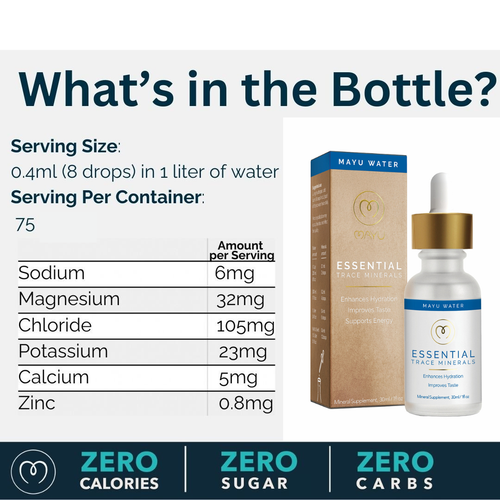
For portability and precision, alkaline mineral drops let you control exactly how much mineral content and pH you add.
How to Apply Correctly
- Add 2–5 drops per 8 oz (240 mL) of RO water
- Stir or shake well
- Wait 30 seconds for full dispersion
Popular brands like MAYU Essential Minerals Drops contain calcium, magnesium, and potassium, supporting hydration, nerve function, and bone health without altering flavor.
Advantages and Limitations
Pros:
- No installation needed
- Travel-friendly
- Adjustable dosing
- Preserves original RO system
Cons:
- Must be used every time
- Risk of overuse or underuse
- Ongoing cost of $20–$30 per bottle
Best for individuals, travelers, or those who want flexibility without modifying plumbing.
Pro Tip: Pair drops with a portable pH meter to fine-tune your ideal alkalinity level.
Try Alkaline Water Pitchers
Alkaline pitchers offer a simple countertop solution, especially useful for renters or small households.
How They Alkalize RO Water
Most pitchers use dual filters. One removes residual impurities while the other uses ion exchange resins or mineral media to release alkaline minerals. Water poured into the pitcher exits with a pH of 8.0–9.5, depending on model and contact time.
What to Watch For
- Capacity: Typically holds 5–10 cups
- Filter life: Lasts 40–80 gallons, roughly 2–3 months
- Effectiveness on RO water: Limited due to already low mineral demand
While convenient, alkaline pitchers are better suited for tap water. With RO water, results may be inconsistent unless the pitcher includes active remineralization media.
Bottom Line: Affordable entry point, but not ideal for full-scale RO water treatment.
Add Baking Soda for Quick Alkalization
Sodium bicarbonate (baking soda) is a fast, inexpensive way to raise pH, perfect for occasional use.
Safe Dosage Guidelines
- Add 1/8 to 1/4 teaspoon (0.6–1.2 g) per 8 oz of RO water
- Stir until fully dissolved
- Final pH reaches 8.5 or higher
It works instantly and can even soothe heartburn due to its antacid properties.
Risks to Consider
- Adds approximately 600 mg sodium per 1/2 tsp, risky for those with hypertension, kidney disease, or heart failure
- Can taste soapy or salty if overused
- Not recommended for daily, long-term consumption
Safety Rule: Never exceed 1/2 tsp per liter unless directed by a doctor.
Best used occasionally or during digestive discomfort, not as a primary alkalizing method.
Use Alkaline Mineral Stones or Ceramic Balls
Natural stones like Maifan, tourmaline, or ceramic mineral balls slowly release trace elements into water when submerged.
How to Use
- Place 1–2 stones per liter in a glass, jug, or bottle
- Let sit for 4–8 hours for full effect
- pH increases to 7.5–8.5
Some users report improved taste and vitality in water, though scientific evidence is limited.
Maintenance Tips
- Rinse stones weekly
- Boil every 2–3 weeks to disinfect
- Replace every 6–12 months
Pros:
- Reusable and eco-friendly
- No electricity or installation
- Adds multiple trace minerals
Cons:
- Slow action
- Results vary by brand and water contact time
Ideal for users seeking a natural, chemical-free method with minimal maintenance.
Blend with Alkaline Water Sources
Mixing RO water with naturally alkaline sources is a simple, no-equipment way to balance pH.
Effective Blending Options
- Spring water with pH 7.5–8.5
- Mineral water such as Evian or San Pellegrino
- Commercial alkaline bottled water with pH 8.0–10.0
Start with a 1:1 ratio and adjust based on taste and pH testing.
Pros and Drawbacks
Pros:
- Immediate results
- No setup or cost beyond bottled water
- Combines purity with natural minerals
Cons:
- Ongoing expense
- Less consistent than filtered methods
- Not practical for large households
Useful for short-term needs or when traveling.
Tip: Test final blend with pH strips to ensure it stays within 7.5–9.0 range.
Power Up with a Water Ionizer
Water ionizers use electrolysis to split water into alkaline and acidic streams, allowing you to select pH levels from 8.5 to 10.0.
Why RO Water Needs Pre-Treatment
Pure RO water has very low conductivity with TDS under 50 ppm, which prevents ionizers from functioning properly. Without minerals, electrolysis cannot occur.
Solution: Pre-remineralize using alkaline filter before ionizer, mineral drops added to RO water, or blended water with higher TDS. Once treated, ionizers produce hydrogen-rich, antioxidant water with negative ORP believed by some to reduce oxidative stress.
Cost and Maintenance
- Price ranges from $500 to $5,000
- Requires regular plate cleaning
- Filters need replacement every 6–12 months
- Consumes electricity
Best for users committed to high-end systems and willing to maintain them.
Caution: Avoid drinking water above pH 9.5 regularly. It may taste bitter and irritate the stomach.
Enhance with Lemon or Lime
Adding lemon or lime slices does not raise the water’s pH, but it supports systemic alkalinity after digestion.
The Citrate Effect
Citric acid in lemons is metabolized into bicarbonate, which helps buffer acidity in the body. Despite its acidic pH around 2.0, lemon has a net alkalizing effect on metabolism.
How to Use
- Add 1–2 slices to RO water
- Let steep for 5–10 minutes
- Enjoy chilled
Benefits:
- Adds vitamin C and antioxidants
- Improves flavor and encourages hydration
- Supports immune function
This method does not change water pH directly. It works best as a flavor and health booster rather than a primary alkalizing method.
Avoid Common Alkalization Mistakes
Even effective methods can backfire if misused. Stay safe and effective with these key precautions.
Do Not Over-Alkalize
Water above pH 9.5 can taste bitter or unpleasant, cause nausea or stomach upset, and lead to scaling in kettles and coffee makers. Regularly test with a digital pH meter to maintain balance.
Monitor Sodium Intake
Baking soda adds significant sodium. For those on low-sodium diets, opt for mineral drops or filter-based systems instead.
Do Not Skip Testing
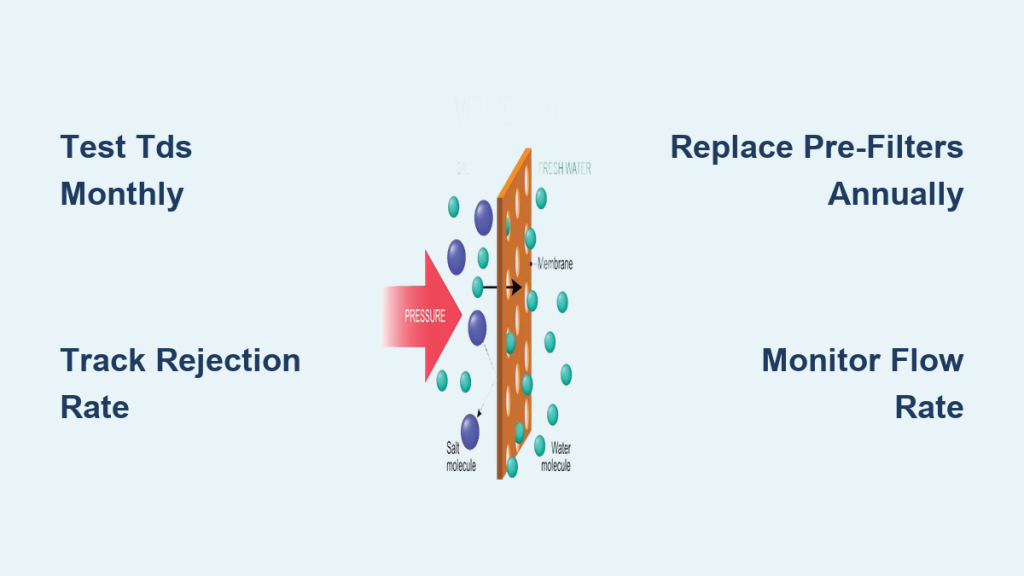
Always confirm RO system performance with TDS under 50 ppm, final pH ideally between 7.5 and 9.0, and mineral content if using ionizers or blends. Testing prevents over-correction and ensures safety.
Pro Tip: Keep a log of pH and TDS readings monthly to track consistency.
Match Method to Your Lifestyle
Choosing the right alkalizing method depends on your needs, budget, and usage patterns.
Best for Homeowners
Integrated alkaline RO systems deliver clean, alkaline water 24/7 with zero daily effort. High upfront cost but excellent long-term value.
Best for Renters
Alkaline pitchers or mineral drops require no plumbing changes. Affordable and portable, ideal for 1–2 people.
Best for Athletes
Mineral drops with pH testing allow precise control over electrolyte content and pH for optimal hydration and recovery.
Best for Occasional Use
Baking soda or lemon provide quick fixes for digestion or flavor. Not for daily reliance.
Best for High-End Users
Ionizer with pre-remineralization offers maximum customization and hydrogen-rich water. Requires investment and maintenance.
Frequently Asked Questions About Alkalizing Reverse Osmosis Water
Can I add an alkaline filter to my existing RO system?
Yes. Alkaline remineralization filters can be installed as a final post-filter stage on most RO systems. They add back calcium, magnesium, and other minerals to raise pH and improve taste.
What is the best pH level for drinking water?
For alkaline drinking water, a pH between 8.0 and 9.0 is often considered optimal. Natural spring waters typically fall within this range.
What happens if I do not remineralize RO water?
You will still have clean, safe water, but it may taste flat or bland, lack essential minerals beneficial for health, and be slightly acidic with pH between 5 and 7.
Is it safe to drink RO water every day?
Yes, RO water is safe for daily consumption. However, remineralization is recommended to improve taste and ensure adequate dietary mineral intake, especially for those with limited access to mineral-rich foods.
Is there a risk of over-alkalizing my water?
Yes. Water with a pH above 9.5 may taste bitter, cause stomach upset, and lead to appliance scaling. Use pH meters to monitor and maintain balance.
Should I test my RO water before adding alkaline minerals?
Absolutely. Testing confirms RO system effectiveness, baseline pH and TDS, and the need for remineralization. This prevents over-treatment and ensures accurate adjustments.
Key Takeaways for Alkalizing Your RO Water
Alkalizing reverse osmosis water is both feasible and beneficial for enhancing taste, hydration, and potential health outcomes. The most reliable and sustainable approach is integrating a remineralization cartridge or upgrading to a multi-stage alkaline RO system, which provides consistent, great-tasting alkaline water with minimal effort.
For small-scale or temporary needs, options such as mineral drops, alkaline stones, or baking soda offer flexibility and affordability. Remember to test your water first, aim for a pH between 7.5 and 9.0, and prioritize mineral content over extreme pH levels.
Start by testing your current RO water, then select a method that aligns with your household needs. When in doubt, consult a water treatment professional to ensure safe, effective, and long-lasting results.