Waking up to a frozen water softener often means facing a flooded garage and a broken system. When temperatures drop below 32°F, the water inside your unit expands and cracks tanks, leading to expensive repairs.
This guide explains exactly how to protect water softener from freezing using insulation, safe heat sources, and smart operational habits. You will learn step-by-step methods to winterize your home and prevent costly water damage this season.
Insulate Your Water Softener with Thermal Barriers

Insulation acts as the first line of defense against cold air. You must wrap the entire unit, including the brine tank, resin tank, and control valve, to trap ambient heat effectively.
Use Quilts and Foam Sleeves for Maximum Warmth
Thick moving pads or quilts work best as thermal blankets for the main tank bodies. For exposed pipes, apply foam pipe insulation sleeves that are slightly larger than the pipe diameter.
* Cut insulation at angles to fit around fittings securely.
* Seal all seams with duct tape to eliminate cold air gaps.
* Focus heavily on the drain line and bypass valve areas.
Keep Insulation Dry with Waterproof Covers
Wet insulation loses nearly all its ability to retain heat. You must cover your insulated unit with a tarp or heavy-duty plastic sheeting immediately.
* Extend the cover from the base up to the wall or siding.
* Tape the edges to create a sealed barrier against snow and rain.
* Ensure no water can seep through to the thermal layer below.
Apply Safe Heat Sources to Prevent Freezing
Passive insulation sometimes fails during extreme cold snaps. Adding a safe, active heat source ensures your system stays above the freezing point even in unheated garages.
Place a Low-Wattage Trouble Light in the Brine Tank
A 40-watt trouble light placed directly on top of the salt provides gentle, continuous heat. This method warms the tank interior without melting plastic components or creating fire hazards.
* Place the light carefully on the salt surface.
* Close the brine tank lid securely over the cord.
* Leave the light on continuously during freezing weather.
Run an Indoor Space Heater Nearby
Position an indoor-rated space heater near the softener to maintain ambient temperature. Keep the garage door closed, as open doors render heaters useless against wind chill.
* Place the heater on a non-flammable surface.
* Maintain at least three feet of clearance from walls.
* Set your home thermostat to 55°F if you are away.
Install Heat Tape on Exposed Pipes
Use UL-listed heat tape on critical valves and drain lines in high-risk zones. Self-regulating models activate automatically when temperatures drop.
* Plug the tape into a GFCI outlet for safety.
* Avoid overlapping the tape on itself.
* Wrap it tightly around exposed metal or plastic pipes.
Prevent Wind Chill Damage with Secure Covers

Wind chill accelerates heat loss dramatically. Even the best insulation fails if strong winds lift it away from the unit.
Anchor Covers Against Strong Winds
Secure your protective covers using heavy objects to prevent uplift. A loose cover allows cold air to circulate and freeze the system quickly.
* Lay a ladder across the base and lean it against the wall.
* Drape a garden hose filled with water over the top for weight.
* Use bungee cords or rope to tie corners to fixed anchors.
Block Drafts with Insulated Enclosures
Build a small enclosure using foam board or wood for units located outdoors or against exterior walls. This creates a microclimate that stays warmer than the outside air.
* Leave a small gap for necessary airflow.
* Block direct wind exposure on all sides.
* Line the interior walls with additional insulation.
Adjust Operation During Cold Snaps

Changing how you use your system during winter reduces the risk of internal freezing. Stagnant water freezes much faster than moving water.
Keep Water Moving Through the System
Let a kitchen faucet drip slightly during sub-freezing weather to maintain flow. You can also run a manual regeneration cycle to flush warm water through the lines.
* Open a faucet just enough for a slow drip.
* Initiate a manual regen cycle before bed during cold nights.
* This prevents ice blocks from forming in valves.
Fill the Salt Tank Before Freezes
Keep your brine tank at least half full of salt during winter months. A larger volume of brine solution has more thermal mass and resists freezing longer.
* Use pellet or block salt for slower dissolving action.
* Maintain a consistent salt level above the water line.
* Check the tank weekly during cold fronts.
Regenerate Before Cold Fronts Arrive
Schedule a full regeneration cycle just before a predicted freeze hits your area. This ensures the system is flushed with warm, salty water and operating efficiently.
* Check local weather forecasts for temperature drops.
* Run the cycle in the evening before temperatures plummet.
* Verify the system completes the full process.
Winterize for Unoccupied Homes Completely

If you are leaving a vacation home unattended, you must drain the system entirely. Insulation alone is not enough for long-term absence.
Shut Off and Bypass the System
Isolate the softener from your main plumbing to prevent water entry. This step is critical for cabins or homes left empty during winter.
1. Turn off the main water supply to the house.
2. Open a faucet to release all system pressure.
3. Engage the bypass valve to isolate the softener.
Drain All Water from Tanks and Lines
Remove every drop of water to prevent expansion damage. Even small amounts of trapped liquid can crack components when frozen.
* Unplug the control head to stop automatic cycles.
* Remove the control valve from the top of the tank.
* Siphon all water from the brine tank completely.
* Disconnect inlet, outlet, and drain hoses to drain them.
* Place caps over open ports to keep out pests.
Recognize Freeze Damage Early and Respond

Early detection of freezing saves your system from total failure. Monitor your unit closely during cold weather for warning signs.
Look for Physical Signs of Ice
Check your unit weekly for visible indicators of freezing. Immediate action is required if you see ice forming on any component.
* Ice on pipes or tank surfaces.
* Cracks, bulges, or leaks in tanks.
* Frost or moisture around valves.
* Coated or frozen drain lines.
Monitor System Performance Issues
Operational failures often indicate internal freezing before visible damage appears. Watch for these signs to catch problems early.
* No regeneration cycles occurring.
* Reduced water pressure throughout the house.
* Loud or abnormal noises during operation.
* Return of hard water symptoms like spots on dishes.
Thaw a Frozen Softener Safely
If your system freezes, turn off the water supply immediately to prevent flooding. Never use open flames or high-heat devices to speed up thawing.
* Let the unit thaw naturally at room temperature.
* Use a fan to circulate warm air gently.
* Inspect for cracks and leaks before restarting.
Maintain Long-Term Resilience Against Cold
Proper maintenance improves your system’s ability to withstand winter stress. Addressing water quality and pressure issues strengthens the entire setup.
Test Water Pressure Annually
Softeners work best between 50 and 60 psi. Low pressure slows water movement, increasing freeze risk, while high pressure stresses seals.
* Install a pressure gauge to monitor levels.
* Add a booster pump if pressure is below 40 psi.
* Install a pressure-reducing valve if pressure exceeds 80 psi.
Install a Whole-House Carbon Filter
Chlorine degrades resin over time, reducing efficiency and making the system more vulnerable. A carbon pre-filter removes these chemicals before they reach the softener.
* Place the filter before the softener in the line.
* Replace filter media according to manufacturer schedules.
* Enjoy extended resin life and better water quality.
Address Acidic Water Issues
Acidic water corrodes pipes and weakens joints, making them likely to burst when water freezes. Neutralize low pH levels to protect your plumbing.
* Test your water pH level annually.
* Install a neutralizing filter if pH is below 6.5.
* Raise pH to a safe range of 6.5 to 8.5.
Frequently Asked Questions About Protecting Water Softeners
Can saltwater in a brine tank freeze?
Yes, saltwater brine can freeze under extreme conditions despite popular belief. While salt lowers the freezing point, prolonged exposure to temperatures well below 32°F will still cause the solution to freeze and expand.
What is the safest way to heat a water softener?
The safest method is using a 40-watt trouble light placed on top of the salt in the brine tank. This provides gentle heat without the fire risks associated with high-wattage heaters or open flames.
How do I winterize a water softener for a vacation home?
You must shut off the water supply, bypass the unit, and drain all tanks and lines completely. Leave the system unplugged and cap all open ports to prevent pest entry while you are away.
What signs indicate my water softener has frozen?
Look for ice on pipes, reduced water flow, loud noises, or a failure to regenerate. If you see ice on the exterior or notice hard water returning, the system may be frozen internally.
Should I wrap my water softener in blankets?
Yes, wrapping the unit in quilts or moving pads is an effective insulation strategy. You must cover these blankets with a waterproof tarp to keep them dry and effective.
Is it safe to use a hair dryer to thaw a frozen softener?
No, using high-heat devices like hair dryers or torches can melt plastic components and cause leaks. Allow the unit to thaw naturally at room temperature or with a gentle fan.
Key Takeaways for How to Protect Water Softener from Freezing
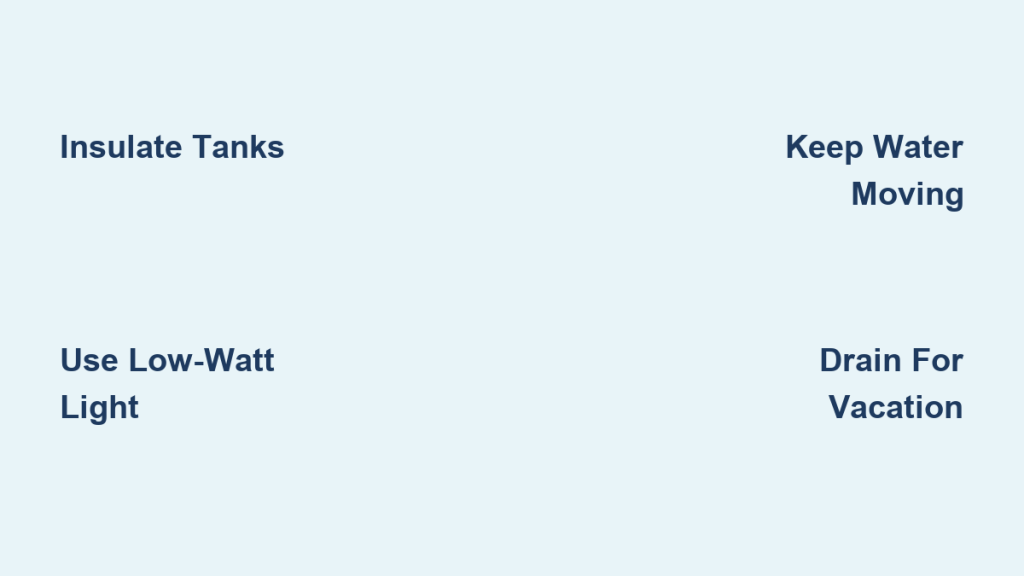
Protecting your water softener requires a combination of insulation, safe heating, and operational adjustments. By wrapping your unit in dry thermal barriers and using a low-wattage light for heat, you can prevent costly freeze damage. Remember to keep water moving during cold snaps and drain the system completely if the home will be unoccupied.
Take action today by checking your insulation and preparing your heat sources before the next cold front arrives. Regular monitoring and quick responses to warning signs will ensure your system survives the winter without failure.