You turn on the tap and notice your dishes are spotty again while your skin feels dry after a shower. Your soap refuses to lather like it used to, suggesting your water softener has stopped working effectively. A malfunctioning unit often fails silently, allowing hard minerals to damage your pipes and appliances without obvious warning signs.
You can identify these issues early by checking specific sensory cues and mechanical components within your system. This guide explains exactly how to know if water softener is working by examining salt levels, listening for regeneration cycles, and performing simple hardness tests. You will learn to spot the difference between minor maintenance needs and critical system failures.
Evaluate Water Texture and Soap Lather
Your skin and soap provide immediate feedback regarding the mineral content of your water supply. Hard water strips natural oils from your body, while soft water feels distinctively smooth.
Assess Skin and Hair Sensation
Run tap water over your hands to feel for texture differences. Properly softened water feels slightly slippery or smooth as it dries, whereas hard water leaves a squeaky-clean or dry sensation. If your skin feels itchy or your hair remains rough after washing, calcium and magnesium ions are likely still present in the supply.
Perform the Soap Suds Test
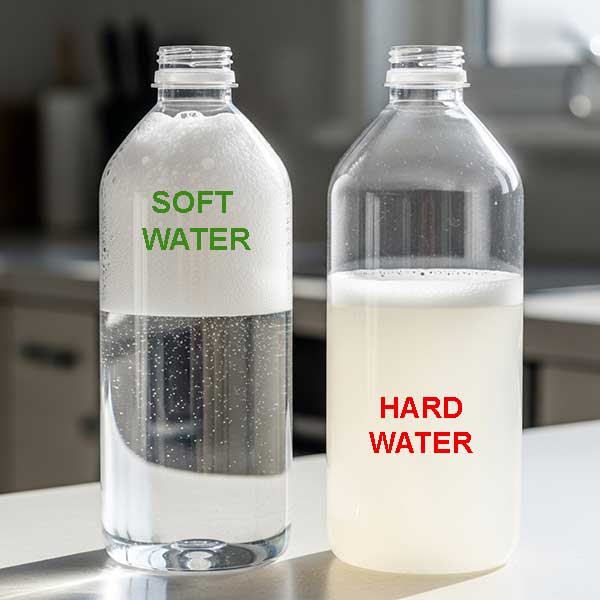
Conduct a quick quantitative check using a clear bottle and liquid dish soap. Fill the bottle one-third full with cold tap water and add five to ten drops of clear soap. Shake the bottle vigorously for ten seconds to observe the bubble formation.
- Working System: The bottle fills with fluffy, long-lasting bubbles that reach the top.
- Failing System: You see very few bubbles or cloudy water because minerals prevent foaming.
Inspect Fixtures for Mineral Residue

Visible deposits on glassware and faucets serve as reliable evidence of hard water returning to your home. These spots indicate that calcium carbonate is no longer being removed during the ion-exchange process.
Check Glassware for Spots
Run a dishwasher cycle without using rinse aid to test for scale buildup. Place a clean glass in the top rack and select the hottest cycle with the heat-dry option enabled. A clear, spot-free glass confirms soft water, while white chalky spots signal high hardness levels.
Examine Faucets and Sinks
Look closely at bathroom and kitchen fixtures for daily accumulation of residue. Hard water leaves behind white or grayish crust around faucet heads and cloudy films on shower doors. You may also notice orange or brown stains if iron is present in the water supply.
Analyze Salt Tank Conditions
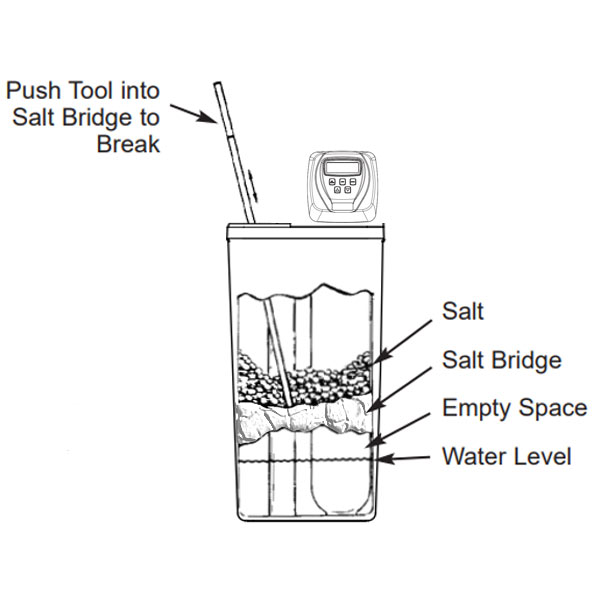
The brine tank holds the key to successful regeneration, and abnormal salt conditions often explain poor performance. Inspecting this area reveals whether your system can create the brine solution needed to recharge the resin beads.
Detect Salt Bridging Issues
Salt bridging occurs when a hard crust forms across the tank, trapping dry salt above the water line. Tap the outside of the tank with a rubber mallet to listen for a hollow sound near the base, which indicates a bridge. Break the crust gently with a broom handle to restore proper salt dissolution.
Identify Salt Mushing Problems
Salt mushing creates a thick sludge at the bottom of the tank that blocks brine draw. Push a long tool to the bottom of the tank to check for a dense, wet layer that does not move. If mushing is present, you must drain the tank and scoop out the sludge before refilling with high-purity pellet salt.
Monitor Salt Consumption Rates
Tracking how quickly your system uses salt provides insight into its regeneration frequency. A working softener consumes salt regularly based on your household water usage and hardness settings.
Investigate Lack of Salt Usage
If the salt level remains unchanged for weeks, the system is likely not regenerating. This issue often stems from a power outage, a reset timer, or a faulty control valve that prevents the cycle from starting.
Address Excessive Salt Usage
Conversely, rapid salt depletion paired with hard water symptoms suggests a mechanical leak or incorrect settings. A failing resin bed may also require constant recharging, causing the unit to use salt far faster than normal.
Listen for Regeneration Cycle Sounds
Your water softener should run an automated cleaning cycle every few days, usually during early morning hours. Listening for specific sounds helps confirm that the motor, valves, and pumps are functioning correctly.
Recognize Normal Operating Noises
A functioning cycle produces a soft hum from the motor and the sound of water flowing to the drain. You may also hear occasional clicks as internal valves shift positions to move water and brine through the system.
Diagnose Cycle Failures by Sound
Silence during expected regeneration times often points to a power issue or a dead circuit board. If the unit hums loudly but draws no water, the injector or venturi assembly may be clogged and requires cleaning.
Check Water Levels in Tanks
Water levels inside the brine and resin cabinets tell a critical story about hydraulic health. Too much or too little water indicates specific component failures that need immediate attention.
Assess Brine Tank Water Levels
It is normal to have two to six inches of water in the brine tank during operation. If water reaches the very top or overflows, the float valve may be stuck open or the injector could be clogged, creating a flood risk.
Inspect Resin Cabinet for Standing Water
Standing water inside the main resin cabinet of a unit-style softener is not normal. This condition suggests a failed brine draw cycle due to vacuum loss, clogged venturi parts, or damaged seals that must be repaired.
Test Water Hardness Quantitatively
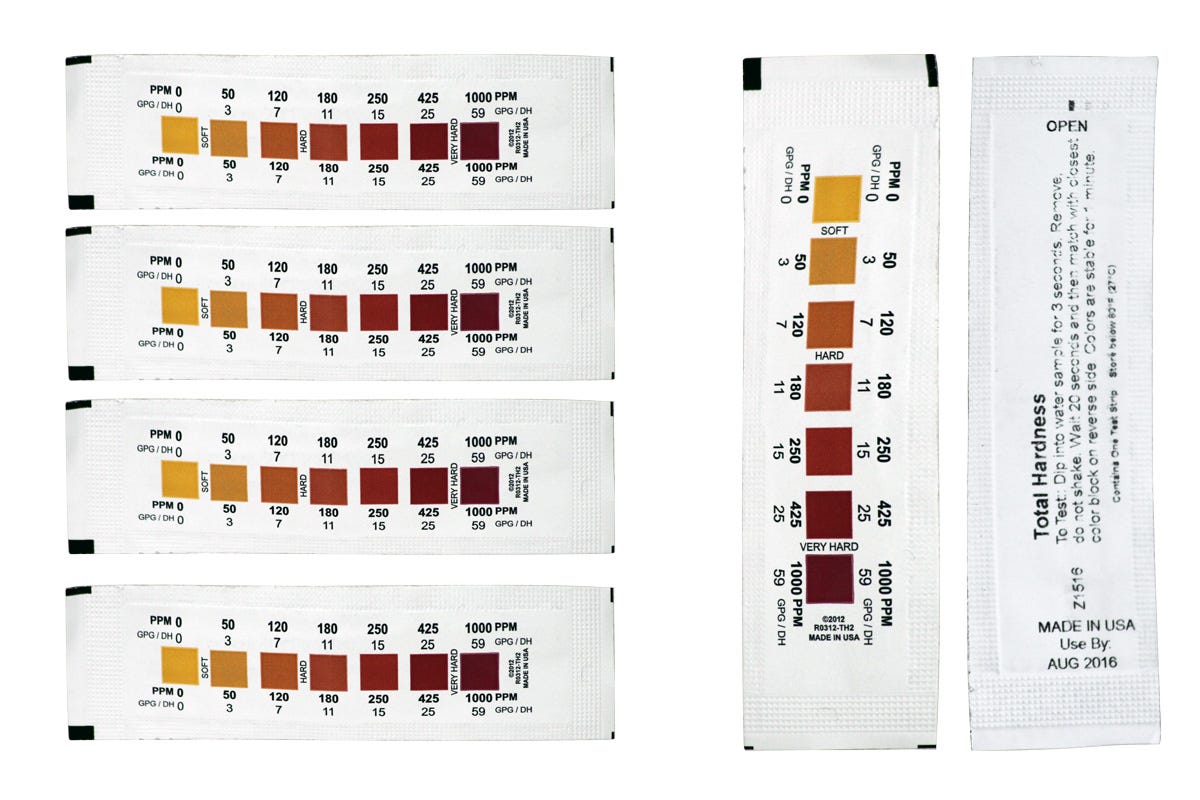
Sensory clues are helpful, but hardness testing strips provide the definitive proof you need to confirm system status. These tools measure the exact grain count of minerals in your water.
Use Hardness Test Strips
Purchase water hardness test strips from a hardware store and dip them in tap water from your faucet. Compare the resulting color to the provided chart to determine grains per gallon (GPG).
- 0–1 GPG: Soft water indicating the system is working.
- 3–7 GPG: Moderately hard water serving as a warning sign.
- 10+ GPG: Hard water confirming the softener has failed.
Consider Professional Water Testing
Call a water treatment professional for a definitive analysis of your water quality. They can measure exact grain counts, check sodium levels, and evaluate flow rates to verify your DIY findings.
Diagnose Low Water Pressure Issues
A sudden drop in water pressure throughout your home may trace back to a clog within your softener unit. Identifying this issue quickly prevents further damage to your plumbing infrastructure.
Perform a Bypass Test
Turn the bypass valve to the “Bypass” position and run water at multiple fixtures. If pressure returns instantly, the softener is clogged internally and requires inspection.
Identify Internal Clog Causes
Common causes for pressure loss include resin beads breaking down into fine particles or sediment buildup in valves. A cracked distributor basket can also spill resin into your plumbing lines, causing significant blockages.
Identify Unusual Mechanical Noises
While some sound is normal during operation, loud or new noises often signal imminent mechanical failure. Ignoring these sounds can lead to total motor destruction.
Respond to Grinding or Squealing
Grinding sounds indicate stripped gears in the control head or a failing motor. Squealing often points to worn piston seals that need immediate replacement by a technician.
Address Complete Silence
If there is no noise during the expected regeneration time, check your power source immediately. A tripped GFCI outlet, power outage, or programming error could prevent the unit from running.
Prevent Overflow and Flooding Risks
An overflowing brine tank poses a serious hazard to your home and electrical systems. Understanding the causes helps you act fast to prevent water damage.
Understand Overflow Causes
Severed brine line connections, clogged injector throats, or shorted circuit boards can cause tanks to overflow. These issues keep the fill valve open, allowing water to pool around the unit.
Execute Emergency Steps
Turn off the water supply and engage the bypass valve immediately if you see pooling water. Unplug the unit and mop up the area to prevent electrical damage before inspecting the brine line.
Maintain System Longevity
Regular care extends the life of your water softener and ensures consistent performance for over a decade. Proper maintenance prevents many common failure modes before they start.
Select the Correct Salt Type
Use high-quality pellet salt or evaporated salt to minimize sludge and impurities in your tank. Avoid rock salt, which leaves dirt behind and increases the risk of salt mushing.
Clean Tanks Periodically
Drain and clean your brine tank every six to twelve months to remove sludge and residue. Use warm water for cleaning and avoid harsh chemicals that could damage internal components.
Decide Between Repair or Replacement

Not every problem requires a new system, but some issues indicate it is time to upgrade. Evaluating the age and condition of your unit helps you make a cost-effective decision.
Repair When Feasible
Repair is recommended if your system is under ten years old and the issue involves salt bridging or minor valve problems. Replaceable parts like gears and seals can often restore function without full replacement.
Replace When Necessary
Replace the unit if it is over fifteen years old or if the resin bed is exhausted. If repairs cost more than half the price of a new unit, upgrading to a modern, efficient model is the smarter financial choice.
Frequently Asked Questions About Water Softener Performance
How often should my water softener regenerate?
Most systems regenerate every few days based on your household water usage and hardness settings. You should hear the unit running during its scheduled cycle, typically at night.
Why is there water in the bottom of my salt tank?
A small amount of water is normal to help dissolve salt, but a full tank indicates a problem. High water levels often mean the float valve is stuck or the injector is clogged.
Can hard water damage my appliances?
Yes, hard water causes scale buildup that reduces appliance efficiency and shortens their lifespan. It can clog pipes, water heaters, and dishwashers with mineral deposits.
What does it mean if my soap won’t lather?
Lack of lather is a primary sign that your water contains high levels of calcium and magnesium. This indicates your softener is not removing minerals effectively.
How do I know if my resin bed is exhausted?
Persistent hardness readings above 10 GPG despite proper regeneration suggest resin exhaustion. If the resin bed is gone, the entire tank media usually needs replacement.
Key Takeaways for Knowing If Your Water Softener Is Working
You can confidently determine system health by combining sensory observations with mechanical checks and quantitative testing. Look for smooth skin texture, spot-free dishes, and fluffy soap suds as primary indicators of soft water. Regular inspection of salt levels, water levels, and regeneration sounds prevents minor issues from becoming major failures.
Take action immediately if you notice dry skin, white spots on glassware, or unusual noises from your unit. Perform a simple soap suds test or use hardness strips to confirm your suspicions before calling a professional. Proactive maintenance ensures your system protects your plumbing and provides comfortable water for years to come.