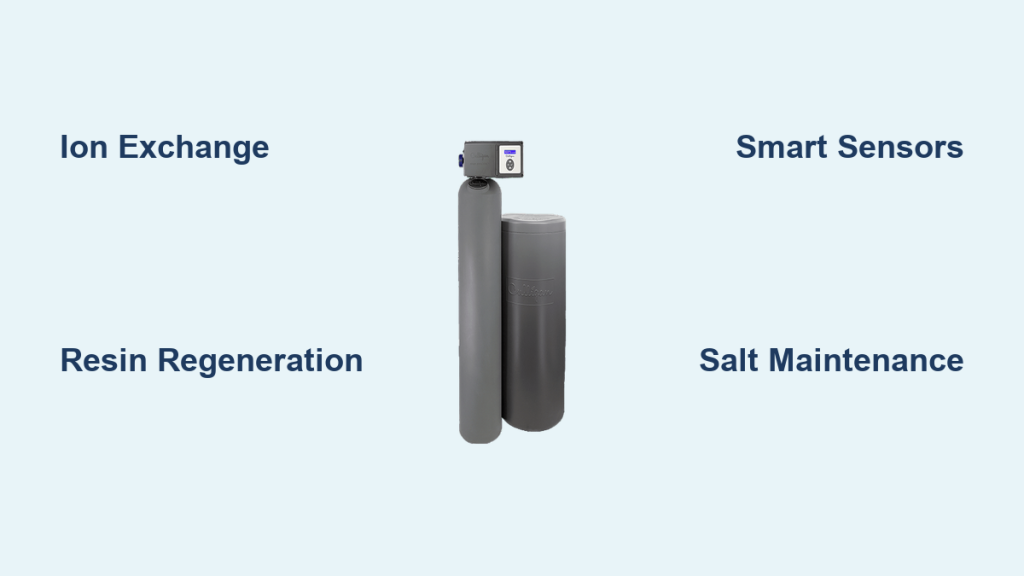
Cloudy dishes, sticky soap scum, and dry skin often point to one culprit: hard water full of calcium and magnesium. A Culligan water softener solves this issue at the source using a proven scientific method called ion exchange to remove these damaging minerals.
You will learn exactly how this system swaps hardness ions for sodium, how smart sensors trigger cleaning cycles, and why proper maintenance extends appliance life. This guide breaks down every component and step so you can understand the full process behind your soft water.
The Ion Exchange Process Removes Hardness Minerals

Hard water contains dissolved minerals like calcium and magnesium that cause scale buildup in pipes and appliances. As rainwater moves through underground limestone deposits, it picks up these positively charged ions. The Culligan water softener targets these specific ions to prevent damage to your home plumbing.
How Resin Beads Capture Calcium and Magnesium
Inside the resin tank, thousands of tiny beads carry a negative electrical charge. These beads act like magnets that attract the positively charged calcium and magnesium ions as water flows through. When hard water passes over the resin bed, the beads grab the hardness minerals and release sodium ions in return.
This molecular swap transforms hard water into soft water without filtering out particles. The process continues effectively until the resin beads become saturated with calcium and magnesium. At that point, the system must regenerate to restore its softening capacity.
Why Sodium Replaces Hardness Ions
The exchange relies on simple chemistry where sodium ions replace hardness minerals on the resin surface. This happens because the resin holds a higher affinity for calcium and magnesium than it does for sodium. Once the hardness ions bind to the beads, the water exiting the tank contains sodium instead of scale-forming minerals.
You do not taste salt in the water because the amount added is very small. The result is water that lathers soap easily and prevents scale accumulation throughout your home.
Essential Components Drive the Softening System
A complete Culligan water softener consists of several key parts that work together seamlessly. Each component plays a specific role in ensuring consistent water quality and system longevity.
Resin Tank Holds the Exchange Media
The resin tank serves as the primary vessel where water treatment occurs. It contains a bed of polystyrene resin beads coated with sodium ions. A distributor at the bottom ensures water flows evenly through the entire resin bed for maximum contact.
As water moves through this tank, the ion exchange process takes place continuously. Over time, the beads lose their sodium content and become loaded with hardness minerals. This saturation signals the control valve to start the regeneration cycle.
Brine Tank Stores Salt for Regeneration
Located next to the resin tank, the brine tank holds solid salt pellets or crystals. This storage area allows the system to create a concentrated saltwater solution known as brine. During regeneration, water enters this tank to dissolve the salt before it moves to the resin tank.
Without adequate salt levels, the system cannot recharge the resin beads. Maintaining proper salt levels ensures your Culligan water softener can regenerate effectively whenever needed.
Control Valve Manages Water Flow
The control valve acts as the brain of the entire operation. It directs water flow between normal service mode and the various stages of regeneration. Modern valves include microprocessors that track usage and monitor resin saturation levels.
This intelligent component decides when to initiate cleaning cycles based on actual need rather than a fixed timer. It manages the complex sequence of backwashing, brining, rinsing, and refilling automatically.
Pre-Filters Protect Resin Efficiency
Many installations include a sediment pre-filter upstream of the softener unit. This filter captures sand, rust, and silt before they can clog the resin bed. Protecting the resin from particulate matter maintains high ion exchange efficiency.
If your water contains iron, you may need specialized iron-removal salt or a dedicated filter. Iron can coat resin beads and block the ion exchange process if left untreated.
Automatic Regeneration Restores Softening Capacity
Regeneration is the self-cleaning process that recharges the resin beads so they can continue softening water. This cycle removes the accumulated calcium and magnesium and replaces them with fresh sodium ions.
Sensors Trigger Regeneration Cycles
Traditional systems use timers or simple flow meters to schedule cleaning. However, modern Culligan water softeners use smart sensors to detect exactly when the resin is saturated. The Aqua Sensor technology measures water hardness leaving the tank to determine the perfect time for regeneration.
This demand-based approach prevents unnecessary cycles and saves both water and salt. Most systems regenerate after treating approximately 800 gallons, though this varies by household size and water hardness.
Brine Draw Recharges the Resin Bed
During the brine draw phase, the control valve pulls concentrated saltwater from the brine tank. This high-sodium solution flows through the resin bed and forces the calcium and magnesium ions off the beads. The process reverses the ion exchange, stripping hardness minerals and replacing them with sodium.
This recharging step is critical for restoring the softening power of the resin. The displaced minerals mix with the brine and prepare for disposal in the next phase.
Waste Flush Removes Hardness Minerals
After the brine draw, the system flushes the mineral-laden wastewater down the drain. This step permanently removes the calcium and magnesium from your home. The wastewater contains the hardness minerals and excess salt from the regeneration process.
A final rinse cycle uses fresh water to wash any remaining brine from the resin tank. This ensures no salty water enters your plumbing when the system returns to service mode.
Smart Technologies Optimize Performance and Savings

Culligan integrates advanced features to make water softening more efficient and user-friendly. These technologies reduce waste while ensuring consistent water quality.
Aqua Sensor Reduces Water and Salt Use
The Aqua Sensor technology continuously monitors the hardness of water exiting the resin tank. It triggers regeneration only when the resin is truly saturated rather than on a fixed schedule. This smart approach can reduce salt and water consumption by up to 50 percent compared to older timer-based models.
You get consistent soft water without wasting resources on unnecessary cleaning cycles. This efficiency lowers your operating costs and environmental impact over time.
Proportional Brining Adjusts Salt Usage
Proportional brining calculates the exact amount of salt needed for each regeneration event. Instead of using a fixed dose every time, the system adjusts based on how much hardness was removed. If your household used less water, the system uses less brine to recharge the resin.
This dynamic adjustment boosts efficiency and reduces the amount of salt discharged into the environment. It ensures you never use more salt than necessary for effective softening.
Culligan Connect App Provides Remote Control
The Culligan Connect App lets you monitor and control your system from a smartphone or tablet. You receive instant alerts when salt levels are low so you can refill the tank before issues arise. The app also tracks water usage and displays regeneration history for better management.
Remote diagnostics allow service professionals to view system data and resolve issues faster. This connectivity helps prevent downtime and keeps your Culligan water softener running at peak performance.
Routine Maintenance Ensures Long-Term Reliability
Proper care keeps your water softener functioning efficiently for years. Regular checks prevent common problems that can interrupt soft water production.
Monitor Salt Levels Monthly
Checking the brine tank once a month is the most important maintenance task. You should keep the tank at least half full of high-quality pellet or solar salt. Avoid using rock salt if your water contains iron, as impurities can clog the system.
Smart models send low-salt alerts, but manual checks provide an extra layer of security. Running out of salt stops the regeneration process and allows hard water to flow through your home.
Prevent Salt Bridging Issues
Salt bridging occurs when a hard crust forms over the salt pile, creating an empty space below. This bridge prevents water from dissolving the salt, which halts brine production. You can detect a bridge by tapping the side of the tank or looking for a gap between the salt and water line.
Break any bridges gently with a broom handle to avoid damaging the tank. Never use sharp objects that could puncture the brine tank or injure you.
Address Iron Contamination Risks
Iron in your water can coat resin beads and reduce softening efficiency. Signs of iron issues include rust-colored stains on fixtures or a metallic taste in the water. Using iron-removal salt or installing a pre-filter helps protect the resin from fouling.
Ignoring iron contamination can lead to permanent resin damage and costly replacements. Regular cleaning with a resin cleaner may also be necessary in high-iron areas.
Soft Water Delivers Measurable Home Benefits
Installing a Culligan water softener provides immediate and long-term advantages for your home and family. The removal of hardness minerals improves cleaning efficiency and protects your investment.
Appliances Last Longer Without Scale
Hard water causes limescale buildup inside water heaters, dishwashers, and washing machines. This scale acts as an insulator that forces heaters to work harder and increases energy bills by up to 30 percent. Soft water prevents this buildup, helping appliances run efficiently and last up to 30 percent longer.
You also maintain better water pressure and reduce the need for frequent plumbing repairs. Protecting your pipes and appliances saves money over the life of your home.
Cleaning Becomes Easier and Cheaper
Soap reacts with hardness minerals to form sticky soap scum on dishes, showers, and clothes. Soft water eliminates this reaction, allowing soaps and detergents to work more effectively. Your dishes come out spot-free, and your clothes feel softer and look brighter after washing.
You will use less detergent and fewer cleaning chemicals since soap lathers better in soft water. Surfaces stay cleaner with less scrubbing, saving you time and effort on household chores.
Skin and Hair Feel Healthier
Hard water leaves a film on skin and hair that causes dryness and irritation. Soft water allows soap to rinse away completely, leaving your skin feeling smoother and less itchy. Your hair becomes shinier, softer, and easier to manage without the dullness caused by mineral deposits.
Many users report reduced eczema flare-ups and scalp issues after switching to soft water. The slippery feeling after showering is actually your natural oils remaining on your skin rather than being stripped away.
Salt-Based Softeners Differ From Salt-Free Conditioners
It is important to understand the difference between true water softeners and salt-free conditioners. These systems use different mechanisms and deliver different results for homeowners.
Ion Exchange Removes Minerals Completely
Culligan salt-based softeners use ion exchange to physically remove calcium and magnesium from the water. This process replaces hardness minerals with sodium or potassium ions. The result is water that is free of the minerals that cause scale and soap scum.
Salt-free conditioners use template-assisted crystallization to change the structure of minerals so they do not stick to surfaces. However, the minerals remain in the water, meaning you do not get the full benefits of true softening.
Performance Comparison Table

| Feature | Salt-Based Softener | Salt-Free Conditioner |
|---|---|---|
| Minerals Removed | Yes | No |
| Scale Prevention | Eliminates buildup | Reduces adhesion |
| Soap Lathering | Greatly improved | Slight improvement |
| Best For | High hardness and skin issues | Brine-restricted areas |
Salt-free systems cannot deliver the same level of cleaning efficiency or appliance protection. True softening is the only method that completely eliminates hardness minerals from your water supply.
Professional Installation and Water Testing Matter
Proper setup ensures your Culligan water softener performs optimally for your specific water conditions. Professional assessment and installation are critical for success.
Experts Handle Complex Plumbing Requirements
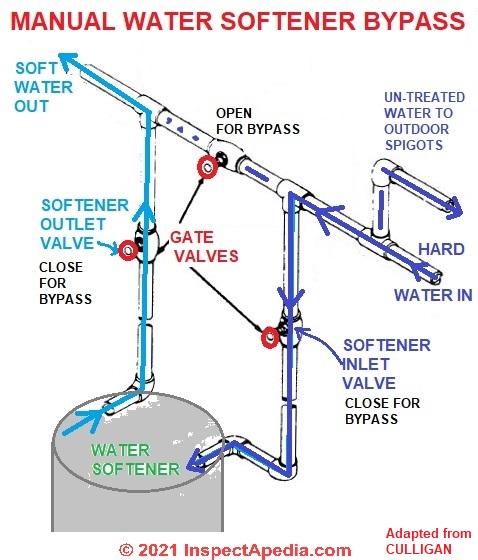
Installing a water softener involves cutting into the main water line and connecting drain lines for regeneration waste. The process requires setting up bypass valves and potentially modifying electrical connections for smart features. Due to the risk of leaks and the need for precise configuration, professional installation is strongly recommended.
Certified technicians ensure your system is sized correctly and installed according to local codes. This prevents leaks, ensures proper flow rates, and guarantees warranty coverage.
Water Testing Determines System Needs
Hardness cannot be seen, tasted, or smelled, so professional water testing is essential before installation. A comprehensive test measures hardness levels in grains per gallon to determine the right system size. It also checks for iron content and other contaminants that might affect performance.
This data ensures your Culligan system is configured to handle your specific water challenges. Without testing, you risk underperformance or premature system failure due to improper sizing.
Frequently Asked Questions About Culligan Water Softeners
Does softened water taste salty?
No, the amount of sodium added during ion exchange is very small and usually undetectable to taste. The increase in sodium is minimal compared to dietary intake, though it is measurable. People on strict sodium diets may choose potassium chloride instead of sodium chloride.
How often does the system need to regenerate?
Regeneration frequency depends on your water hardness and household usage. Most systems regenerate after treating about 800 gallons of water. Smart sensors in Culligan models optimize this timing to regenerate only when the resin is saturated.
Can I install a Culligan softener myself?
Professional installation is strongly recommended due to the complexity of plumbing and electrical connections. Incorrect installation can lead to leaks, improper sizing, or voided warranties. Certified technicians ensure your system meets all local codes and performance standards.
What type of salt should I use?
Use high-quality pellet salt or solar salt for best results. Avoid rock salt if your water contains iron, as impurities can clog the system. Always follow manufacturer recommendations for salt type to maintain efficiency.
How long does a Culligan water softener last?
With proper maintenance, these systems typically last between 10 to 15 years. Regular salt checks, preventing salt bridging, and addressing iron issues help extend the lifespan. Signs of aging include reduced softening performance or frequent mechanical failures.
Do water softeners remove chlorine or lead?
No, water softeners only remove calcium and magnesium through ion exchange. They do not filter out chlorine, lead, bacteria, or other contaminants. For comprehensive purification, pair your softener with a dedicated filtration system like reverse osmosis.
Key Takeaways for Understanding How a Culligan Water Softener Works
A Culligan water softener works by using ion exchange to remove calcium and magnesium from hard water and replace them with sodium ions. This process happens in the resin tank, is managed by a smart control valve, and is sustained through automatic regeneration using salt from the brine tank. Advanced features like Aqua Sensor technology and proportional brining make these systems highly efficient and cost-effective.
Soft water protects your appliances, improves cleaning efficiency, and enhances personal comfort for your family. By following simple maintenance steps like monitoring salt levels and preventing bridging, you can enjoy reliable soft water for over a decade.
Schedule a professional water test today to determine your specific hardness levels and find the right Culligan system for your home. Solving hard water at the source protects your investment and improves your daily life.