If your Rheem water softener isn’t performing like it used to, poor maintenance could be the culprit. Over time, mineral buildup, low salt levels, and skipped cleaning cycles can degrade performance. You may notice spotty dishes, dry skin, and scale forming in pipes. Regular Rheem water softener maintenance prevents these issues and ensures consistent soft water throughout your home.
The key to long-term reliability lies in four core actions: running a clean cycle every four months, monitoring salt levels, verifying system settings, and inspecting components after service. Rheem simplifies this with a built-in reminder on models like the RHS32 that flashes “Clean” every four months. While you can dismiss it with a button press, the alert returns unless you actually complete the cycle. This isn’t just a suggestion. It’s a requirement for warranty extension up to five years.
In this guide, you’ll learn exactly how to maintain your Rheem water softener for peak efficiency. From adding cleaner and refilling salt to configuring hardness settings and avoiding salt bridging, each step is designed to keep your system running smoothly for years.
Run the 4-Month Clean Cycle

Rheem recommends a deep clean every four months using Rheem Water Softener Cleaner (RHWSC). This ready-to-use solution removes iron, scale, and contaminants from the resin bed. It maintains softening efficiency and qualifies you for extended warranty coverage.
Add Full Bottle of RHWSC Cleaner
- Locate the brine well cover on most Rheem models (e.g., RHS32), it’s on the right side of the salt tank and marked with a red sticker.
- Remove the cover by lifting or twisting off the cap to expose the black brine well tube.
- Open the RHWSC bottle by pressing down and twisting to break the childproof foil seal.
- Pour the entire bottle into the tube. Do not dilute or save half. Use the full 12 oz per cycle.
⚠️ Pro Tip: Never mix the cleaner with salt in the main tank. Always pour it directly into the brine well tube to ensure proper dispersion during regeneration.
Start Recharge Cycle Immediately or Delay
After adding the cleaner, initiate a recharge cycle:
- Press Recharge once to schedule the cycle for 2:00 a.m. that night. The display shows “Recharge Tonight.”
- Press and hold for 3 seconds to start the clean cycle immediately.
You can cancel a scheduled cycle by pressing the Recharge button again before it begins.
Let Cycle Finish Without Interruption
A full clean cycle takes 2 to 4 hours, depending on water conditions and system size. During this time:
- The system draws the cleaner through the resin bed
- Contaminants are flushed out via the drain line
- Resin beads are refreshed for optimal ion exchange
Once complete, press any button to clear the “Clean” message from the display.
✅ Success Check: If the reminder doesn’t return in four months, the system recognized the completed cycle. Your warranty remains on track.
Maintain Proper Salt Levels
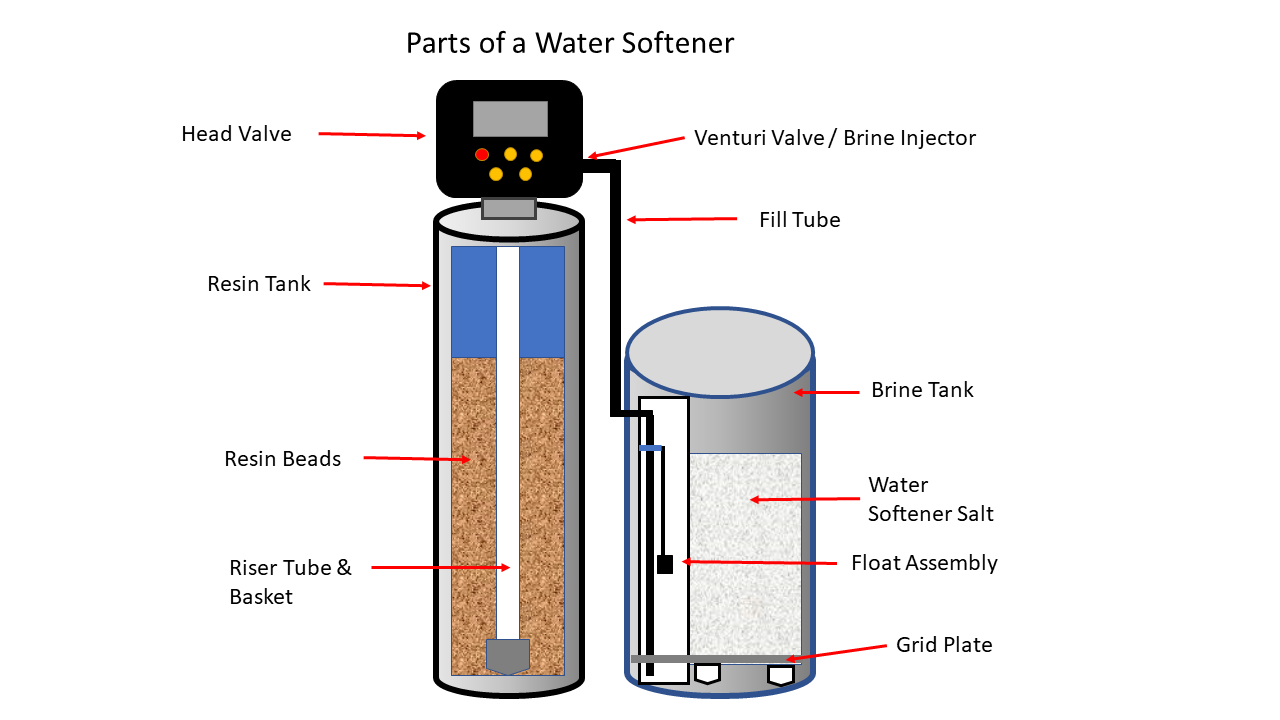
Salt is essential for regeneration. Without enough, your water softener can’t recharge the resin bed, leading to hard water creeping back into your home.
Check Salt Level Monthly
Inspect the brine tank at least once a month. The ideal salt level is between:
- Minimum: 1/4 full
- Maximum: 2/3 full
Staying within this range prevents two common problems:
- Too low leads to incomplete regeneration
- Too high causes salt bridging and overflow
🔍 Visual Cue: Shine a flashlight into the tank. If you see a hard crust with a hollow space underneath, salt bridging has occurred.
Refill Salt and Reset Panel Setting
When levels drop below 1/4, refill with a full bag of salt (typically 40 lbs). Then update the control panel:
- Press Menu or Settings
- Select Salt Level
- Choose the correct level (e.g., 5 or 6, depending on fill)
- Confirm to save
Updating this setting helps the system estimate when regeneration is needed.
Prevent Salt Bridging
Avoid overfilling past the 2/3 mark. Also:
- Use high-purity salt for less residue
- Break up any crust manually if detected
- Stir the salt occasionally if using crystals
💡 Expert Note: Pellets are less prone to bridging than crystals, but only if the salt type setting matches what’s in the tank.
Configure Correct System Settings
Even with clean resin and full salt, incorrect settings can sabotage performance. Verify these three key configurations regularly.
Set Accurate Water Hardness
Hardness must match your local water supply, measured in grains per gallon (gpg).
- Typical range: 15 to 20 gpg
- Find yours by using a test strip, checking municipal reports, or running a lab test
To adjust:
- Enter Settings > Hardness
- Input the correct gpg value
- Save
An incorrect setting causes:
- Too low results in hard water output
- Too high wastes salt and over-regenerates
Match Salt Type to What’s in Tank
Rheem systems support:
- Salt pellets
- Salt crystals
- Salt blocks
Ensure the Salt Type setting matches your choice. Mismatched settings lead to improper brine concentration and inefficient regeneration.
❗ Warning: Never use block salt in a system set for pellets. It can damage internal components.
Confirm Nighttime Recharge Schedule
Regeneration uses water and temporarily bypasses soft water. To avoid disruption:
- Set recharge for 2:00 a.m. (default)
- Confirm the “Recharge Tonight” option activates nightly
Change the time only if 2 a.m. conflicts with other plumbing systems (e.g., sump pumps).
Inspect and Clear Drain Line

The drain line carries wastewater during regeneration. A clog or disconnection can cause leaks or failed cycles.
Check Drain Line Connection
After each maintenance cycle:
- Locate the drain hose (usually 3/4″ PVC or flexible tube)
- Ensure it’s securely seated in the floor drain or standpipe strainer
- Look for kinks, cracks, or pooling water
🔧 Fix Tip: Secure the hose with a zip tie to prevent popping out during discharge.
Prevent Clogs with Regular Cleaning
Flush the drain line every 6 months:
- Disconnect from the softener
- Pour hot water or a mild vinegar solution through it
- Reconnect firmly
Clogs often result from biofilm or sediment buildup, especially in rarely used drains.
Extend Warranty With Consistent Cleaning

Using RHWSC cleaner every four months does more than boost performance. It unlocks warranty protection.
How Warranty Extension Works
- Standard warranty: 1 year (parts and labor)
- Extended warranty: Up to 5 years
- Requirement: Complete clean cycle every 4 months with RHWSC
Skipping even one cycle voids eligibility. Rheem tracks compliance through the control panel’s maintenance log.
Where to Buy RHWSC Cleaner
- Retailer: The Home Depot (exclusive)
- Price: $12 per 12 oz bottle
- Compatibility: Works with all brands and grain sizes
💬 User Benefit: At roughly $36 per year, the cleaner is cheaper than a single service call and it keeps your warranty active.
Avoid Common Maintenance Mistakes

Even experienced homeowners make errors that reduce efficiency or trigger system faults.
Mistake: Ignoring the Clean Reminder
Dismissing the “Clean” message without running the cycle won’t break the unit, but it stops warranty extension and allows buildup over time.
✅ Fix: Treat the alert like a scheduled oil change. Complete it every four months.
Mistake: Overfilling the Brine Tank
Adding salt above the 2/3 line increases bridging risk and may interfere with float sensors.
✅ Fix: Fill to just under the midpoint of the tank after each bag.
Mistake: Using Wrong Salt Type
Mixing salt forms or failing to update the setting confuses the system’s regeneration algorithm.
✅ Fix: Stick to one salt type and verify the panel setting after refills.
Mistake: Skipping Post-Cycle Checks
Failing to inspect the drain line or reset salt levels leads to silent failures.
✅ Fix: Make a post-maintenance checklist:
- Cycle completed?
- Drain secure?
- Salt updated?
- Cover replaced?
Troubleshoot Post-Maintenance Issues
After cleaning or refilling, watch for these red flags.
No Recharge After Pressing Button
- Cause: Power interruption or stuck button
- Fix: Reboot by turning off power for 30 seconds, then retry
Water Still Feels Hard
- Cause: Incorrect hardness setting or low salt
- Fix: Verify settings and check salt level. Run manual recharge if needed.
Leaking Around Brine Tank
- Cause: Loose cover or cracked tank
- Fix: Re-seat the cover firmly and inspect for hairline fractures
Cleaner Not Flushed Through
- Cause: Drain line clog or interrupted cycle
- Fix: Run another cycle and confirm completion
🛠️ Pro Tip: If issues persist, consult the user manual or contact Rheem support with your model number (e.g., RHS32).
Frequently Asked Questions About Rheem Water Softener Maintenance
How often should I run a clean cycle on my Rheem water softener?
Rheem recommends running a clean cycle every four months using RHWSC cleaner. The system displays a “Clean” reminder on models like the RHS32 when it’s time. Skipping cycles won’t break the unit, but it voids eligibility for the extended warranty.
What salt level should I maintain in my Rheem water softener?
Keep salt between 1/4 and 2/3 of the tank capacity. Below 1/4 leads to incomplete regeneration, while above 2/3 increases the risk of salt bridging and overflow.
Where can I buy Rheem Water Softener Cleaner (RHWSC)?
RHWSC is sold exclusively at The Home Depot for approximately $12 per 12 oz bottle. It’s compatible with all brands and grain capacities, not just Rheem units.
What does the extended warranty cover on a Rheem water softener?
The standard warranty covers 1 year of parts and labor. Using RHWSC cleaner every four months extends coverage up to 5 years. Rheem tracks compliance through the control panel’s maintenance log.
Can I use any type of salt in my Rheem water softener?
Rheem systems support pellets, crystals, and blocks. The salt type setting on the control panel must match the form you’re using. Block salt in a pellet-configured system can damage internal components.
How long does a Rheem clean cycle take?
A full clean cycle takes 2 to 4 hours depending on water conditions and system size. The cycle draws cleaner through the resin bed, flushes contaminants, and refreshes the resin beads for optimal ion exchange.
Key Takeaways for Rheem Water Softener Maintenance
Consistent Rheem water softener maintenance comes down to a few simple habits. Run the RHWSC clean cycle every four months to unlock warranty protection up to five years. Keep salt between 1/4 and 2/3 full and update the control panel setting after each refill.
Verify your hardness setting matches local water (typically 15 to 20 gpg) and confirm the salt type setting matches what’s in the tank. Inspect the drain line after each cycle and avoid overfilling the brine tank.
Set calendar reminders every four months and stock up on RHWSC cleaner from The Home Depot. Treat maintenance like clockwork, and your water quality will stay consistent for years to come.