Spotty dishes, dull laundry, and clogged pipes signal that your home suffers from hard water issues. A water softener solves this problem through ion exchange, yet the system fails completely without the correct types of salt for water softener units. Choosing the wrong variety leads to sludge buildup, frequent repairs, and inefficient operation that wastes money.
This guide details every major salt option including rock, solar, pellets, evaporated, and potassium chloride to help you select the right product. You will learn how to avoid costly mistakes like salt bridging, understand purity differences, and maintain your system for years of reliable performance.
Why Rock Salt Damages Water Softeners

Rock salt acts as the cheapest option on the market but carries significant risks for your equipment. Mined directly from underground deposits, this crude mineral contains up to 15 percent insoluble impurities like clay, silt, and dirt. These contaminants settle in your brine tank to create a thick, muddy sludge that clogs valves and damages the resin bed.
The Hidden Costs of Cheap Salt
Using rock salt regularly forces you to clean your brine tank every few months to remove heavy sediment. The accumulated grit can pass into your water supply or cause mechanical failure in critical components. While the initial purchase price is low, the long-term repair costs and reduced efficiency make it a poor financial choice.
When to Use Rock Salt Only
You should only consider rock salt during an emergency when no other options exist. If you must use it, plan to flush the tank and remove all remaining rock salt as soon as you obtain a cleaner grade. Continuing to use it long-term voids warranties and shortens the lifespan of your entire system.
Solar Salt Crystals for Moderate Hardness
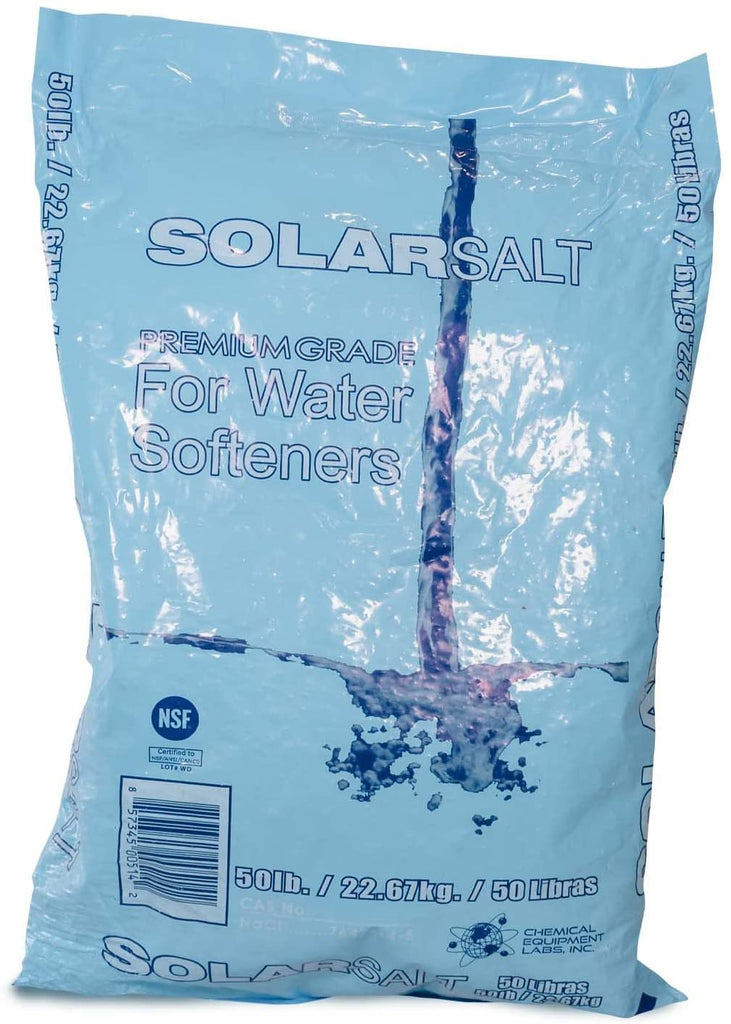
Solar salt crystals offer a balanced solution for most households with moderate water hardness levels. Manufacturers produce this type by evaporating seawater using natural sunlight and wind, resulting in a cleaner product than rock salt. You will often find this variety sold in blue bags labeled as extra coarse solar salt.
Benefits of Using Blue Bag Salt
This salt type dissolves cleanly and leaves minimal residue compared to crude rock alternatives. It is an environmentally friendly choice that works well in standard softener systems across various regions. The coarse texture also makes it easier to break up any salt bridges that may form in the tank.
Monitoring for Dust Accumulation
While cleaner than rock salt, solar salt is not entirely free of impurities. Over several years, fine dust particles can accumulate to form light brown rings or slightly discolored water in the brine tank. Plan to clean your tank every two to three years to maintain peak efficiency and prevent minor performance dips.
Salt Pellets Ensure Consistent Performance

Salt pellets represent the other most common recommendation for residential water softening systems. Manufacturers compress granulated salt into small, uniform cylinders to create a product that dissolves reliably. You can identify these typically in yellow bags, and they often include flow conditioners to prevent clumping.
Advantages of Pellet Formulation
Pellets provide a very clean grade of salt that minimizes sediment buildup in your brine tank. Their uniform size ensures consistent brine concentration during every regeneration cycle. This consistency helps protect the resin bed and maintains optimal softening power for your household water.
Preventing Mushing and Hardening
Low water usage or infrequent regeneration can cause pellets to absorb moisture and collapse into a sludge-like mass called mushing. If this occurs, the system cannot draw brine effectively, leading to hard water symptoms. Switching temporarily to extra coarse solar salt can help clear the tank if mushing becomes a problem.
Evaporated Salt for Extreme Hardness
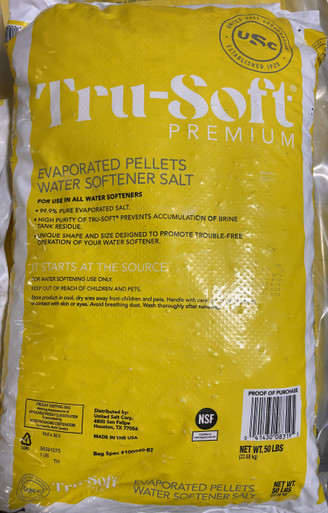
Evaporated salt stands as the purest option available for water softeners with a purity level of 99.99 percent sodium chloride. Production involves boiling saltwater in vacuum chambers to remove all moisture and impurities. This extreme cleanliness makes it the ideal choice for homes facing severe hard water challenges.
Superior Efficiency and Low Maintenance
The high purity of evaporated salt means it leaves almost no residue in the brine tank. You may go years without needing to clean the tank, saving you time and effort on maintenance tasks. This type also eliminates the risk of salt bridging and mushing that plagues lower-grade options.
Cost Versus Value Analysis
Although evaporated salt costs more per bag than solar or pellet varieties, the long-term value is often higher. The reduced maintenance requirements and extended equipment life justify the additional expense for many homeowners. It is particularly effective for systems dealing with water hardness over 10 grains per gallon.
Potassium Chloride as a Sodium-Free Alternative
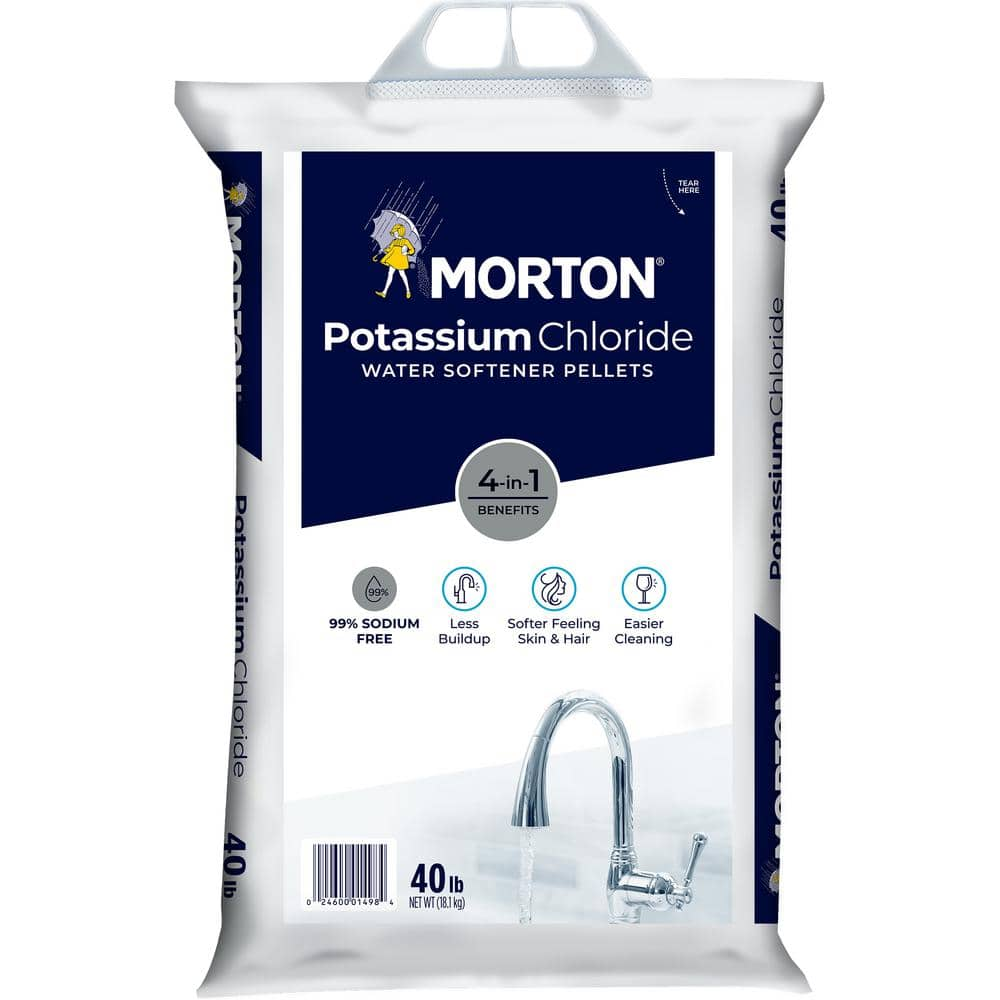
Potassium chloride serves as an excellent alternative for individuals on sodium-restricted diets or those with specific environmental concerns. This product replaces sodium ions with potassium ions during the ion exchange process. You can safely drink water softened with this method without worrying about added sodium content.
Performance Differences and Adjustments
Potassium is approximately 30 percent less efficient than sodium at regenerating resin beads. You may need to increase your hardness setting by 25 percent or use more product per cycle to achieve the same results. Despite the lower efficiency, it remains a viable solution for health-conscious households.
Preventing Cement-Like Hardening
This material is prone to hardening into a cement-like block if exposed to temperature swings in basements or garages. To prevent this issue, place a piece of Styrofoam under the brine tank for insulation. Avoid using it in unheated spaces where freezing or extreme cold might occur.
Iron Fighting Salt for Well Water

Iron fighting salt contains special additives designed to handle water supplies with high iron or manganese content. If your fixtures show orange stains or your water has a metallic taste, standard salt will not suffice. These specialized pellets, often in green bags, include sodium bisulfate or citric acid to clean the resin.
How Additives Protect Resin Beds
The added ingredients break down iron deposits that accumulate on resin beads during normal operation. This cleaning action prevents the resin from becoming fouled and losing its ability to soften water. Regular use extends the life of your resin bed and maintains system efficiency.
Limitations of Iron Fighting Formulas
These products work best when iron levels remain below 3 parts per million. They are not a substitute for a dedicated iron filter if your water contains extremely high concentrations. For severe cases, pair this salt with a pre-filter system for optimal results.
Block Salt Limitations for Modern Systems

Block salt consists of large compressed cubes that dissolve very slowly due to limited surface area. Most modern water softeners require a rapid influx of concentrated brine that block salt cannot provide. Using this type in a standard system leads to weak brine and incomplete regeneration cycles.
Specific System Requirements
You should only use block salt if your manufacturer explicitly states it is compatible with post-fill systems. These specific units keep water in contact with the block for extended periods to allow gradual dissolution. Using blocks in pre-fill systems will result in poor performance and potential damage.
Rules for Choosing and Using Salt
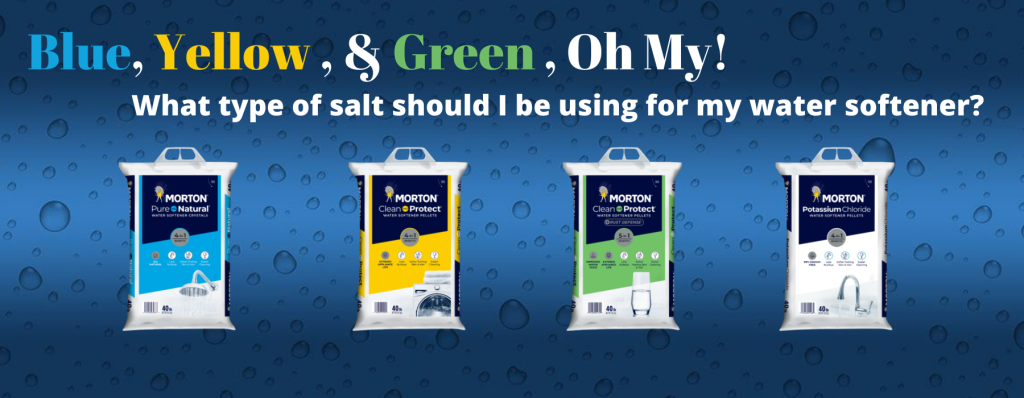
Selecting the right types of salt for water softener applications requires matching the product to your specific water conditions. Avoid rock salt for daily use and never mix different salt forms like crystals and pellets in the same tank. Consistency ensures proper dissolution rates and prevents operational issues.
Guidelines for Switching Types
If you decide to change from pellets to crystals or vice versa, wait until the tank is nearly empty. This practice minimizes the mixing of different dissolution rates that can cause bridging or mushing. Always consult your owner’s manual to ensure your chosen salt meets manufacturer specifications.
Health and Environmental Considerations
Choose potassium chloride if you need to limit sodium intake or protect a septic system. Select solar or evaporated salt if you prioritize minimal maintenance and high efficiency. Your local water quality report can help guide the best decision for your specific situation.
Maintaining Optimal Salt Levels
Proper maintenance involves checking your brine tank at least once every four weeks. Keep the salt level between one-quarter and one-half full to ensure consistent operation. Overfilling the tank can make it difficult to detect and fix salt bridges if they form.
Identifying Salt Bridging Issues
Salt bridging occurs when a hard crust forms over the salt, trapping dry material above the water line. Tap the side of the tank to listen for a hollow sound or look for water sitting above the salt level. Break any bridges gently with a broom handle to restore proper function.
Cleaning Schedule Recommendations
Clean your brine tank every six to twelve months to remove sediment and sludge. Users of evaporated salt may extend this interval to every few years due to the high purity of the product. Regular cleaning prevents clogs in the injector and drain lines.
Frequently Asked Questions About Water Softener Salt
Can I mix different types of salt in my softener?
No, you should avoid mixing crystals and pellets because they dissolve at different rates. Mixing types can cause uneven brine concentration and lead to mushing or bridging issues. Stick to one type until the tank is nearly empty before switching.
How often do I need to clean my brine tank?
Most homeowners should clean their brine tank every six to twelve months. If you use evaporated salt, you may only need to clean it every few years. Rock salt users must clean their tanks much more frequently due to high sediment levels.
Is potassium chloride safe for drinking water?
Yes, water softened with potassium chloride is safe to drink and adds no sodium to your supply. It is an excellent choice for people on low-sodium diets or those with specific health concerns. However, it costs significantly more than standard sodium chloride options.
Why is my water softener not using salt?
This issue often indicates salt bridging where a hard crust prevents salt from falling into the water. Check the tank for a hollow space beneath the top layer and break up any crust you find. Low water levels or a clogged injector can also cause this problem.
Which salt type is best for very hard water?
Evaporated salt is the best choice for very hard water due to its 99.99 percent purity. It dissolves completely without leaving residue that could clog your system. This high efficiency ensures your softener can handle the heavy demand of extreme hardness.
Key Takeaways for Selecting Types of Salt for Water Softener Systems
Choosing the correct types of salt for water softener units determines the longevity and efficiency of your home water treatment. Evaporated salt offers the highest purity for severe hardness, while solar salt provides a cost-effective balance for average homes. Avoid rock salt for daily use and never mix different salt forms to prevent system damage.
Inspect your brine tank monthly and maintain proper salt levels to ensure consistent performance. Break any salt bridges immediately and clean the tank annually to remove sediment buildup. Following these guidelines will keep your water soft running smoothly and protect your appliances from scale damage.