
Is your Whirlpool water softener delivering hard water despite a full salt tank? You likely need immediate Whirlpool water softener maintenance to clear mineral buildup and restore efficiency. Ignoring iron or manganese deposits can clog your valve and ruin resin beads permanently.
This guide reveals the exact four-month cleanser schedule required to extend your warranty up to ten years. You will learn how to apply acidic cleanser correctly, choose the right salt, and fix common salt bridging issues. Follow these steps to ensure your system runs smoothly for a decade.
Apply Acidic Cleanser Every Four Months
Your water contains iron and manganese that standard regeneration cycles cannot remove. These minerals stick to resin beads and create sludge that reduces flow. An acidic water softener cleanser dissolves this buildup to restore porosity.
Why Your System Needs Chemical Cleaning
Standard softening exchanges sodium for calcium but leaves trace metals behind. Over time, these traces form a hard scale inside the valve and on the resin bed. This scale prevents the resin from contacting hard water effectively. Regular acid cleaning is the only way to dissolve these stubborn deposits.
Step-by-Step Cleanser Application
Follow this precise method to ensure the solution reaches the critical internal components.
- Wait for low salt levels in the brine tank to create proper water dynamics.
- Open the main lid and remove the specific cover over the brine well.
- Pour 16 ounces of cleanser directly into the brine well, not the salt storage area.
- Replace all covers securely before starting the cycle.
- Press and hold the “Recharge” button for exactly three seconds to force regeneration.
- Wait two hours before using any water to allow the acid to dwell and work.
Critical Cleanser Mistakes to Avoid
- Using household acids: Vinegar or bleach can damage internal seals and void your warranty.
- Pouring into the salt pile: The cleanser must enter the brine well to draw properly during the cycle.
- Using water too soon: Running taps interrupts the cleaning process and may send acid to your fixtures.
Extend Your Warranty to 10 Years
Proper maintenance does more than clean your unit; it significantly increases your coverage period. Whirlpool offers extended warranties for owners who prove they follow the maintenance schedule. This protection can save you hundreds in future repair costs.
Warranty Extension by Model
Different series offer varying levels of extended coverage when you use approved cleanser every four months.
- Standard Series (WHES30, WHES40): Extends from 1 year to 5 years on parts and labor.
- Pro Series (WHESFC): Extends from 2 years to 10 years on parts and labor.
- EcoPure Models (EP31, EP42): Extends from 1 year to 5 years on parts only.
Prove Compliance With Receipts
You must register your unit online to activate warranty reminders. Keep physical or digital copies of every cleanser bottle receipt you purchase. Without proof of purchase for both the unit and the cleanser, your claim for extended coverage may be denied.
Choose the Right Salt Type
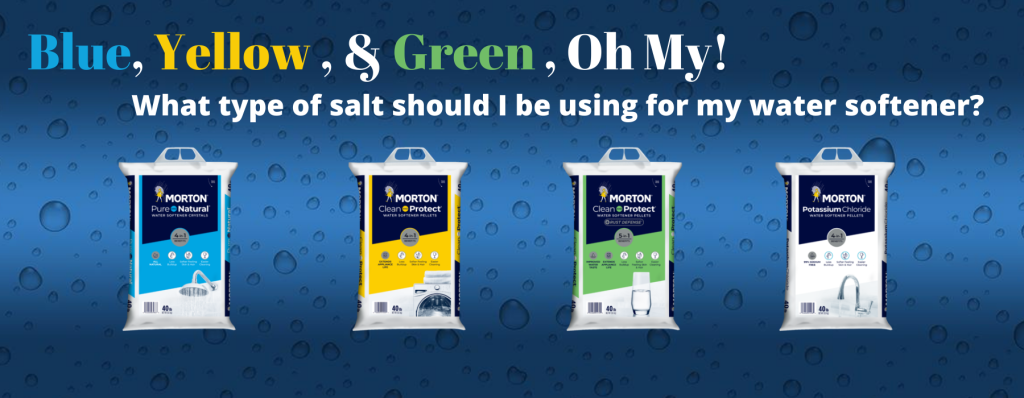
The type of salt you use directly impacts how often you need to clean the tank. High-purity options reduce sludge and prevent clogs in the brine well. Selecting the wrong salt can double your maintenance workload.
Benefits of Evaporated Salt
Evaporated salt is 99.9% pure sodium chloride and produces almost no residue. This purity prevents the formation of muddy sludge at the bottom of your tank. While it costs more upfront, it saves time and money by reducing the need for tank scrubbing.
Comparing Salt Options
- Rock Salt: Least expensive but creates heavy sludge due to high insoluble content.
- Solar Salt: Mid-range purity that works for average use but leaves some residue.
- Potassium Chloride: A sodium-free alternative for health-conscious households, though more expensive.
Prevent and Fix Salt Bridging

A salt bridge occurs when a hard crust forms across the top of the salt pile. This arch separates the salt from the water below, stopping brine production entirely. Your softener will appear full yet fail to soften water.
Identify Salt Bridge Symptoms
- The unit runs regeneration cycles but water remains hard.
- Salt levels look unchanged over long periods despite usage.
- You see water at the bottom of the tank but no dissolving salt.
How to Break a Salt Bridge
- Select a blunt tool like a broom handle to avoid puncturing the tank liner.
- Push down gently through the salt mass to crack the hard crust.
- Stir the salt slightly to help pieces fall into the water below.
- Wait 2 to 4 hours for the salt to dissolve before forcing a regeneration.
Optimize Installation Environment
Where you place your softener affects how often you face maintenance issues. Humidity and temperature play major roles in salt performance and component longevity.
Control Humidity Levels
Install your unit in a dry, climate-controlled area like a basement or utility room. High humidity causes salt to cake and form bridges more frequently. Avoid damp locations where condensation can settle on the salt pile.
Address Iron in Water Supply
If your water has a metallic taste or leaves rust stains, it contains iron. Even small amounts accelerate resin fouling and require strict adherence to the four-month cleanser schedule. Consider installing a pre-filter if iron levels exceed 1 ppm.
Follow a Strict Maintenance Schedule
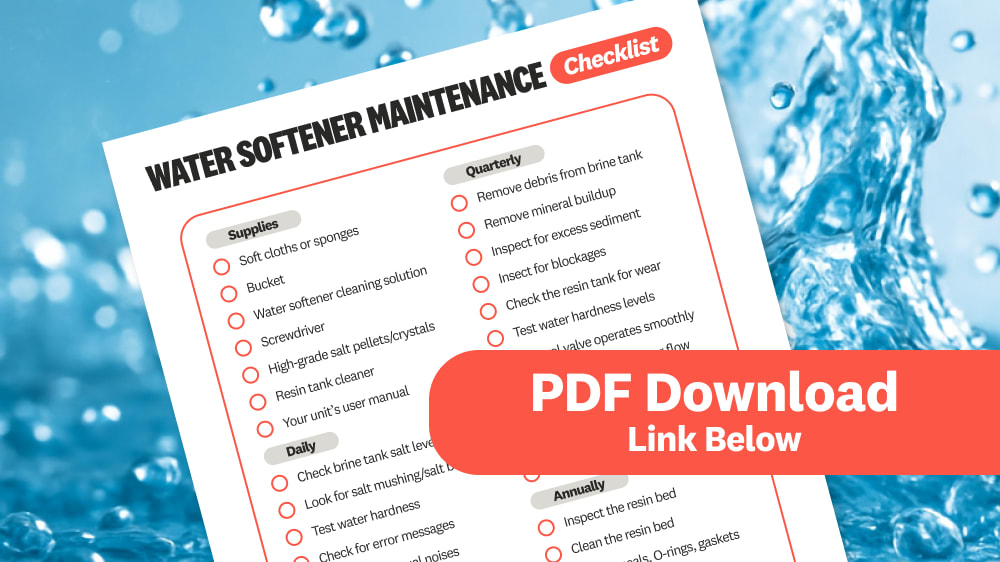
Consistency is the most important factor in Whirlpool water softener maintenance. A simple calendar system ensures you never miss a critical step.
Monthly Tasks
- Check salt levels weekly at first to learn your usage rate.
- Refill the tank when salt drops below the halfway mark.
- Inspect for early signs of bridging or clumping.
Quarterly Tasks
- Purchase a new bottle of manufacturer-approved cleanser.
- Perform the 16-ounce pour and manual regeneration cycle.
- Save the receipt for warranty validation purposes.
Annual Tasks
- Inspect the brine tank for thick mud or excessive sludge.
- Check all connections for leaks or cracks.
- Clean the brine well if residue buildup is visible.
Troubleshoot Common Performance Issues
Even with good care, issues can arise. Knowing how to diagnose them quickly prevents long periods of hard water usage.
No Soft Water Despite Full Salt
Check for a salt bridge first, as this is the most common cause. Verify that the unit is actually running its regeneration cycle by checking the timer. Test your water hardness with strips to confirm the issue.
Unit Fails to Regenerate
Unplug the unit for ten seconds and reconnect it to reset the electronics. Ensure the time of day and regeneration settings are correct. Try forcing a manual recharge by holding the button for three seconds.
Musty Odors in Water
Drain and wipe the brine tank if you see slime or smell odors. Run a full cleanser cycle to eliminate organic buildup inside the resin bed. Flush the system by running water for several minutes after cleaning.
Maximize Longevity and Performance
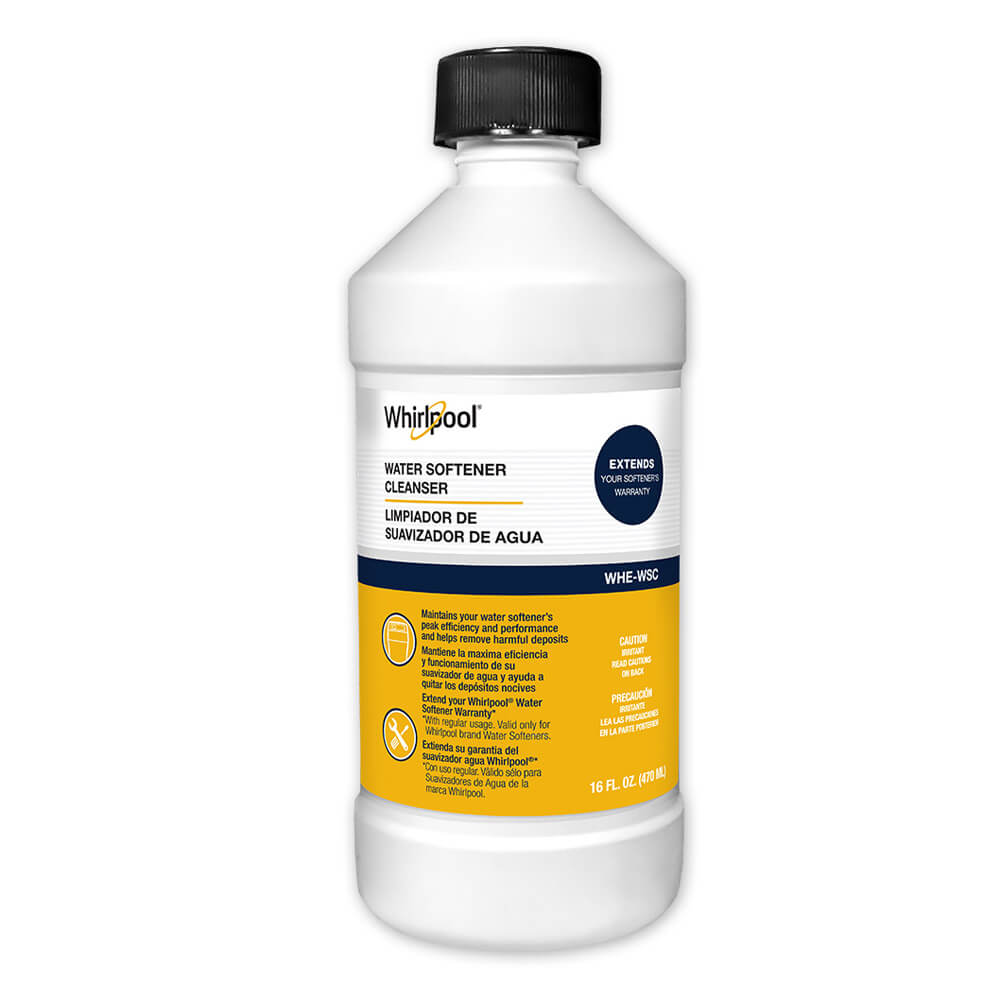
Your softener is an investment that pays off with consistent care. Using OEM-approved products ensures compatibility and protects your warranty status.
Stick to Approved Products
Use only Whirlpool, EcoPure, or Kenmore-branded cleansers. Generic acids may have different concentrations that could damage seals or fail to clean effectively. Using unapproved products risks voiding your extended warranty coverage.
Set Automated Reminders
Technology can help you stay on track. Set recurring alerts on your phone for salt checks and cleanser applications. Consistent attention prevents small issues from becoming expensive repairs.
Frequently Asked Questions About Whirlpool Water Softener Maintenance
How often should I add cleanser to my Whirlpool softener?
You must add a 16-ounce bottle of acidic cleanser every four months. This schedule is critical for removing iron and manganese buildup that standard cycles miss. Sticking to this timeline is also required to maintain your extended warranty coverage.
Can I use vinegar instead of water softener cleanser?
No, never use vinegar or household cleaners as a substitute. Only manufacturer-approved acidic cleansers have the correct formulation to clean the resin without damaging internal seals. Using unauthorized chemicals may void your warranty.
Why is my salt tank full but the water still hard?
You likely have a salt bridge preventing the salt from dissolving into brine. Use a broom handle to gently break the hard crust forming inside the tank. Once broken, wait a few hours for the salt to dissolve before regenerating.
Does using evaporated salt really make a difference?
Yes, evaporated salt is 99.9% pure and creates minimal sludge compared to rock salt. This purity reduces the frequency of tank cleanings and prevents clogs in the brine well. It is the recommended choice for optimal system longevity.
How do I prove I maintained my softener for the warranty?
You must keep receipts for every bottle of cleanser purchased every four months. Register your unit online upon installation to receive maintenance reminders and track your coverage. Present these receipts along with your unit purchase proof if you file a claim.
Key Takeaways for Whirlpool Water Softener Maintenance
Proper Whirlpool water softener maintenance relies on a simple four-month cleanser schedule and high-quality salt. By pouring 16 ounces of acidic cleanser into the brine well regularly, you prevent mineral buildup and extend your warranty up to ten years. Avoid salt bridges by controlling humidity and using evaporated salt pellets.
Start your maintenance routine today by checking your salt levels and scheduling your next cleanser application. Save your receipts and register your unit to secure your extended coverage. Your system will reward this consistency with years of reliable, soft water.