
When your commercial water softener fails, your business faces costly downtime and damaged equipment. Hard water infiltration causes scale buildup in pipes and reduces boiler efficiency immediately.
This guide helps you diagnose common issues and repair your system quickly to minimize disruption. You will learn to identify failure signs, troubleshoot key components, and implement a maintenance plan.
Recognize Early Warning Signs of Failure
Catching problems early prevents total system failure and expensive emergency repairs. Monitor your facility for consistent changes in water quality and equipment performance daily.
Spot Visual and Sensory Clues
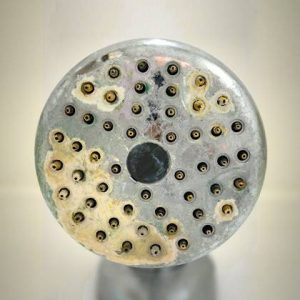
Visible residue on glassware or spots on showerheads means hardness minerals are slipping through. Stiff laundry and increased soap usage signal ineffective softening in your operations. Staff complaints about dry skin after washing hands point to poor ion exchange. These are red flags that your system is not regenerating properly.
Track Performance Drops
A noticeable drop in water pressure often means clogged resin beds or scale buildup in valves. Unusual noises like gurgling during regeneration suggest air in lines or control valve issues. If the brine tank overflows or water tastes salty, brine draw cycles may be failing. Persistent hard water after regeneration typically points to resin degradation.
Diagnose Critical Failure Modes Quickly

Not all softener problems look the same. Pinpointing the exact failure type speeds up repair and reduces guesswork for your maintenance team.
Address Insufficient Softening
When water remains hard despite regeneration, check the resin bed capacity immediately. Old or contaminated resin loses its ability to exchange calcium and magnesium ions effectively. Test output water hardness with a digital meter to confirm levels. If levels exceed 1 to 3 grains per gallon, regeneration is not working or resin is spent.
Stop Regeneration Failures
If the system skips cycles, first confirm the power supply is active. Check the timer or control board for specific error codes. Manually initiate a regeneration cycle to see if the motor engages. No brine draw means the injector or venturi may be clogged. No backwash suggests a faulty solenoid valve or blocked drain line.
Fix Brine Tank Problems
Salt bridges form hard crusts across the tank and prevent salt from dissolving. Break them up by hand or with a broom handle carefully. Salt mushing creates sludge at the bottom that blocks brine pickup. Drain the tank, remove remaining salt, and vacuum out debris thoroughly. Refill with pellet salt to reduce future bridging risks.
Resolve Control Valve Defects
Control valves manage water flow during service and regeneration cycles. Leaks around the valve body indicate worn seals or O-rings. Disassemble carefully and lubricate moving parts with silicone grease. If the valve does not rotate through cycles, the drive gear may be stripped. Replace faulty components or the entire valve head if necessary.
Restore Lost Pressure
Severe pressure drops usually mean blockages within the system. Start with the resin tank because channeling restricts flow significantly. Backwash the system manually to flush trapped sediment out. If pressure does not improve, inspect inlet filters and hoses for scale. Use a pressure gauge before and after the softener to isolate the restriction point.
Inspect Key Components Systematically
A methodical inspection ensures no part is overlooked and repairs are lasting. Follow this order to check your commercial water softener components.
Drain and Clean the Brine Tank
Turn off water and power before starting work. Disconnect the brine line and drain remaining water completely. Remove all salt from the tank interior. Scrub the tank with a brush or industrial vacuum to eliminate sludge. Rinse thoroughly and reinstall before refilling with fresh salt.
Unclog the Ejector and Injector
Shut down the system completely. Locate the injector assembly near the control valve. Remove it using a wrench carefully. Soak the parts in vinegar for 30 minutes to dissolve mineral deposits. Use a small wire to clear the nozzle gently. Reinstall and test with a manual cycle to ensure proper suction.
Test Control Valve Operation
Check for leaks at all connection points. Disassemble the valve according to manufacturer specifications. Inspect seals, pistons, and rotors for cracks or wear. Lubricate all moving parts with food-grade silicone grease. If the motor hums but does not rotate, replace the gear pack.
Assess Resin Bed Health
Take a resin sample from the top of the tank. Healthy resin beads are uniform and amber-colored. Dark or slimy beads indicate fouling or degradation. If more than 20 percent of beads are damaged, replacement is needed. For iron fouling, use a resin cleaner designed for commercial systems.
Optimize Service Flow Rates
High flow rates reduce contact time between water and resin. Check system specs as most units operate best at specific gallons per minute. Install a flow meter if you are unsure of current rates. Adjust inlet valves to stay within rated capacity. Excessive flow increases pressure drop and strains pumps.
Follow Step-by-Step Repair Procedures

Use this proven sequence to safely and effectively restore system function. Adhere to these steps for a successful commercial water softener repair.
Isolate the System Safely
Shut off the main water supply and power source. Close bypass valves to prevent unsoftened water from entering the line. Relieve pressure by opening a downstream faucet. Tag the system to prevent accidental restart during repair. Have towels ready for spills because brine leaks are corrosive.
Evaluate the Brine Tank
Inspect salt levels and keep the tank at least half-full. Look for bridging or mushing issues. Drain and clean annually or more often in high-use facilities. Verify the brine well is not cracked. Ensure the float mechanism moves freely before reconnecting lines.
Inspect Hoses, Valves, and Tanks
Check all connections for leaks or corrosion. Replace cracked hoses immediately with reinforced lines. Examine tank exteriors for bulges or moisture. Tighten fittings but avoid over-torquing plastic components. This prevents future leaks and structural failures.
Run Pressure and Cycle Tests
Reopen water supply slowly. Monitor inlet and outlet pressure gauges closely. A drop of more than 10 psi indicates a blockage. Initiate a manual regeneration cycle. Watch for proper sequence including backwash and brine draw phases.
Verify Repair Success
Collect a water sample after regeneration completes. Test hardness with a digital meter or test strips. Confirm levels are below 1 grain per gallon. Taste the water to ensure no salty aftertaste remains. Check downstream equipment for improved performance.
Prevent Future Breakdowns Proactively
Most softener failures are preventable with a disciplined maintenance plan. Implement these strategies to extend system life.
Stick to a Maintenance Schedule
- Monthly: Check salt levels, inspect for leaks, and listen for unusual noises.
- Every 6 Months: Test water hardness, inspect hoses, and verify cycle timing.
- Annually: Schedule professional servicing for deep cleaning and diagnostics.
Perform Essential Maintenance Tasks
Clean the brine tank every 12 months to prevent sludge buildup. Lubricate valve seals and moving parts biannually. Replace inlet filters quarterly if feeding from well water. Monitor resin condition as most last 7 to 10 years. Adjust regeneration frequency based on actual water consumption.
Optimize System Settings
Program the control valve with accurate hardness levels. Use demand-initiated regeneration if usage varies daily. This reduces salt and water waste significantly. Update settings after facility expansions or equipment changes. Proper settings ensure consistent soft water output.
Know When to Call a Professional
Some issues exceed in-house capabilities and require expert intervention. Recognize these signs to avoid further damage.
Seek Expert Help for Complex Issues
Persistent hard water after troubleshooting likely means internal faults. Degraded resin or failed control boards need specialized tools. If pressure loss continues after cleaning, a pro can hydro-jet lines. They can also replace the resin bed efficiently.
Trust Certified Technicians for Major Repairs
Professionals handle motor replacements and electrical diagnostics safely. They service all major brands like Culligan and Kinetico. Most offer 24/7 emergency service to minimize downtime. This is critical for food service or healthcare facilities.
Prepare for Service Visits
Clear access to the softener unit completely. Remove stored items from around the unit. Ensure lighting is adequate for the technician. Have recent water tests and maintenance logs ready. Note any error codes or unusual sounds for faster diagnosis.
Maximize System Lifespan and Efficiency

With proper care, commercial water softeners last 10 to 15 years. Regular maintenance is non-negotiable in hard water regions.
Extend Equipment Longevity
Prevent scale in boilers and dishwashers by ensuring consistent soft water. This reduces maintenance costs across your facility. Use high-purity salt to minimize tank sludge. Install pre-filters for iron if your source water demands it.
Reduce Operational Costs
Efficient softeners use less salt and water during regeneration. Optimized systems lower energy bills significantly. Scale-free heating elements transfer heat more efficiently. Fewer appliance repairs deliver significant ROI over time.
Ensure Business Continuity
Downtime from softener failure disrupts operations severely. A proactive repair strategy keeps your business running smoothly. Partner with a reliable service provider for emergency support. This is especially important in high-mineral areas.
Frequently Asked Questions About Commercial Water Softener Repair
How often should I clean my commercial brine tank?
You should clean the brine tank annually to remove salt sludge and debris. High-use facilities may need cleaning every six months to prevent bridging. Regular cleaning ensures proper brine saturation for regeneration cycles.
Why is my water still hard after regeneration?
This usually indicates degraded resin or a clogged injector preventing brine draw. Check for salt bridges in the tank or low salt levels. If resin is old, it may need replacement to restore softening capacity.
What causes low water pressure in a softener system?
Low pressure often results from clogged resin beds or scale buildup in pipes. It can also indicate a blocked inlet filter or valve malfunction. Testing pressure before and after the unit helps isolate the blockage location.
When should I call a professional for repairs?
Call a pro for persistent hard water, severe pressure loss, or electrical failures. Internal repairs like resin replacement require specialized tools and expertise. Professional technicians can diagnose complex issues quickly to minimize downtime.
How long does a commercial water softener last?
With proper maintenance, these systems typically last 10 to 15 years. Hard water conditions may reduce lifespan if upkeep is neglected. Regular servicing and part replacements extend operational life significantly.
Key Takeaways for Effective Commercial Water Softener Repair
Successful commercial water softener repair relies on early detection and systematic troubleshooting. Addressing warning signs like low pressure or salty taste prevents major system failures. Regular maintenance of the brine tank and resin bed ensures long-term efficiency.
Implement a strict schedule for cleaning and inspection to avoid costly downtime. Know your limits and call certified technicians for complex internal repairs. Proactive care protects your business operations and extends equipment life significantly.