
You check your brine tank and see the salt level has not dropped in weeks. Hard water spots are returning to your dishes, yet the salt remains stuck. This stagnation often means your system is not creating brine properly.
A static salt level usually points to salt bridging, mushing, or low water usage rather than total system failure. You can often fix these issues by breaking crusts, cleaning sludge, or adjusting your salt type. This guide explains how to diagnose why your water softener salt is not going down and how to restore efficient operation.
Identify and Break a Salt Bridge
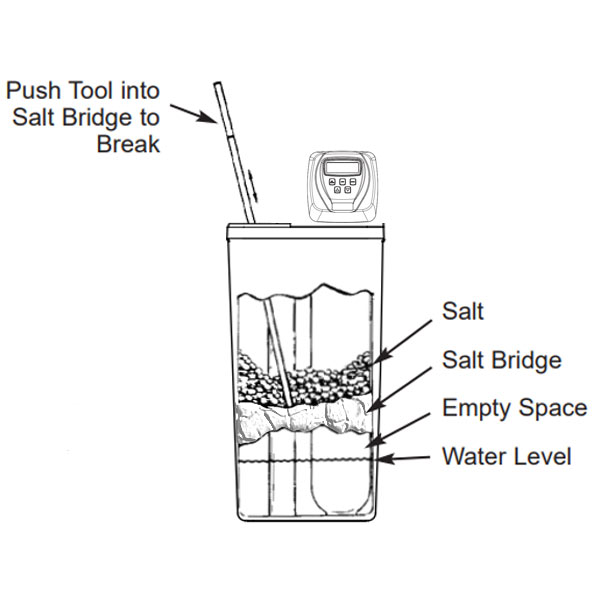
A salt bridge is the leading cause of salt failing to dissolve. This issue occurs when a hard, crusty layer forms across the top of the salt pile. This crust seals the water below from reaching fresh salt, stopping the brine creation process entirely.
Recognize the Signs of Bridging
You can often spot a bridge before touching the tank. The brine tank appears full, yet no water seems to mix with the salt below the surface. You might hear a hollow sound when tapping the side of the tank with your hand. If regeneration fails repeatedly, a bridge is likely preventing brine solution formation.
Steps to Safely Break the Crust
- Turn off the softener at the control panel to stop unexpected cycles.
- Remove the lid and visually inspect the salt surface for cracks or gaps.
- Use a broom handle or plastic rod to gently probe the salt layer.
- Apply light pressure to crack the crust if it feels solid but hollow underneath.
- Remove any wet or clumped salt chunks after breaking the bridge.
- Restart the system and manually initiate a regeneration cycle to test flow.
Pro Tip: Wait 24 hours after breaking a bridge before checking levels again. The system needs time to draw water and dissolve the newly exposed salt.
Eliminate Salt Mushing in the Brine Tank

Salt mushing differs from bridging because it occurs at the bottom of the tank. Instead of a hard top layer, the salt dissolves unevenly and forms a thick, gooey sludge. This sludge prevents fresh water from circulating through the salt pile effectively.
Detect Mushing Symptoms
Look for a wet, gooey mass sitting below the salt surface. Water may sit on top of the salt without absorbing into the pile. Your softener will fail to regenerate even though visible salt remains in the tank. This condition often stems from using low-purity rock salt with many impurities.
Clean and Prevent Sludge Buildup
- Shut off power and water supply to the softener unit immediately.
- Remove all salt and standing brine water from the tank completely.
- Flush the tank with clean water to remove all traces of sludge.
- Inspect the tank bottom for any remaining residue or debris.
- Refill the tank with high-purity evaporated pellets only.
- Restore power and run a manual regeneration cycle to verify function.
Warning: Never pour bleach or harsh cleaning agents into the brine tank. These chemicals can damage internal components and contaminate your household water supply.
Verify Household Water Usage Patterns
Sometimes the salt is going down, but the process is just very slow. Low household water use can delay regeneration cycles significantly. If your system relies on demand, it waits for specific water volume before triggering a cycle.
How Usage Impacts Cycles
Most softeners regenerate based on total water consumption recorded by the meter. If you have been away on vacation or have fewer people in the home, regeneration may not have triggered yet. Timer-based models cycle weekly, but demand-initiated units wait for usage thresholds.
Diagnose Low-Use Scenarios
Check the control panel for the “days since last regeneration” metric. Look for a regeneration indicator or status light that shows recent activity. Manually initiate a regeneration to see if the salt draw begins immediately. If the system regenerates but salt still does not go down, the issue is mechanical.
Expert Note: If your system completes a cycle but salt levels remain unchanged, the problem lies with brine creation, not your water usage habits.
Test Brine Tank Water Levels

The correct water level is critical for salt to dissolve and form the necessary brine solution. Without enough water, the salt cannot dissolve. Too much water can indicate a different set of mechanical failures.
Determine Ideal Water Volume
You should see 6 to 12 inches of water in the tank, though salt may hide it. Water must be present before the regeneration cycle begins. If the tank is dry, the system cannot create brine. If it is overflowing, the fill cycle is not stopping.
Troubleshoot Water Level Issues
- Check the brine valve and injector for clogs if the tank is dry.
- Inspect the control valve for a stuck float or faulty seal preventing intake.
- Verify the drain line is clear, as a blockage can stop the fill cycle.
- Turn off the system and check for a stuck float if the tank overflows.
- Clean the brine line and ensure the venturi is not clogged with debris.
Visual Cue: If the tank fills with water rapidly and salt dissolves too fast, you may have a control valve leak requiring professional repair.
Upgrade to High-Purity Salt Types
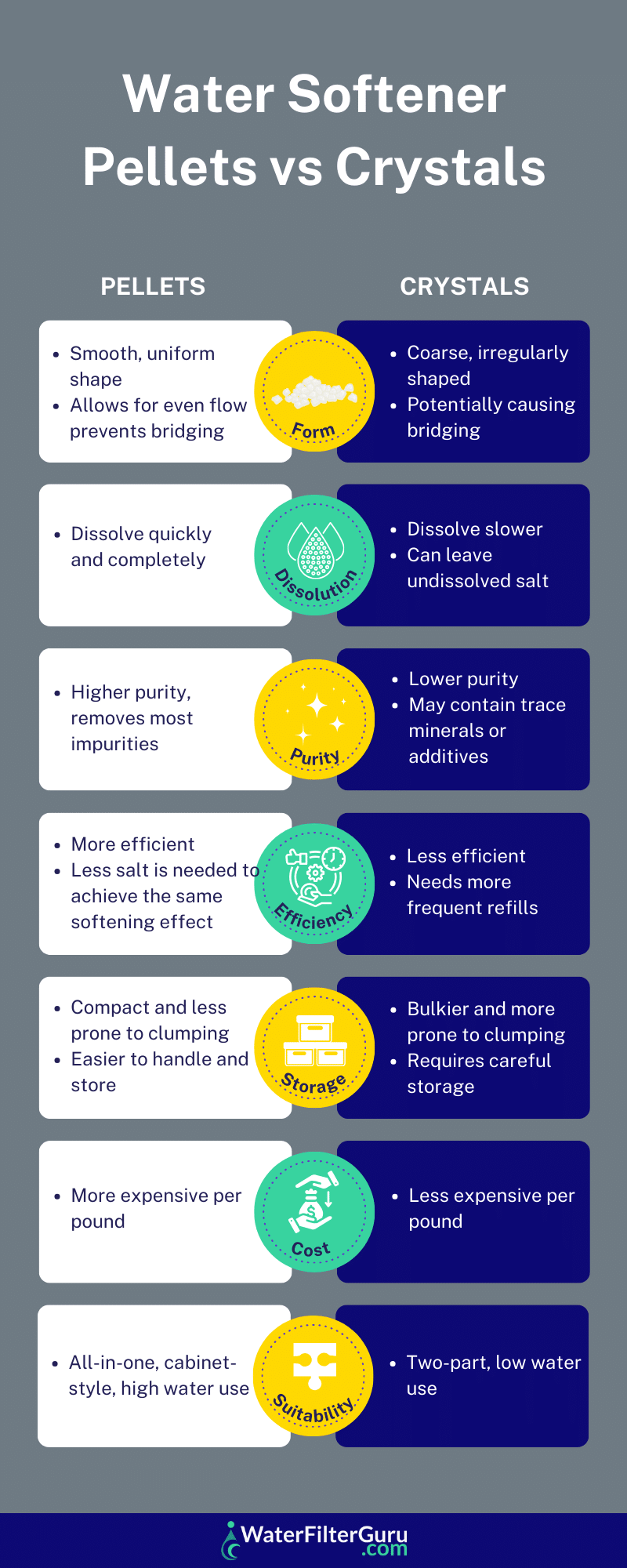
The kind of salt you use directly impacts the likelihood of bridging and mushing. Lower quality salts contain more insoluble materials that create sludge and crusts. Upgrading your salt type is a proactive fix for recurring issues.
Compare Salt Options
- Rock Salt: Contains 85–90% purity with high risk of bridging and mushing. Best for budget use but not recommended for efficiency.
- Solar Salt: Offers 95–98% purity with medium risk of issues. Suitable for moderate climates with low humidity.
- Evaporated Pellets: Provides 99.5%+ purity with low risk of bridging. Ideal for humid areas and high-efficiency systems.
Benefits of Evaporated Pellets
Highest purity means fewer insoluble residues remain in the tank. The uniform shape of pellets allows them to dissolve evenly without clumping. These pellets are less likely to form bridges or sludge compared to rock salt. In humid climates, evaporated pellets are essential to prevent moisture acceleration.
Inspect Mechanical Components for Failure
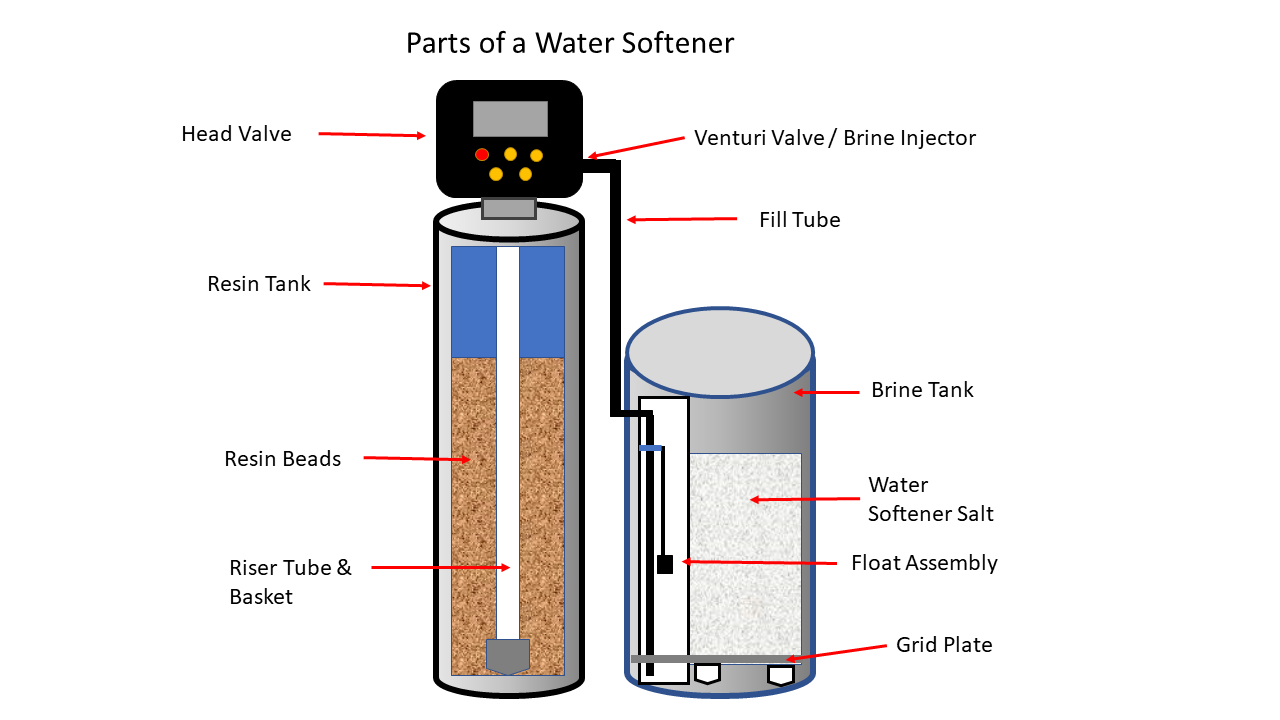
If salt and water levels appear normal but regeneration still fails, internal parts may be stuck. Mechanical issues prevent the system from drawing brine even when salt is ready.
Key Parts to Examine
A stuck float assembly can prevent water from entering the brine tank entirely. Salt chunks or sludge often jam this component. Remove the float, rinse it under clean water, and reinsert it carefully.
A clogged brine line or injector blocks brine draw during the regeneration phase. Disconnect the line and flush it with vinegar or use compressed air to clear obstructions. A faulty control valve manages the entire cycle and may fail to initiate brine draw. Look for error codes or unusual noises as signs of valve failure.
Warning: Do not disassemble the control valve unless you are trained. Internal seals are delicate and easily damaged by improper handling.
Manually Initiate a Regeneration Cycle
Forcing a cycle is the best way to test if salt begins to dissolve after repairs. This step confirms whether your troubleshooting efforts were successful.
Steps to Start Manual Regeneration
- Access the control panel on your water softener unit.
- Press and hold the “Regen” or “Next” button per your model manual.
- Wait 5 to 10 minutes for the system to enter the brine draw phase.
- Listen for a gurgling sound indicating brine is being pulled from the tank.
- Check the salt level again after 24 hours to confirm reduction.
Note: Some systems take 2 to 3 days to show visible salt reduction after a successful cycle. Be patient before assuming the fix failed.
Prevent Future Salt Dissolution Problems
Regular maintenance keeps your softener running smoothly and prevents salt from getting stuck. Simple checks can save you from costly repairs or water hardness issues later.
Monthly Maintenance Checklist
- Inspect salt level and keep it one-third to one-half full above water line.
- Look for crusty surfaces or wet sludge forming on top of the salt.
- Clean the brine tank every 2 to 3 years to remove accumulated residue.
- Use only high-purity evaporated salt to minimize impurities.
- Ensure the tank lid is sealed tightly to block humidity and moisture.
When to Call a Professional
Contact a licensed technician if the tank is constantly dry or overflowing. Seek help if you have fixed bridging and mushing but salt still does not go down. Error codes on the display or repeated regeneration failures also require expert diagnosis.
Final Note: Licensed technicians can diagnose complex valve issues, test brine draw accuracy, and ensure your system is calibrated correctly for your home.
Frequently Asked Questions About Water Softener Salt Issues
How often should salt levels go down in a softener?
Salt levels typically drop once a month for an average household. Usage varies by family size and water hardness, so some homes may see faster consumption. If levels do not drop after 4 to 6 weeks, investigate potential bridging or mechanical faults.
Can I use table salt in my water softener?
No, you should never use table salt in a water softener. Table salt contains additives like iodine and anti-caking agents that can damage the resin bed. Always use salt specifically formulated for water softeners, such as evaporated pellets.
Why is there water in the salt tank but no salt dissolving?
This usually indicates a salt bridge or mushing problem preventing contact between water and salt. It can also mean the injector is clogged or the brine valve is malfunctioning. Break any crusts and clean the tank to restore proper dissolution.
Is it normal for salt to form a hard crust on top?
No, a hard crust is not normal and indicates a salt bridge. This condition stops the softener from making brine and requires immediate attention. Break the crust gently and consider switching to higher purity salt to prevent recurrence.
What happens if I ignore salt bridging?
Ignoring a salt bridge means your system stops softening water entirely. You will experience hard water symptoms like scale buildup and soap scum immediately. Long-term neglect can lead to mechanical strain on the control valve and resin bed damage.
Key Takeaways for Fixing Water Softener Salt Not Going Down
Water softener salt not going down is most often caused by salt bridging or mushing. Breaking crusts, cleaning sludge, and upgrading to evaporated pellets usually resolves the issue quickly. Regular maintenance and monitoring water levels prevent these problems from returning.
If manual regeneration fails to lower salt levels, mechanical components like the float or control valve may need repair. Professional service is recommended for complex internal failures or persistent error codes. Keeping your system maintained ensures consistent soft water and extends the life of your unit.