
If your water softener is making loud noise, you are likely dealing with more than just a minor annoyance. Sounds like grinding, banging, or constant gurgling often signal mechanical stress, installation errors, or internal blockages that require immediate attention. Ignoring these auditory warnings can lead to reduced efficiency, water leaks, or complete system failure over time.
This guide helps you distinguish between normal regeneration sounds and critical malfunctions. You will learn how to identify specific noise types, tighten loose components, and clear air traps to restore quiet operation. Whether the issue involves high water pressure or a failing motor, these steps provide a clear path to fixing the problem without always needing a plumber.
Decode Normal vs. Abnormal Water Softener Sounds

Not every sound indicates a broken machine. Your water softener cycles through a regeneration process roughly every three days to clean the resin bed. This necessary function involves moving water and shifting valves, which naturally creates noise.
Identify Normal Regeneration Noises
During the standard 60-minute regeneration cycle, your system may reach noise levels up to 80 decibels. This volume is comparable to a running washing machine and is considered normal for specific phases.
- Gurgling: Occurs during the backwash phase as water reverses flow through the resin.
- Clicking and Clunking: Happens when internal valves shift positions to direct water flow.
- Hissing: Distinctive sound during the brine draw as saltwater enters the system.
- Flowing Water: Audible during the final rinse phase.
These sounds are typical if they occur infrequently or during scheduled nighttime cycles. Single-column units often run at night to minimize disruption, while double-column systems may regenerate based on demand.
Recognize Critical Warning Signs
Certain sounds indicate immediate mechanical failure or safety hazards. You should investigate these noises right away rather than waiting for the next cycle.
- Grinding: Suggests worn gears or impending motor failure.
- Loud Banging: Indicates water hammer or significant trapped air pockets.
- Squealing: Points to worn valve seals or friction in moving parts.
- Trickling: Often signals a leak in the brine line or drain connection.
- Humming: Means the motor is struggling to start or is electrically compromised.
- Silence: Complete lack of sound during a scheduled regeneration indicates the system has failed to initiate.
Pro Tip: Place your hand on the unit casing when you hear noise. If you feel intense vibration, the cause is likely loose mounting hardware or excessive water pressure.
Tighten Loose Components and Mounting Brackets
Vibration from daily operation can gradually loosen external parts. This turns minor operational hums into loud rattling noises that echo through your home.
Secure the Brine Tank Lid
A loose lid on the brine tank is a frequent source of rattling. Air and water movement during regeneration can shake an unsecured lid violently against the tank rim.
- Turn off the system if safe to do so.
- Remove the lid and inspect the plastic for cracks or warping.
- Re-seat the lid and press down firmly until it snaps into place.
- Ensure the fit is snug with no lateral movement.
Replace the lid immediately if you find damage, as a cracked lid cannot be secured properly.
Stabilize Bypass Valves and Fittings
The bypass valve connects your softener to the main plumbing. Loose screws or fittings here allow water flow to create a rattling sound similar to a loose pipe.
- Shut off the main water supply to the unit.
- Use a wrench to gently tighten all mounting nuts and inlet fittings.
- Turn the water back on and listen for changes.
Warning: Do not over-tighten plastic fittings. Snug is sufficient, and excessive force can crack the housing.
Check Resin Tank and Pipe Stability
If the main resin tank shifts or connecting pipes wobble, the entire unit amplifies noise. Ensure the tank sits flat on a level surface without rocking. Check that inlet and outlet hoses are not pulling against the connections. Secure nearby drain lines with clips to prevent them from touching walls or other pipes.
Inspect Wall Mounting Brackets
Units mounted on walls rely on brackets that can loosen due to micro-vibrations. Use a screwdriver or wrench to tighten all visible mounting screws. Adding rubber washers between metal brackets and the tank can further dampen vibration. For floor-standing units, consider installing anti-vibration pads underneath.
Time Estimate: 10 to 15 minutes
Difficulty: Easy
Test and Reduce High Water Pressure

Excessive water pressure is a leading cause of rumbling and turbulent noise inside the resin tank. Systems are typically rated for pressures between 20 and 80 psi.
Measure Your Home Water Pressure
You can verify your water pressure with a simple gauge available at most hardware stores.
- Attach the pressure gauge to an outdoor spigot or laundry sink faucet.
- Turn the faucet on fully to get a reading.
- Observe the psi measurement on the dial.
Pressures below 80 psi are safe. Readings of 80 psi or higher require immediate action to prevent damage to your softener and plumbing.
Install a Pressure-Reducing Valve
If your test shows pressure exceeding 80 psi, you must install a pressure-reducing valve (PRV). High pressure stresses internal components and causes aggressive gurgling and tank vibration.
- Whole-House PRV: Installed at the main water line for comprehensive protection.
- Point-of-Use Regulator: Installed specifically for the softener as a targeted solution.
Pro Tip: Hire a licensed plumber to install a whole-house PRV if you are unfamiliar with cutting into main water lines. This investment extends the life of all water-using appliances.
Clear Air Traps and Salt Bridges
Internal blockages or trapped air create distinct banging and gurgling sounds that hinder performance. These issues often arise after power outages or maintenance work.
Flush Air from the Resin Tank
Air pockets form when water flow is interrupted. These pockets cause banging or gurgling as water forces air through the system.
- Locate the control panel on your softener.
- Press and hold the “Regen” or “Manual Regeneration” button.
- Allow the system to run through its cycles.
- Listen for the noise to subside as air clears within 10 to 15 minutes.
This manual regeneration forces trapped air out and often resolves the noise instantly.
Break Up Salt Bridges
A salt bridge is a hard crust that forms on top of the salt in the brine tank. This blockage prevents brine solution from forming, forcing the system to work harder and create stress noise.
- Remove the brine tank lid.
- Gently press down on the salt surface with a broom handle.
- If you hit a solid layer before reaching water or loose salt, a bridge exists.
- Carefully break the crust into smaller pieces without damaging the tank liner.
- Add warm water to help dissolve remaining chunks.
Prevention: Use high-purity salt pellets and check your brine tank monthly to prevent bridge formation.
Clean Sediment and Flush the System
Debris buildup in valves and lines restricts flow, causing whistling or rattling. Regular cleaning maintains quiet operation and efficiency.
Flush the Resin Tank
Sediment and iron accumulate over time, especially in homes with well water. This buildup causes noise during cycles and reduces softening capacity.
- Initiate a manual regeneration cycle.
- Let the system run completely through the backwash and rinse phases.
- This process flushes trapped particles out of the resin bed.
For heavy buildup, consider using a resin bed cleaner product during the brine refill stage.
Clean the Brine Line and Injector
Clogs in the brine line cause suction noises or whistling. Debris here can also prevent proper regeneration.
- Turn off power and water to the unit.
- Disconnect the brine line from the control valve.
- Flush the line with clean water to remove debris.
- Inspect the brine injector and nozzle for blockages.
- Reconnect the line and test the system.
Pro Tip: Install an in-line filter on the brine line to catch debris before it reaches the valve.
Replace Pre-Filters
If your system includes a sediment pre-filter, a clogged filter increases strain and noise. Clean or replace this filter every three to six months. Using a 5-micron filter provides optimal flow and protection.
Diagnose Motor and Timer Issues
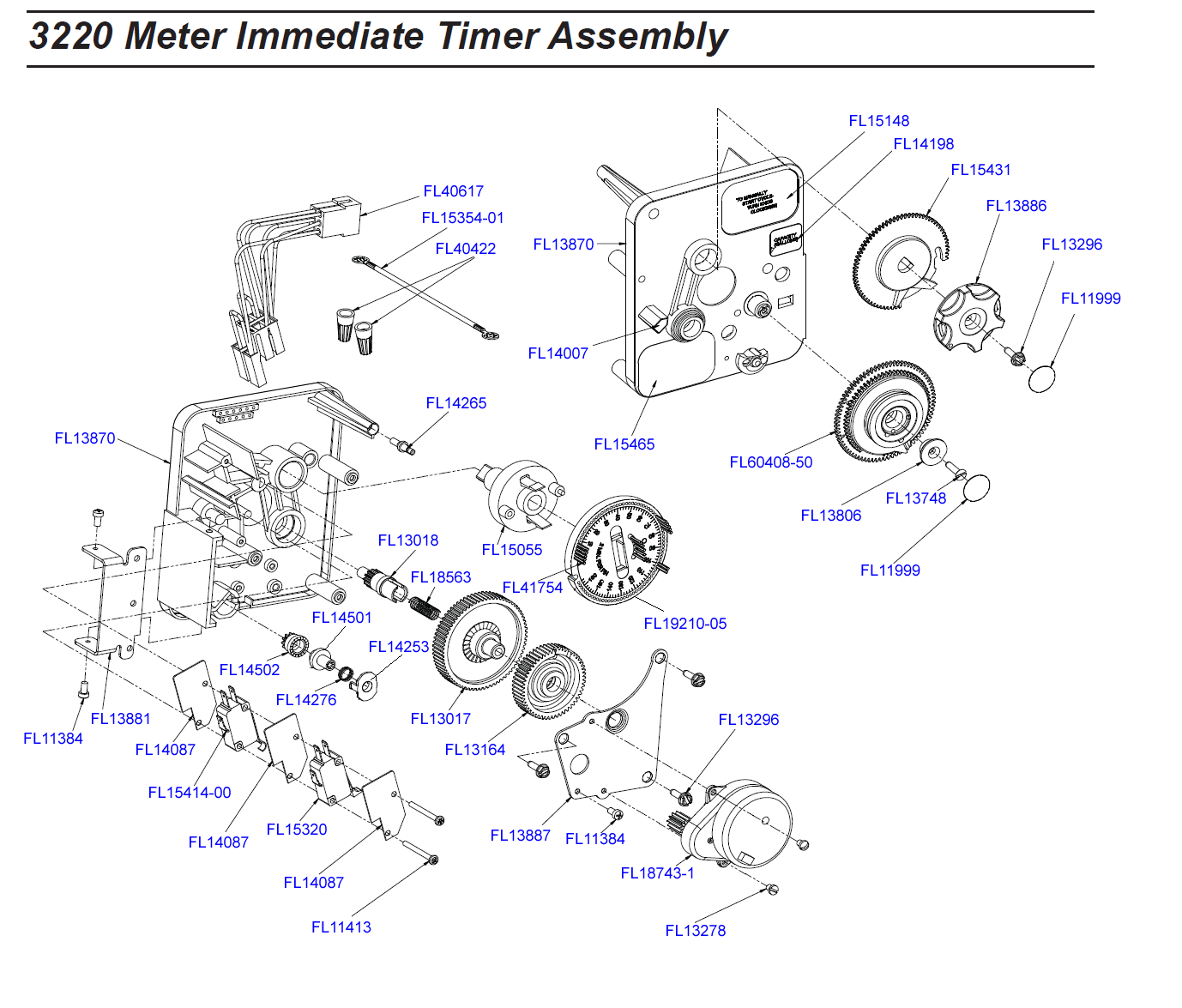
Persistent grinding, humming, or excessive clicking often points to electrical or mechanical failure within the control head.
Identify Motor Problems
The motor drives water flow and valve rotation. A failing motor creates distinct auditory clues.
- Grinding: Indicates worn gears or bearings inside the motor assembly.
- Humming: Suggests the motor is receiving power but failing to start.
- No Movement: The system remains silent when it should be regenerating.
Open the control panel with power off to inspect for visible wear, corrosion, or burnt smells. Ensure the motor is securely mounted. Replace the motor with a manufacturer-approved model if defects are found.
Test the Timer and Control Board
The timer sequences the regeneration phases. A faulty timer may click repeatedly, buzz, or fail to advance the cycle.
- Manually advance the timer dial or use the control interface.
- Listen for smooth progression between phases.
- If the timer sticks, buzzes, or skips steps, replace it immediately.
Match the replacement part number exactly to your model to ensure compatibility.
Time Estimate: 30 minutes
Difficulty: Moderate
Prevent Future Noise with Regular Maintenance
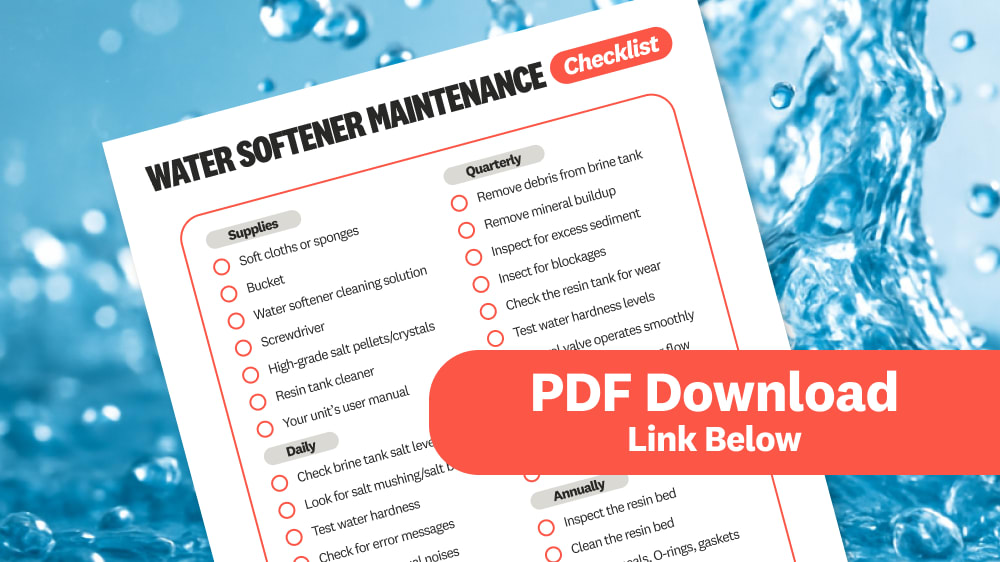
Consistent maintenance prevents minor issues from becoming loud, costly repairs. Follow this schedule to keep your system quiet.
Monthly Tasks
- Check the brine tank for salt bridges.
- Inspect the area for leaks or trickling sounds.
- Ensure the brine tank lid is secure.
Quarterly Tasks
- Tighten mounting brackets and pipe fittings.
- Clean the brine line and injector nozzle.
- Test home water pressure.
Annual Tasks
- Flush the resin tank thoroughly.
- Deep clean the brine tank.
- Inspect the motor and timer for wear.
- Replace sediment pre-filters.
Smart Habits
Schedule your regeneration cycle for 2:00 AM to avoid noise disruption during waking hours. Use salt pellets instead of rock salt to reduce sediment buildup. Keep the area around the unit dry to prevent electrical issues.
When to Call a Professional
Some issues require expert diagnosis and repair. Contact a technician if grinding persists after motor inspection or if internal valve seals are leaking. You should also call a pro if the resin bed is fouled or if you are uncomfortable disconnecting water and power lines.
Note that labor for repairs is not always covered under warranty, even if parts are free. Professional intervention ensures complex internal blockages or electrical faults are resolved safely.
Frequently Asked Questions About Water Softener Noise
Is it normal for a water softener to make noise at night?
Yes, many systems are programmed to regenerate at night. Sounds like gurgling, clicking, and flowing water during this time are normal parts of the cleaning cycle.
Why does my water softener sound like it is grinding?
A grinding noise usually indicates worn gears or bearings in the motor. This is a sign of mechanical failure that typically requires part replacement to prevent total system breakdown.
How do I stop my water softener from rattling?
Rattling is often caused by loose components. Check and tighten the brine tank lid, bypass valve fittings, and mounting brackets. Securing these parts usually eliminates the noise.
Can high water pressure cause noise?
Yes, water pressure above 80 psi causes turbulent flow and vibration inside the tank. Installing a pressure-reducing valve resolves this issue and protects your plumbing.
What does a trickling sound mean in a water softener?
A continuous trickling sound often indicates a leak in the drain line or brine system. Inspect connections immediately to prevent water damage and waste.
How often should I clean my water softener to prevent noise?
You should check for salt bridges monthly and flush the resin tank annually. Cleaning the brine line and replacing pre-filters every three to six months also helps maintain quiet operation.
Key Takeaways for Fixing a Noisy Water Softener
A water softener making loud noise is often a warning sign of underlying mechanical or hydraulic issues. Most problems, such as loose lids, salt bridges, or high water pressure, can be resolved with basic tools and a little maintenance. Regular checks of your pressure levels and internal components will keep your system running quietly and efficiently.
Take action today by inspecting your unit for loose parts and testing your water pressure. If simple fixes do not stop grinding or humming sounds, consult a professional to avoid catastrophic system failure. Quiet operation is a sign of a healthy system, so address these noises promptly to ensure long-term reliability.