

You turn on the tap and notice soap isn’t lathering. Dishes come out spotted, and your showerhead is clogged with scale. You check your water softener and find the brine tank is completely full of water. This isn’t normal operation. While a few inches of water at the bottom is expected, a flooded tank means your softener cannot regenerate properly.
A water softener full of water typically fails to draw brine during the regeneration cycle. That means no fresh brine reaches the resin bed, so minerals like calcium and magnesium remain in your supply. The problem usually stems from salt buildup, mechanical blockages, or failed components. Most causes are fixable with basic tools and a step-by-step approach.
In this guide, you will learn how to diagnose why your brine tank stays full and identify the exact failure point. We cover salt bridges, mush blockages, venturi clogs, float failures, and more using verified troubleshooting steps. You can often restore proper function in under an hour.
Check for Salt Bridge First
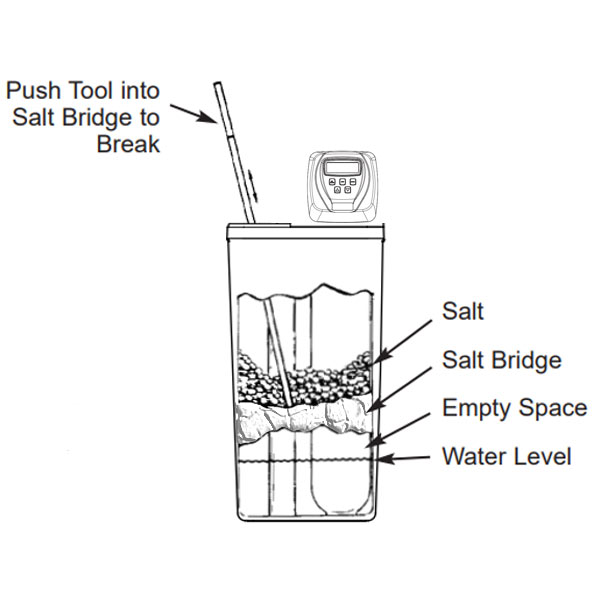
Break the Hardened Salt Crust
A salt bridge is a solid layer of compacted salt that forms across the top of the salt pile. It traps water underneath and prevents the salt from dissolving. The softener adds water during the refill stage but cannot pull brine because there is no contact between the salt and the water.
How to find it:
Insert a broom handle or plastic rod deep into the tank. If you hit a firm layer before reaching the water, you have found a bridge.
How to fix it:
Gently push down to break the crust. Avoid sharp tools because puncturing the tank causes leaks. Once broken, stir the salt so it contacts the water below.
Pro Tip:
After breaking the bridge, run a manual regeneration cycle. Watch the water level drop. If it does, the brine draw is working again.
Remove Salt Mush and Sludge

Clean the Tank Bottom Thoroughly
Salt mush is a thick, sludgy buildup of fine particles and insoluble material at the base of your tank. It blocks the intake screen and prevents brine from being drawn into the system. This often happens when using low-quality rock salt or when fine dust accumulates over time.
Signs of mush:
* Water stays high even after regeneration
* Salt level drops slowly despite visible water
* Tank smells musty or stagnant
Steps to clean:
1. Shut off water and power to the unit.
2. Remove all salt from the brine tank.
3. Scoop out wet sludge with a plastic cup.
4. Rinse the tank interior with warm water.
5. Wipe the bottom to clear residue near the intake.
6. Refill with high-purity salt pellets instead of rock salt.
Mush acts like a dam that stops flow to the brine line. Cleaning restores suction and improves brine strength significantly.
Inspect the Float Assembly
Ensure Smooth Movement and Seal
The float controls how much water enters the tank. If it sticks, the system may overfill or fail to signal the refill stage correctly. A jammed float is a common reason why a water softener is full of water.
Test the float:
Lift it by hand. It should move freely up and down. If it catches or feels gritty, mineral deposits are likely binding it.
Fix a stuck float:
1. Remove the float rod and cap.
2. Soak in warm water to dissolve scale.
3. Wipe the stem and guide cup with a soft cloth.
4. Reinstall and test movement.
Replace if:
* The float is cracked or waterlogged
* It doesn’t rise fully
* Cleaning doesn’t restore smooth action
A faulty float can cause overflow or disrupt the entire regeneration sequence.
Clean the Venturi and Injector
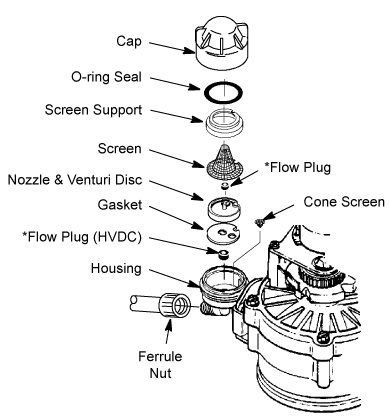
Restore Brine Draw Suction
The venturi valve creates the vacuum that pulls brine from the tank. If it is clogged or leaking, suction fails and water stays behind. This component is the heart of the brine draw mechanism.
Common failure points:
* Clogged injector nozzle which has the tiniest opening
* Dirty flow plug or filter screen
* Worn or cracked gasket
How to clean:
1. Turn off water and power.
2. Open the control head cover.
3. Disconnect the brine line and remove the venturi cap.
4. Take out the internal parts including the screen, flow plug, and gasket.
5. Rinse each under warm water. Use a toothbrush for deposits.
6. Check the injector hole and blow air through it if clogged.
Critical Note:
The flow plug has a concave side. Reinstall it facing the correct direction, usually toward the gasket. Misalignment breaks suction completely.
Replace the Venturi Gasket

Seal the Vacuum Path
Even a tiny leak in the venturi gasket kills suction. These rubber seals degrade every two to three years and are the number one cause of failed brine draws. If your water softener is full of water, this small part is often the culprit.
Symptoms of gasket failure:
* No water level drop during regeneration
* Softener runs cycle but tank stays full
* Hissing sound near control head
Replacement steps:
1. Remove the old gasket from the key slot.
2. Insert a new one. Kits often cost under fifteen dollars for three.
3. Ensure it sits flush and seals completely.
4. Reassemble with the flow plug and cap.
Pro Tip:
Replace the gasket every two years as preventive maintenance even if it looks okay.
Flush the Brine Line
Clear Blockages and Air Locks
The brine line carries the solution from the tank to the valve. Kinks, crystals, or trapped air stop flow entirely. A blocked line means the water has nowhere to go.
How to flush:
1. Disconnect the line at both ends including the tank and control head.
2. Run warm water through it or soak in a vinegar bath.
3. Blow air through with your mouth or a pump.
Check for:
* Pinched tubing behind the unit
* Algae or iron buildup in older lines
* Loose fittings that break suction
Air lock fix:
Reconnect the line and tilt the softener slightly to bleed air. Run a manual cycle to prime the system.
Verify Drain Line Flow

Prevent Hydraulic Backpressure
If the drain line is clogged or improperly installed, the softener cannot create the pressure needed to draw brine. Poor drainage affects the entire hydraulic balance of the unit.
Inspect the drain hose:
* Look for kinks, lint, or sediment buildup
* Confirm it is not elevated more than eight feet
* Ensure it ends in an air gap and is not submerged
Test flow:
During regeneration, you should hear water running to the drain. No sound means you must clear the line or check the drain connection.
Poor drain flow disrupts the entire regeneration balance including brine draw.
Reset the Regeneration Cycle
Restart a Stuck System
Sometimes the softener halts mid-cycle due to a power glitch or control error. This leaves water in the tank because the cycle never reached the draw stage.
How to reset:
1. Unplug the unit for 30 seconds.
2. Plug it back in.
3. Initiate a manual regeneration from the control panel.
Check settings:
* Confirm hardness level is correct
* Ensure salt dosage isn’t set too low
* Verify the time is accurate
An interrupted cycle won’t proceed to brine draw. Resetting forces it to restart properly.
Test for Internal Valve Failure
Diagnose Piston or Seal Wear
If all external checks pass but the tank stays full, the issue may be inside the control head. This is an advanced failure mode.
Signs of internal failure:
* No water movement despite clean lines and venturi
* Leaks around the valve body
* Erratic behavior during cycles
What’s failing:
The piston or seals inside the valve direct water flow. Worn seals prevent proper pressure changes needed for brine draw.
Solution:
This requires professional repair or valve replacement. Do not attempt internal disassembly unless trained.
Prevent Future Standing Water
Follow a Simple Maintenance Plan
Avoid repeat issues with routine care. A consistent schedule keeps your water softener from becoming full of water again.
| Task | Frequency | Purpose |
|---|---|---|
| Check salt condition | Monthly | Catch bridges early |
| Clean float stem | Monthly | Prevent sticking |
| Flush brine line | Every 6 months | Clear crystal buildup |
| Clean venturi assembly | Every 6–12 months | Maintain suction |
| Replace venturi gasket | Every 2–3 years | Ensure vacuum seal |
| Rinse salt tank | Annually | Remove sludge buildup |
Salt best practices:
* Use salt pellets or crystals with high purity
* Avoid rock salt because it creates mush
* Keep salt no higher than half-full
* Add salt gradually and do not overfill at once
When to Call a Pro
Know the Limits of DIY
If you have broken salt bridges, cleaned the venturi and lines, replaced the gasket, and confirmed proper float movement yet the tank still stays full, the problem is likely internal.
Call a technician for:
* Piston or seal replacement
* Control board diagnostics
* Valve rebuild or swap
These repairs require specialized tools and knowledge. A pro can also test water hardness and verify full system recovery.
Frequently Asked Questions About Water Softener Full of Water
Is it normal for a water softener brine tank to have water in it?
Yes, a few inches of water at the bottom is normal. This water dissolves salt to create brine for the next cycle. However, the tank should not be half-full or completely full of standing water after regeneration.
Why is my brine tank not emptying during regeneration?
The most common causes are a clogged venturi valve, a damaged venturi gasket, or a salt bridge. These issues prevent the system from creating the suction needed to pull brine into the resin tank.
How do I know if I have a salt bridge?
Press a broom handle down into the salt. If you hit a hard crust before reaching water or loose salt, you have a bridge. The salt below remains dry and unusable until you break this layer.
How often should I replace the venturi gasket?
You should replace the venturi gasket every two to three years. These rubber seals degrade over time and are a frequent cause of suction loss even if they look intact.
Can low water pressure cause a full brine tank?
Yes, low water pressure can prevent the venturi from creating enough suction to draw brine. Ensure your home water pressure is within the recommended range for your specific softener model.
What happens if I ignore a full brine tank?
Ignoring the issue means your softener cannot regenerate. Your water will remain hard, causing scale buildup on fixtures and reducing soap efficiency. It can also lead to salt wastage and potential water damage from overflow.
Key Takeaways for Fixing a Water Softener Full of Water
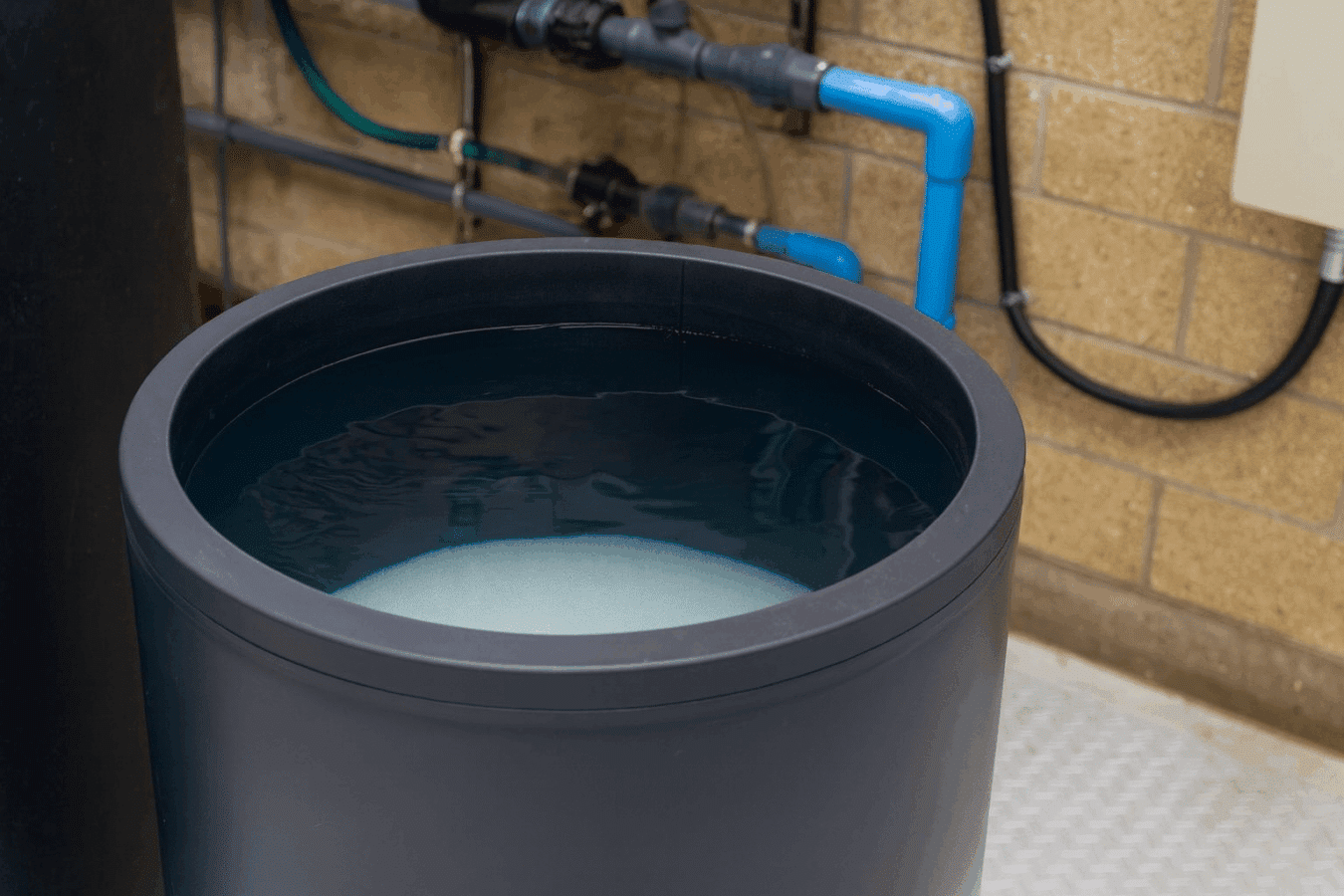
A water softener full of water is almost always fixable with the right approach. Start by checking the salt for bridges or mush, as these are the most common culprits. Then move to the venturi assembly to clean it and replace the gasket if needed. Confirm that all lines are clear and the float moves freely.
With these steps, you can resolve nine out of ten cases without professional help. Stay proactive with maintenance, use quality salt, and your softener will keep delivering soft water for years. If external fixes do not work, contact a technician to inspect internal valves.