
Is your Culligan water dispenser dispensing water that tastes odd or smells slightly off? Neglecting regular maintenance allows bacteria and mineral deposits to build up inside your unit, potentially compromising your health and the quality of your drinking water.
This guide explains exactly how to clean Culligan water dispenser models, including bottled coolers, bottleless systems, and ZeroWater pitchers. You will learn specific sanitizing steps, safe cleaning agents to use, and how to troubleshoot common filtration issues without damaging your equipment.
Prepare Your Bottled Culligan Cooler for Deep Cleaning

Bottled water coolers expose the internal reservoir to air every time you swap a jug. This frequent exposure makes them susceptible to biofilm and bacterial growth if not cleaned every three to six months. Proper preparation ensures you can reach every surface safely.
Gather Safe Cleaning Supplies
You need specific tools to sanitize the unit without leaving toxic residues. Harsh chemicals like bleach or vinegar can damage internal seals and alter water taste.
* Rubber gloves
* Soft sponge or non-abrasive scrub brush
* Microfiber cloth
* One gallon of boiling hot water
Do not use dish soap, bleach, or white vinegar on the internal reservoir. These substances leave residues that are difficult to rinse completely.
Execute Safety Shutdown Procedures
Always start by turning off the hot water switch and unplugging the dispenser from the electrical outlet. Remove the empty water bottle and set it aside. If your model has a no-spill adaptor or air filter, remove these components carefully. Take out the baffle, which is the plastic piece inside the reservoir that directs water flow, to ensure full access to the interior walls.
Sanitize the Internal Reservoir of Bottled Units
The internal reservoir is where most contamination occurs. Using a dual-rinse method with boiling water effectively kills bacteria and loosens mineral scale without chemicals.
Perform the First Hot Water Soak
Pour the prepared boiling water directly into the empty reservoir. Let the water sit for exactly five minutes. This dwell time is critical for loosening grime and reducing the bacterial load. After waiting, use your soft sponge or brush to gently scrub the interior walls, the baffle, and the no-spill adapter. Pay close attention to corners where biofilm tends to hide.
Drain and Repeat the Process
Drain the hot water through the cold water spigot only. Never drain hot water through the hot water spigot as it may still be scalding and could damage the valve. Refill the reservoir with fresh boiling water for a second five-minute soak. While this water sits, wipe down the exterior, drip tray, and spigots with a microfiber cloth. Drain the second batch completely before reassembling the baffle and adaptor.
Maintain Bottleless Culligan Dispenser Hygiene
Bottleless units connect directly to your plumbing and often feature UV sanitization or antimicrobial surfaces. While they require less frequent deep cleaning, surface hygiene remains vital for high-traffic areas.
Wipe High-Touch Surfaces Weekly
Use non-abrasive disinfecting wipes or a soft cloth dampened with mild cleaner to wipe the entire unit. Focus your efforts on dispensing paddles, touch screens, spigots, and the drip tray area. These high-touch points transfer germs quickly between users. Never spray liquid directly onto the machine, as moisture can seep into electrical components and cause damage.
Clean Drip Trays and Condenser Coils
Empty and wash the drip tray daily with mild detergent and warm water to prevent mold and odors. For stubborn buildup, soak the tray for ten minutes before scrubbing. Every three to six months, locate the condenser coil at the back of the unit. Use a vacuum or soft brush to remove dust and debris that reduce cooling efficiency. Always unplug the unit before cleaning the coil.
Clean Culligan ZeroWater Pitchers Correctly
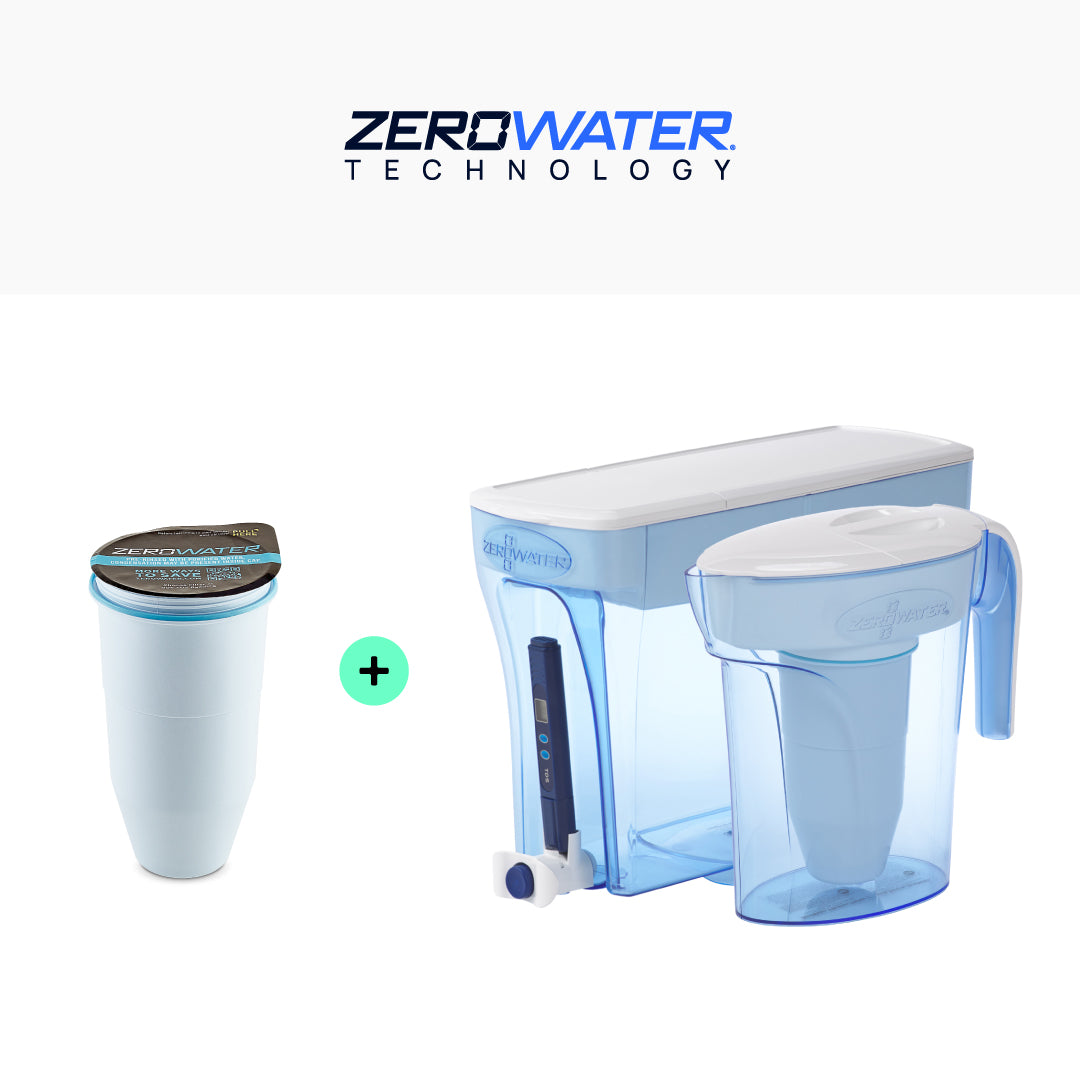
ZeroWater pitchers and dispensers require regular cleaning of their plastic components to prevent mold. The filter itself cannot be cleaned and must be replaced when exhausted.
Identify Your Specific Model Type
Before disassembling, determine if you have a Legacy ZeroWater or a Culligan with ZeroWater Technology unit.
* Legacy Models: Feature a filter that screws in from the bottom.
* Culligan Technology Models: Have a sliding lid and a filter that drops in from the top.
Filters are not interchangeable between these two systems. Using the wrong filter will result in leaks or filtration failure.
Wash Plastic Components Thoroughly
Disassemble the unit by removing the lid, reservoir, and body. Remove the filter according to your model type. Wash all plastic parts with warm water and mild dish soap using a soft sponge. Rinse every component for at least 30 seconds to remove all soap residue. Dry everything completely with a clean paper towel before reassembly. Never place these parts in a dishwasher, as the heat will warp the plastic and break seals.
Test and Replace ZeroWater Filters
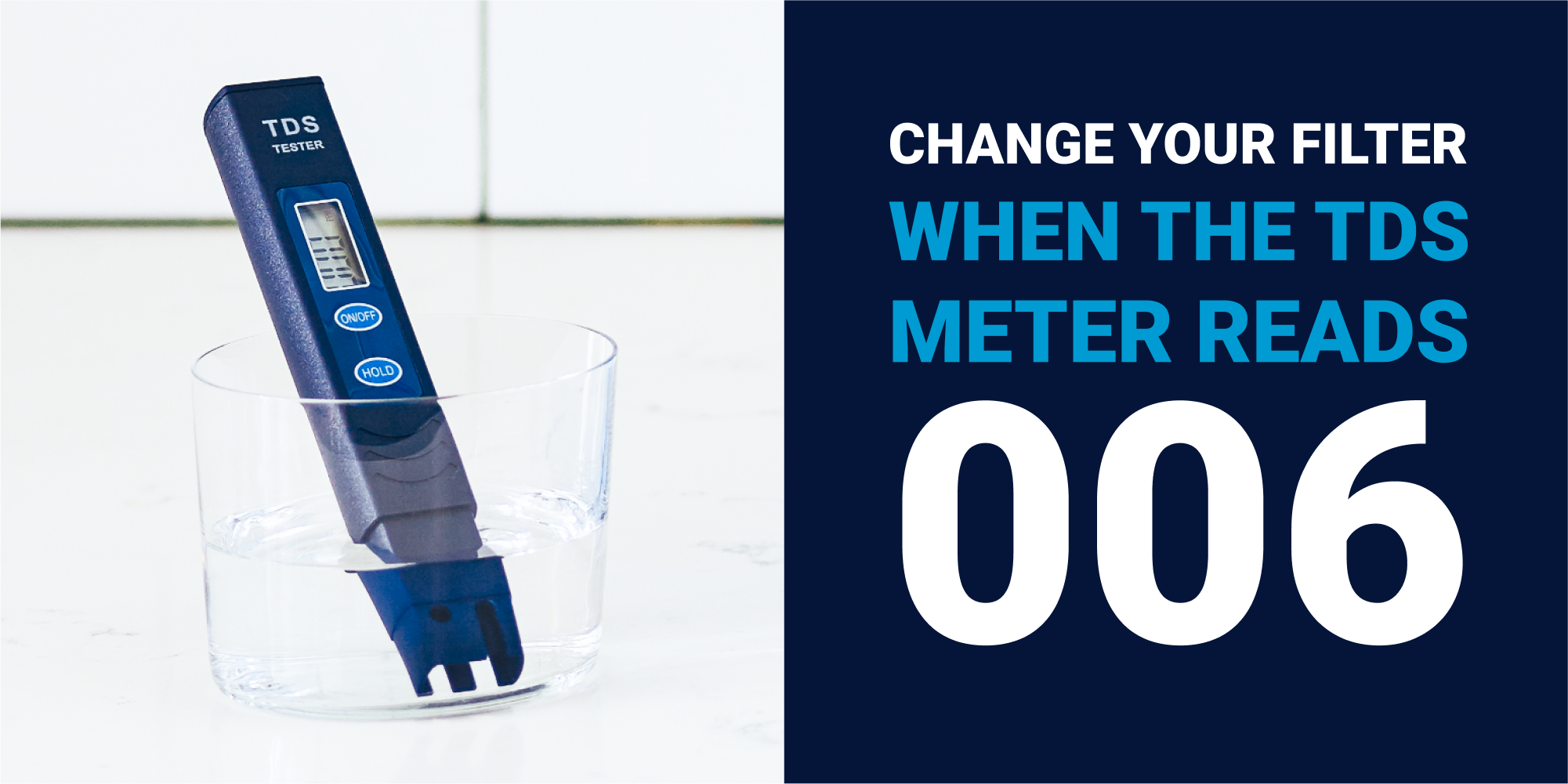
Your filter removes contaminants through a five-stage process, but it cannot be regenerated. You must monitor its performance to ensure safe drinking water.
Use the TDS Meter for Accuracy
Slide the TDS meter out of its slot and rinse the probe with cold water. Dip it into the filtered water in the lower chamber without submerging the entire device. A reading between 000 and 006 ppm indicates the filter is working correctly. If the reading exceeds 006 ppm, the filter is exhausted and must be replaced immediately.
Install New Filters Properly
Install the new filter based on your model. For Legacy units, twist the filter clockwise into the bottom until snug. For Culligan Technology units, drop the filter into the top reservoir and twist to lock. Fill the reservoir with cold tap water and discard the first batch to flush out any loose carbon. Retest the water to confirm the TDS reading is within the acceptable range.
Troubleshoot Common Water Dispenser Issues
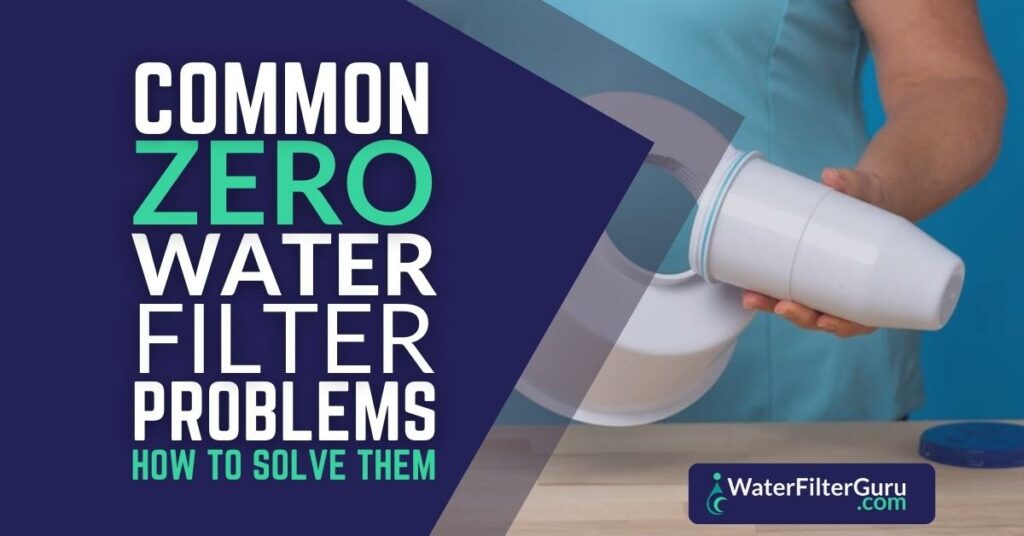
Even with regular cleaning, you may encounter taste or flow problems. Understanding the cause helps you fix the issue quickly.
Resolve Bad Tastes and Odors
A fishy or ammonia-like smell often indicates sulfur in your tap water reacting with the ion-exchange resin in an aging filter. A sour taste suggests the filter has released hydrogen ions and is fully exhausted. In both cases, test the water with your TDS meter. If the reading is above 006 ppm, replace the filter. Do not leave unused filters exposed to air, as this accelerates degradation.
Address Slow Filtration Rates
ZeroWater filters are naturally slower than standard pitchers due to their five-stage design. However, if flow stops completely, check for debris in the upper reservoir or ensure the filter is seated correctly. If the filter is new and properly installed but flow remains poor, your tap water may have extremely high TDS levels, causing rapid clogging. In this case, replace the filter sooner than the standard gallon estimate.
Prevent Mold and Bacteria Growth Long Term
Consistent habits keep your water dispenser safe between deep cleaning sessions. Prevention is far easier than removing established biofilm.
Sanitize During Every Bottle Change
For bottled coolers, wipe the neck of the new water bottle with a disinfectant wipe before installation. Clean the spike of the dispenser with a cotton swab dipped in food-safe peroxide. Doing this every time you change a jug prevents introducing new bacteria into the clean reservoir.
Avoid Stagnant Water Storage
If you will not use your pitcher for more than seven days, empty it completely. Clean the components and store the unit dry with the lid off. Stagnant water breeds bacteria rapidly. When you are ready to use it again, clean the parts once more and install a fresh filter if the old one has been sitting dry for an extended period.
Know When to Call a Professional Technician
Some maintenance tasks require specialized tools or knowledge. Attempting complex repairs on bottleless units can void warranties or cause leaks.
Identify Signs Requiring Expert Service
Contact a certified technician if you experience persistent bad taste after replacing filters, electrical failures, or cooling issues in bottleless units. Professionals also handle the annual internal line flushing for bottleless systems using food-grade sanitizers that are not available to consumers. If your unit is under a rental contract, this service is likely included in your monthly fee.
Frequently Asked Questions About Cleaning Culligan Dispensers
Can I use vinegar to clean my Culligan water dispenser?
No, you should not use vinegar. The resource documents explicitly state that vinegar can leave residues that affect water taste and may damage internal seals. Use only boiling hot water for internal sanitization.
How often should I deep clean my bottled water cooler?
You should perform a deep clean of your bottled cooler every three to six months. Increase this frequency if you have a large household or high usage volume that depletes bottles quickly.
Why does my filtered water taste fishy or smell like ammonia?
This odor usually occurs when sulfur compounds in tap water react with the ion-exchange resin in an exhausted filter. Test your water with a TDS meter and replace the filter if the reading is above 006 ppm.
Are Culligan ZeroWater pitcher parts dishwasher safe?
No, never place ZeroWater pitcher components in the dishwasher. The high heat can warp the plastic and compromise the seals, leading to leaks and filtration failure. Hand wash only with mild soap.
What is the acceptable TDS reading for ZeroWater filters?
An acceptable TDS reading is between 000 and 006 ppm. Any reading above 006 ppm indicates the filter is exhausted and no longer removing contaminants effectively, requiring immediate replacement.
Key Takeaways for Maintaining Your Culligan Water Dispenser
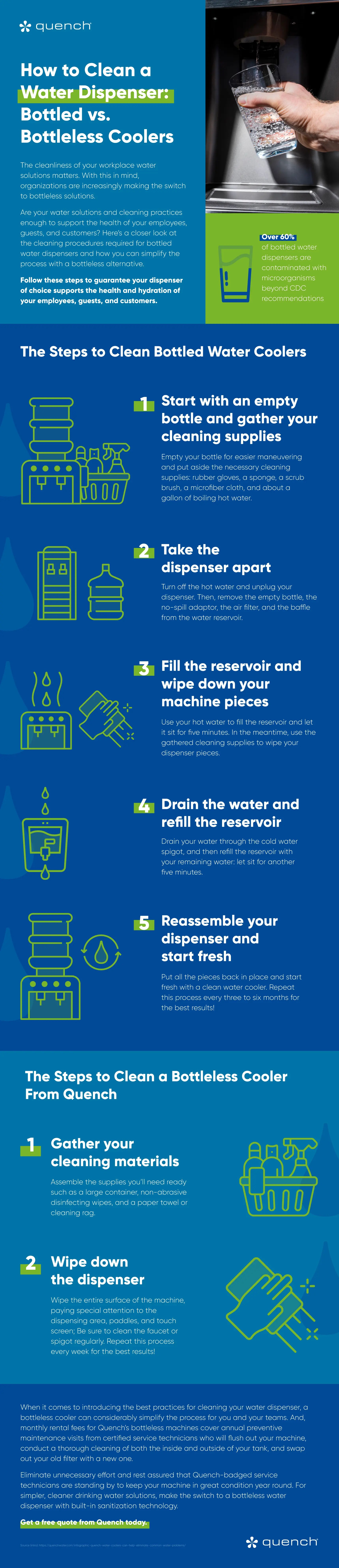
Proper maintenance of your Culligan water dispenser ensures safe, great-tasting water and extends the life of your unit. Remember to deep clean bottled coolers every three to six months using only boiling water, and wipe down bottleless units weekly to prevent surface contamination. For ZeroWater pitchers, wash plastic parts regularly and always replace filters when TDS readings exceed 006 ppm.
Take action today by checking your dispenser type and scheduling your next cleaning session. If you notice persistent issues like bad tastes or electrical faults, do not hesitate to contact a professional technician for assistance.