
Running out of salt in your water softener stops the regeneration process and allows hard water to damage your pipes and appliances. Scale buildup clogs showerheads, reduces soap lather, and shortens the lifespan of your dishwasher. The solution is a simple maintenance task that takes just minutes to complete. Knowing how to add salt to water softener units correctly ensures your home stays protected from hard water issues.
This guide explains exactly when to refill your brine tank and what type of salt works best. You will learn step-by-step instructions for adding salt without causing common problems like salt bridging. We also cover how smart monitors can alert you before levels get too low.
Identify When Your Brine Tank Needs Salt

Visual inspection is the most reliable method to determine if your system needs more regenerant. You should lift the lid of the brine tank and look at the relationship between the water and the salt. The golden rule is to add salt only when you see standing water above the salt level.
Apply the Water Above Salt Rule
If you observe 4 to 6 inches of water sitting on top of the salt crystals, it is time to refill. This gap indicates the salt has dissolved enough that it cannot absorb the incoming water during the next cycle. Never wait until the tank is completely empty of salt. Running dry halts the ion exchange process and sends hard water through your plumbing immediately.
Follow a Monthly Inspection Schedule
Even if you do not see standing water yet, check your tank once every month. Average households consume between 20 and 40 pounds of salt per month depending on water hardness. Systems that regenerate frequently may use salt faster than those set for high-efficiency modes. Regular checks prevent unexpected shortages.
Utilize Smart Monitoring Technology
Modern systems offer digital solutions to track salt usage automatically. Devices like the Kinetico Kinex Salt Monitor or the Culligan Connect app send alerts to your phone when levels drop. These tools measure salt volume and usage trends to predict exactly when you need a refill. This technology is perfect for busy households or vacation homes where manual checks are difficult.
Select the Correct Salt Type for Your System

Using the right product is critical for the longevity of your water softener. Not all salt products are safe for these systems, and choosing the wrong one can cause internal clogs. Always select sodium chloride products specifically labeled for water softener use.
Choose High-Purity Pellets or Crystals
Top-rated options include Diamond Crystal Solar Salt and Morton System Saver Pellets. These products dissolve cleanly and leave minimal sludge behind in the tank. Pellets are generally ideal for most residential systems because they resist clumping better than fine crystals. Solar or evaporated crystal salts are also effective choices for maintaining consistent water levels.
Avoid Rock Salt Completely
Never use rock salt in your water softener under any circumstances. Rock salt contains dirt, sand, and insoluble impurities that clog the brine valve and injector. These contaminants can also coat the resin bed, reducing its ability to exchange ions effectively. While rock salt is cheaper upfront, the resulting damage leads to costly repairs and poor performance.
Consider Potassium Chloride Alternatives
Homeowners on sodium-restricted diets may prefer potassium chloride as a regenerant. This alternative works in most softeners but typically costs two to three times more than standard sodium chloride. Switching from sodium to potassium often requires adjusting the regeneration settings on your control panel. Consult your user manual or dealer before making this change to ensure proper operation.
Execute the Salt Refilling Process
Adding salt is a straightforward task that requires no special tools. Following the correct procedure prevents overfilling and ensures the salt dissolves properly for the next regeneration cycle. Always handle salt bags carefully to avoid spills on the floor.
Add Salt in Controlled Increments
Pour salt into the tank one 40-pound bag at a time rather than dumping multiple bags at once. This method helps you monitor the fill level accurately and prevents overfilling. If you see standing water, continue adding salt one bag at a time until the water disappears into the salt bed. Stop adding salt when the tank is half to three-quarters full.
Break Up Existing Buildup First
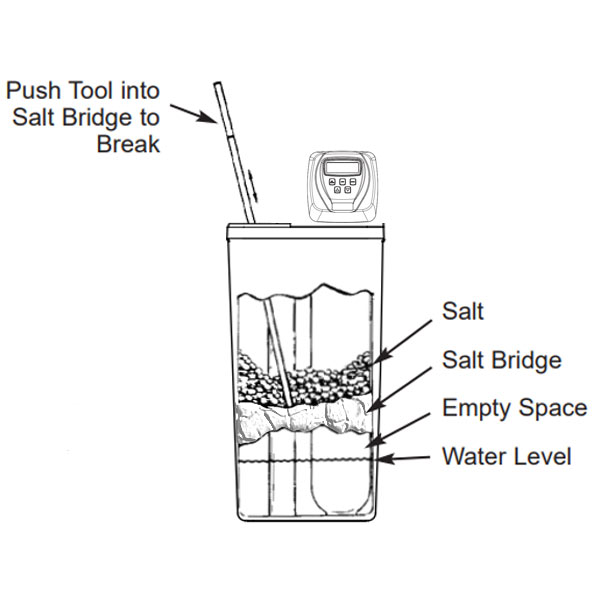
Inspect the interior walls of the tank before adding new salt. Look for crusted salt on the sides or hardened chunks at the bottom. If you find a salt bridge, which is a hard crust spanning the top of the tank, break it gently with a broom handle. Push down through the center carefully to avoid puncturing the tank walls.
Verify Proper Fill Levels
The target fill level depends on your specific salt dosage setting. Systems with low salt settings should be filled only halfway full. Units set to medium or high salt usage should be filled to about three-quarters full. Leaving 6 to 8 inches of space below the rim allows room for water during the brine draw cycle.
Prevent Common Salt Maintenance Issues
Improper maintenance often leads to specific problems that stop your softener from working. Understanding these issues helps you avoid them entirely. Most problems stem from overfilling the tank or using low-quality salt products.
Stop Salt Bridging Before It Starts
Salt bridging occurs when salt hardens into a solid dome that traps water underneath. The system cannot draw brine because the water is isolated from the salt supply. Prevent this by never overfilling the tank and using high-purity salt with fewer impurities. If a bridge forms, break it gently with a blunt tool and tap from the center outward.
Fix Salt Mushing Quickly
Salt mushing happens when fine crystals dissolve and re-crystallize into a thick sludge at the bottom. This sludge blocks water flow and prevents proper brine formation. Signs include brown or gray sludge in the tank and a water level that stays high despite adding salt. Minor cases may resolve by flushing the tank with warm water, but severe mushing often requires professional cleaning.
Restore Settings After Power Outages
A power outage may reset your clock settings but will not affect salt levels. To fix the time, press the “Set” button on your control panel and use the arrows to adjust the hour and minute. Press “Set” again to save. The system will resume its normal regeneration schedule once the time is correct.
Optimize Long-Term Softener Performance

Consistent care extends the life of your water softener well beyond the average expectancy. Proper salt management is the single most important factor in preventing premature failure. Regular attention to detail keeps your water soft and your appliances safe.
Schedule Annual Professional Service
Plan for a professional tune-up once a year even if your system seems to work fine. A certified technician will test water hardness, inspect the resin bed for fouling, and check for hidden bridging or mushing. Many manufacturer warranties require annual service to remain valid, so keeping records is essential.
Follow Warranty Maintenance Rules
Premium softeners often come with lifetime warranties on mechanical parts and five-year warranties on resin beads. However, these protections depend on proper maintenance. Using rock salt or letting the system run dry can void your warranty. Stick to recommended salt types and keep adequate levels to protect your investment.
Leverage Delivery Services and Apps
Eliminate the heavy lifting by using automatic salt delivery services from local providers. These services track your usage and drop off bags before you run out. Combining delivery with mobile app monitoring creates a hassle-free maintenance routine that ensures you never face hard water surprises.
Frequently Asked Questions About Adding Salt to Water Softeners
How often should I add salt to my water softener?
You should check your brine tank monthly and add salt when water sits above the salt level. Most households refill their tanks every 2 to 4 months depending on water usage and hardness levels.
Can I mix different types of salt in my softener?
It is best to stick with one type of salt to ensure consistent dissolution rates. Mixing different forms like pellets and crystals can sometimes lead to uneven brine creation or clumping issues.
What happens if I use rock salt instead of softener salt?
Rock salt contains impurities like dirt and sand that clog valves and damage the resin bed. Using it can lead to system failure and may void your manufacturer warranty.
How do I know if my water softener has a salt bridge?
Signs include a tank that looks full of salt but still has high water levels and produces hard water. You can confirm a bridge by gently poking the salt surface with a broom handle to feel for a hard crust.
Is potassium chloride better than sodium chloride for softeners?
Potassium chloride is a good alternative for those on sodium-restricted diets but costs significantly more. It works effectively but may require adjusting your system regeneration settings.
Key Takeaways for Maintaining Your Water Softener
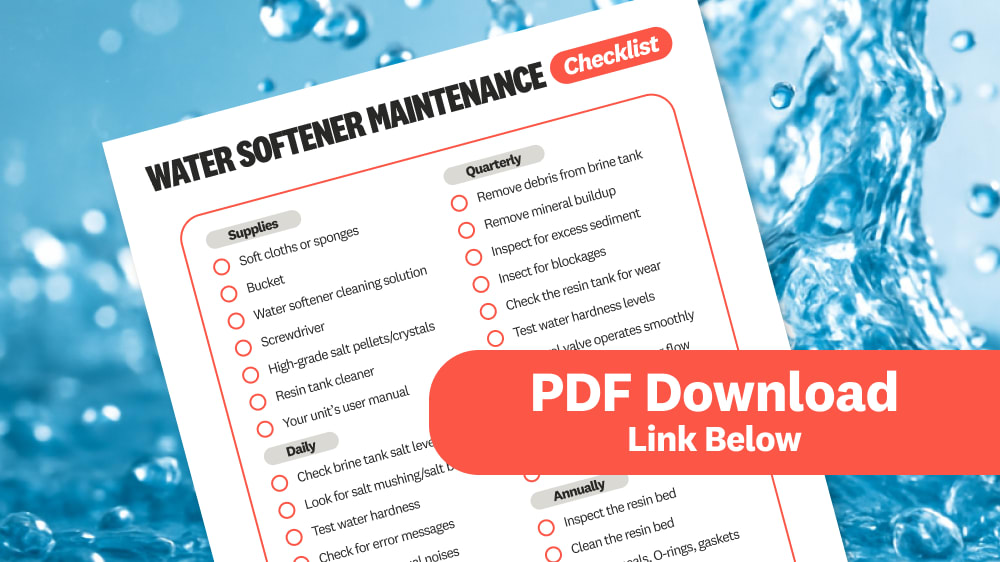
Properly learning how to add salt to water softener systems protects your home from hard water damage. Remember to refill only when water sits above the salt, use high-quality pellets, and avoid overfilling the tank. Regular checks and the right salt type ensure your system runs efficiently for 15 years or more.
Take action today by checking your brine tank lid. If you see standing water, grab a bag of recommended salt and refill it to the halfway mark. This simple step keeps your water soft and your appliances running smoothly.