Is your Pentair water softener failing to remove hardness minerals from your water supply? Spotted dishes, dry skin, and scale buildup indicate your system needs immediate pentair water softener repair attention before major damage occurs.
This guide details exact steps to diagnose salt bridges, clear injector clogs, and resolve error codes effectively. You will learn specific repair techniques to restore soft water flow and extend the life of your unit.
Diagnose Hard Water Return Symptoms

Hard water returning to your home signals a breakdown in the ion exchange process within your softener. Immediate identification of these symptoms prevents long-term plumbing damage and appliance failure.
Check Water Quality Signs
Run cold water for thirty seconds and try to lather soap on your hands. Gritty feelings or a complete lack of foam confirm that calcium and magnesium levels are high again. Inspect glassware and shower doors for new white scale deposits that were previously absent.
Dry or itchy skin after showering serves as another strong indicator of system failure. Watch for metallic tastes or sulfur odors which suggest bacterial growth or iron contamination inside the tank.
Test Softening Performance Levels
Use a water hardness test kit to verify if your water reads under 1.0 grains per gallon. Readings above 3.0 grains per gallon prove the unit is not regenerating properly or the resin bed is exhausted.
Compare current results with previous tests to determine if the failure was sudden or gradual. A sudden spike often points to a mechanical issue like a stuck valve while a slow decline suggests resin fatigue.
Decode Salt Tank Problems Quickly
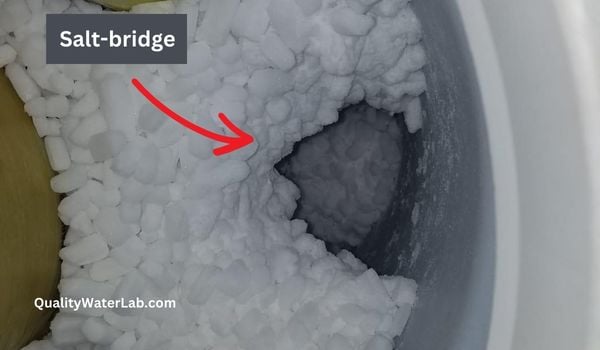
Over sixty percent of pentair water softener repair cases involve issues within the brine tank affecting salt dissolution. Salt bridges and mushing prevent brine creation which stops the regeneration cycle entirely.
Break Salt Bridges Effectively
A salt bridge forms a hard crust across the top of the salt pile leaving an air gap below. Shine a flashlight into the tank to see if a solid layer exists above the water line.
Turn off the water supply and use a wooden broom handle to gently tap and break the crust. Avoid metal tools that might damage the tank liner before restarting the system for a manual regeneration.
Clear Salt Mushing Blockages
Salt mushing creates a sludgy gel at the tank bottom that blocks water flow and brine draw. You may notice the salt level dropping slowly while water hardness remains high despite regular refills.
Drain the tank completely and remove all old salt and sludge buildup from the interior. Rinse the tank with clean water and mild detergent then refill with high-purity salt pellets to prevent recurrence.
Stop Brine Tank Overflow Issues
Water pooling around your softener often stems from excess water in the brine tank due to drain failures. Common causes include a stuck float valve or a clogged injector nozzle preventing proper drainage.
Remove the brine well cover and inspect the float mechanism to ensure it moves freely up and down. Clear any debris from the injector and drain line using compressed air or a thin wire to restore function.
Inspect and Clean Key Components
Internal parts like the injector and control valve require regular inspection to maintain efficient regeneration cycles. Neglecting these components leads to complete system failure even with adequate salt levels.
Clean the Injector and Nozzle
The injector draws brine from the tank during regeneration and clogs easily with mineral deposits. Shut off water and power before locating the injector assembly under the control valve to remove the cap.
Soak the screen and nozzle in white vinegar for fifteen minutes to dissolve mineral buildup gently. Use a soft brush to remove remaining deposits then rinse thoroughly before reinstalling and running a manual cycle.
Check the Control Valve Function
The control valve manages water flow and timing for all regeneration cycles within the system. Failure signs include missed regeneration schedules water bypassing the softener or visible leaks around the valve body.
Look for cracks moisture or mineral buildup on the valve exterior during your visual inspection. If the valve hums but fails to cycle the motor or timer likely requires professional replacement.
Handle Error Codes and Electronic Failures

Modern Pentair units display specific error codes on digital control heads to pinpoint exact mechanical failures. These codes eliminate guesswork and guide you toward the correct pentair water softener repair solution.
Interpret Common Error Codes
Error codes like E1 or E2 typically indicate power interruptions or low voltage supply issues. E3 signals sensor failures while E5 points to a stalled valve motor requiring immediate attention.
Reset the control head by unplugging the unit for thirty seconds to see if the code clears. Persistent codes after a reset indicate hardware damage that needs professional diagnostic tools.
When to Call a Technician
Electrical repairs involving control boards are not safe for DIY attempts and may void your warranty. Attempting to reprogram timers or replace circuit boards without training can cause further system damage.
Contact a professional if error codes persist after resetting or if the unit fails to power on. Unusual clicking or buzzing sounds from the control head also warrant expert diagnosis to prevent total failure.
Prevent Leaks and Pressure Drops
Sudden drops in household water pressure or wet spots near the unit signal potential leaks requiring action. These issues often stem from worn seals or valve failures that worsen over time without intervention.
Locate and Fix Leaks
Shut off water and power then dry all connections to identify the source of any moisture. Turn the water back on and watch closely for drips at the bypass valve seals or resin tank fittings.
Replace worn O-rings with Pentair-approved parts and tighten fittings by hand to avoid cracking. Replace any cracked or brittle drain line hoses with flexible tubing to stop water loss immediately.
Restore Water Pressure Levels
Low pressure only when the softener is active suggests a clogged or degraded resin bed. Bypass the softener to test if pressure returns confirming the issue lies within the unit itself.
Flush the resin bed with a specialized cleaning solution available at plumbing supply stores. Consider replacing the resin bed if the system is over ten years old and flushing does not restore pressure.
Replace Faulty Parts Safely
Some repairs suit homeowners with basic tools while others demand professional expertise to avoid costly mistakes. Knowing the difference ensures safety and prevents unnecessary damage to your water treatment system.
DIY-Friendly Replacements
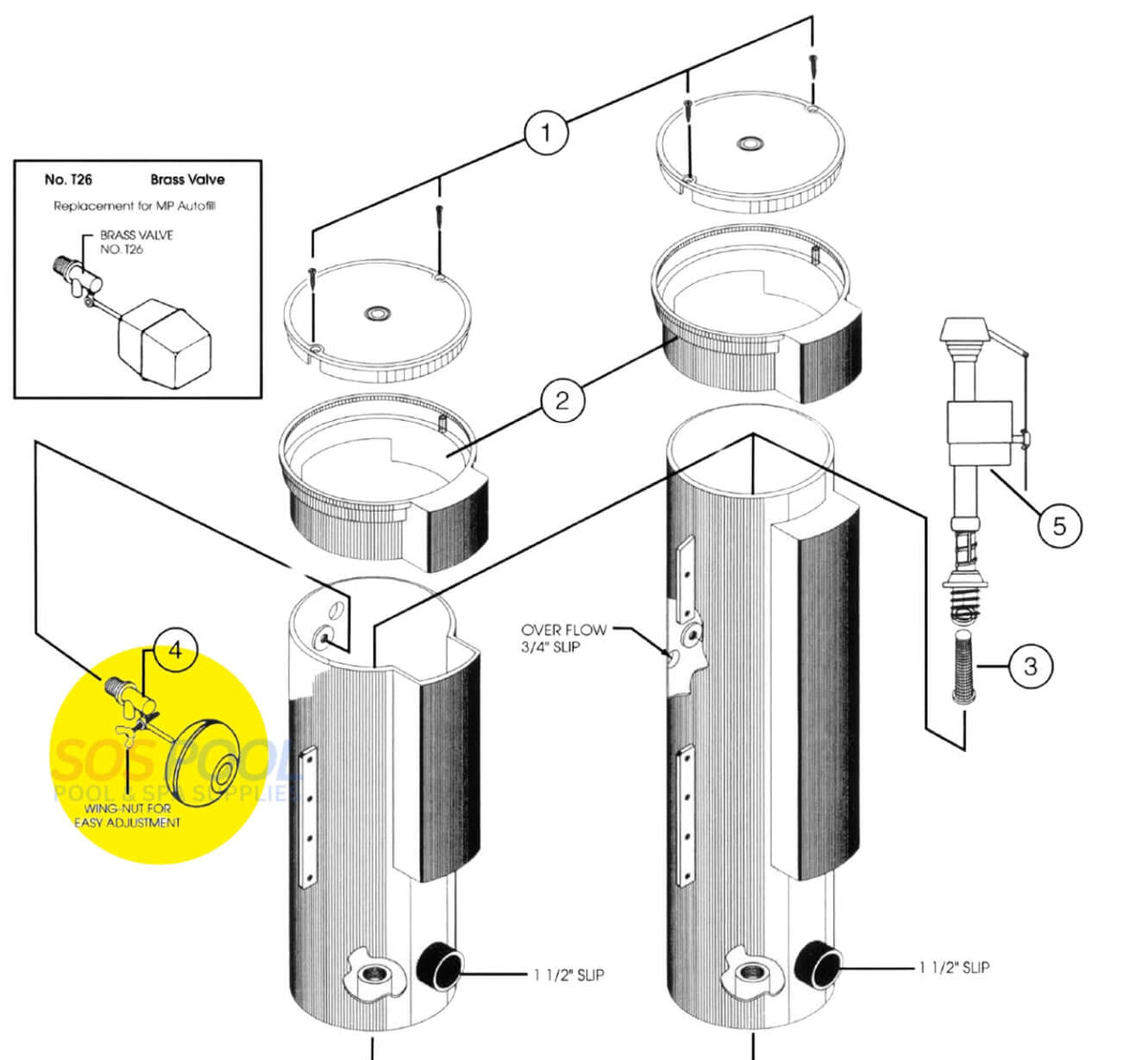
Replacing a float valve is inexpensive and easy by turning off water and lifting out the old component. Cleaning or replacing the injector screen takes about ten minutes and prevents most regeneration failures.
Bypass valve seals can be replaced with a kit costing under twenty dollars by disassembling the valve. Always shut off the water supply before attempting any part replacement to prevent flooding.
Professional-Only Repairs
Resin bed replacement requires opening the tank and handling messy materials best left to experts. Control board replacement involves complex electrical connections and programming that risk frying the system if done incorrectly.
Whole valve assembly swaps need precise alignment and calibration only authorized technicians can provide. Hire a Pentair-authorized technician for these tasks to ensure access to OEM parts and proper diagnostics.
Optimize Maintenance for Longevity
Consistent maintenance extends the life of your Pentair system from ten to twenty years effectively. Following a strict schedule prevents minor issues from becoming major pentair water softener repair emergencies.
Monthly Salt Level Check
Open the brine tank monthly to verify salt levels remain at least half full at all times. Refill with pellet salt rather than crystals to reduce the risk of mushing and bridging issues.
Never let the tank go completely empty as this disrupts the regeneration cycle immediately. Buying salt in bulk keeps monthly costs low while ensuring your system never runs dry.
Annually Deep Tank Clean
Perform a deep clean of the brine tank once a year to remove sediment and sludge buildup. Wait until salt levels are low then turn off water and power to drain remaining liquid.
Scoop out old salt and wash the interior with mild soap before rinsing thoroughly. Refill with fresh high-purity salt to prevent bacterial growth and ensure efficient brine creation.
Every 12 to 18 Months Pro Service
Schedule a professional tune-up every twelve to eighteen months to test water hardness and iron levels. A technician will inspect the injector screen and run a full diagnostic cycle to catch small issues.
This proactive care identifies worn parts before they fail completely saving money on major repairs. Regular professional service is especially important for well water users with complex water chemistry.
Decide Repair or Replace Unit
Determining whether to repair or replace your unit depends on age cost and frequency of failures. Use this decision matrix to make the most economical choice for your household water needs.
Repair If Conditions Apply
Repair is the best option if your system is under twelve years old and the issue is isolated. Problems like a faulty timer stuck valve or floating issue are cost-effective to fix.
A repair costing one hundred fifty to three hundred dollars can extend system life by five years. This approach makes sense if the resin bed is still effective and no chronic leaks exist.
Replace If Conditions Apply
Replace the unit if it is over fifteen years old or requires frequent repeated repairs. An exhausted resin bed that fails to soften water after regeneration indicates the end of useful life.
Major leaks or tank corrosion also signal that replacement is more economical than continued repairs. New models offer better efficiency and smart monitoring features that older units lack.
Find Trusted Repair Technicians
Pentair directs homeowners to local dealers and authorized service providers for all repair needs. Finding a qualified technician ensures your system receives proper care and genuine parts.
Use the Dealer Locator Tool
Visit the official Pentair website and use the Find a Dealer tool to locate certified technicians nearby. Enter your zip code to find professionals who specialize in Pentair systems and local water conditions.
Ask potential technicians if they offer warranties on repairs and if they test for iron and hardness. Choose a provider experienced with local water challenges like sulfur or high iron content.
Avoid Retailer-Only Traps
Do not assume big-box store installers handle repairs as many outsource service to third parties. Call the number on your warranty card or find an independent authorized pro for reliable support.
Independent technicians often provide faster response times and more personalized service for your specific model. This ensures your pentair water softener repair is handled by someone familiar with your system history.
Frequently Asked Questions About Pentair Water Softener Repair
How often should I clean my Pentair brine tank?
You should clean your brine tank annually to remove salt mush and sediment buildup. This prevents blockages in the injector and ensures proper brine creation during regeneration cycles.
What causes high water levels in the salt tank?
High water levels usually result from a stuck float valve clogged injector or blocked drain line. These issues prevent the tank from draining properly during the regeneration cycle.
Can I repair my Pentair softener control board myself?
No control board repairs require professional expertise to avoid electrical hazards and system damage. Attempting DIY repairs on electronic components often voids warranties and risks further failure.
Why is my water still hard after regeneration?
Hard water after regeneration often indicates a salt bridge exhausted resin bed or injector clog. Check salt levels and break any bridges before calling a professional for diagnosis.
How long does a Pentair water softener last?
A well-maintained Pentair water softener typically lasts between ten and twenty years. Regular maintenance like annual cleaning and professional servicing maximizes this lifespan significantly.
What type of salt is best for Pentair systems?
High-purity salt pellets are best as they dissolve evenly and reduce mushing risks. Avoid using rock salt or low-purity crystals that leave more sediment in the tank.
Key Takeaways for Pentair Water Softener Repair Success
Most pentair water softener repair needs stem from simple maintenance oversights like salt bridges or clogged injectors. Regular inspection of salt levels and annual tank cleaning prevents the majority of common system failures effectively.
Act quickly when you notice hard water symptoms to avoid long-term damage to plumbing and appliances. Schedule professional service every twelve to eighteen months to ensure your system runs efficiently for years.