
Does your water feel less soft than usual or smell slightly off despite a full salt tank? Mineral buildup often clogs the resin bed, but you can fix this by learning how to use Whirlpool water softener cleaner every four months.
This guide walks you through the exact steps to apply the solution, force a regeneration cycle, and avoid costly mistakes that void your warranty. You will also discover how this simple maintenance task extends your system life up to ten years.
Prepare the Brine Tank for Cleaning

Proper preparation ensures the cleaning solution mixes correctly with your brine rather than getting lost in fresh salt. Skipping this step often results in wasted product and poor cleaning performance.
Wait for Low Salt Levels
You must wait until your salt level drops to about one or two inches before adding the cleaner. Pouring the solution into a full tank dilutes the mixture and prevents it from reaching the necessary concentration to dissolve scale.
Locate the Brine Well Correctly
Open the main lid and find the cylindrical brine well inside the tank, which may also be called a safety brine well or brine grid. You must pour the cleaner directly into this tube to ensure the system draws it in during the next cycle.
Apply the Whirlpool Water Softener Cleaner
Correct application is vital for the acid-based formula to penetrate the resin bed and dissolve iron or manganese deposits effectively.
Pour the Entire Bottle Inside
Take one full 16 oz bottle of Whirlpool Water Softener Cleaner (Model WHE-WSC) and pour every drop directly into the brine well. Do not dilute the solution or save any for later, as the full dose is required to break down hardened contaminants.
Pro Tip: If you have extremely high iron levels in well water, check if a 24 oz version is available for a deeper clean.
Replace the brine well cap securely and close the main unit lid immediately to keep debris out of the tank.
Force an Immediate Regeneration Cycle
The system will not clean itself automatically after you add the solution. You must manually trigger the regeneration process to pull the cleaner through the valve and resin.
Press and Hold the Recharge Button
Find the “Recharge” or “Regenerate” button on your control panel and press it for exactly three seconds. You should hear a click or see the display change, confirming the system has bypassed the timer to start cleaning.
Warning: Never skip this manual step. Without regeneration, the cleaner sits stagnant in the brine well and does nothing for your system.
This action forces the brine solution containing the cleaner to flush through the resin bed, scrubbing away accumulated scale.
Wait Before Using Household Water
Once the cycle begins, the system needs time to flush contaminants and rinse the plumbing lines thoroughly.
Observe the Two-Hour Rule
Do not use any water in your home for at least two hours after starting the regeneration cycle. This waiting period allows the cleaner to complete its job and ensures no acid-based solution remains in your pipes.
Using water too early can expose your skin, appliances, and plumbing to harsh chemicals that cause irritation or damage.
Visual Cue: Watch for the “Regenerating” light on your unit. Wait until this indicator turns off before turning on any faucets.
Maintain a Strict Four-Month Schedule
Consistency is the single most important factor in preventing permanent damage to your water softener resin.
Set Quarterly Reminders
Plan to use the cleaner every four months like clockwork to stop iron and scale from hardening inside the unit. Missing these treatments allows buildup to accumulate, leading to reduced pressure and incomplete softening.
Regular maintenance prevents common issues such as:
* Decreased water pressure throughout the home
* Incomplete removal of hardness minerals
* Increased salt consumption
* Potential voiding of warranty claims
Register your unit on the Whirlpool website to receive automatic email alerts every four months so you never miss a treatment.
Maximize Your Warranty Coverage
Using this cleaner is not just about performance. It is a requirement to unlock significant warranty extensions offered by the manufacturer.
Qualify for Up to 10 Years of Protection
Regular use can extend your standard one-year warranty up to five years, while Pro Series models can reach ten years of coverage. You must meet three specific conditions to validate this extension.
Your requirements include:
* Registering your unit online within 30 days of installation
* Keeping receipts for the softener and every bottle of cleaner purchased
* Using the cleaner every four months without significant gaps
Expert Note: Inspectors often request proof of purchase during claims. Store digital copies of your receipts in a dedicated folder for easy access.
Select the Best Salt Type
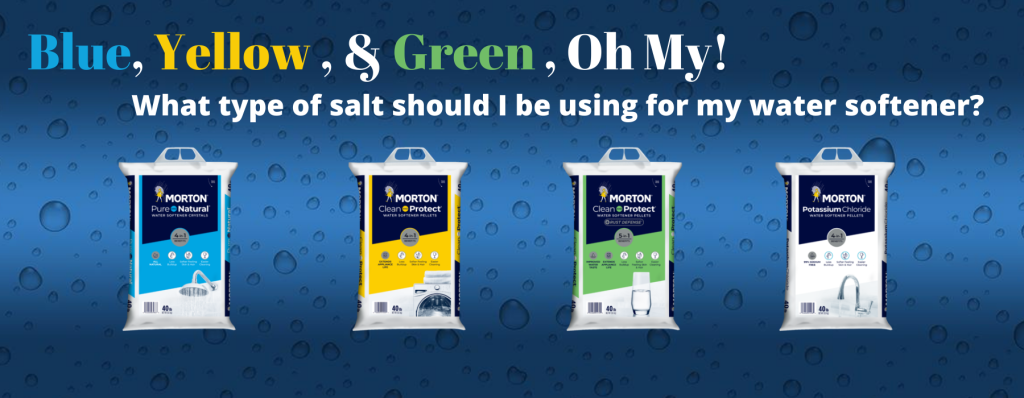
The type of salt you choose directly impacts how quickly your system gets dirty and how often it needs cleaning.
Avoid Rock Salt for Best Results
Different salts leave different amounts of residue, which affects how hard your cleaner has to work.
Compare these common salt types:
* Rock Salt: Cheap but dirty, leaves sludge that increases clogs
* Solar Salt: Mid-tier purity with some sediment formation
* Evaporated Salt: 99.9% pure, minimizes buildup and enhances cleaning
* Potassium Chloride: Sodium-free alternative that is safe but costly
Pairing evaporated salt with your quarterly cleaner treatments delivers the cleanest results and longest system life.
Prevent Salt Bridges and Blockages
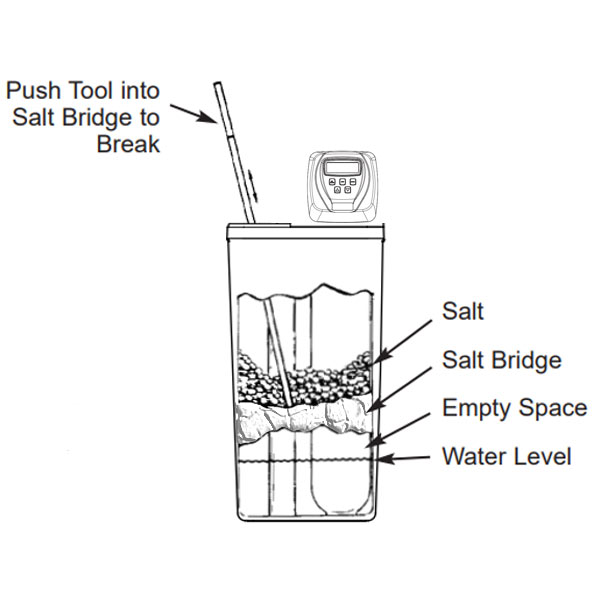
Even with regular cleaning, physical blockages can stop the regeneration process entirely.
Detect and Break Salt Bridges
A salt bridge is a hard crust that forms across the brine tank, creating a gap between the salt and the water below. This prevents brine formation, meaning the cleaner cannot enter the system.
How to check:
* Tap the side of the tank to listen for a hollow sound
* Look for a dome-shaped layer floating above the water line
How to fix:
1. Use a broom handle or plastic rod
2. Gently push down in several spots to break the crust
3. Stir the salt lightly to ensure water contact
Never use metal tools to break bridges, as they can puncture the tank liner.
Ensure Safety and Compatibility
This cleaning solution works on all brands, but you must handle the chemical contents with care.
Handle Acid-Based Solutions Safely
Whirlpool Water Softener Cleaner is safe for all water softener brands, including Kenmore and EcoPure. However, it is an acid-based solution carrying a California Proposition 65 warning for reproductive harm.
Follow these safety precautions:
* Wear gloves and eye protection during application
* Keep the product away from children and pets
* Store in the original container in a cool, dry place
* Do not mix with bleach or other household cleaners
Always review the Material Safety Data Sheet if you have concerns about ventilation or handling.
Verify Cleaning Success
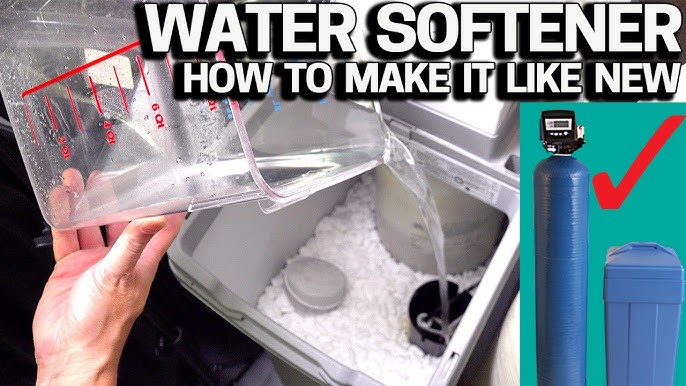
After each treatment, you should notice immediate improvements in your water quality and system behavior.
Look for These Positive Signs
Within 24 hours of completing the cycle, check for these indicators that the cleaner worked effectively:
* Restored water pressure at faucets and showers
* Softer feeling water on skin and hair
* Elimination of rotten egg smells caused by iron bacteria
* Clearer water inside the brine tank
User Insight: Over 893 verified buyers rate this product 4.7 out of 5 stars, citing restored performance and odor removal as top benefits.
Frequently Asked Questions About Whirlpool Water Softener Cleaner
How often should I use Whirlpool water softener cleaner?
You should use the cleaner every four months to prevent iron and scale buildup. Sticking to this quarterly schedule ensures your resin bed stays clean and your warranty remains valid.
Can I use this cleaner with non-Whirlpool systems?
Yes, this cleaner is compatible with all brands and models of water softeners. It is specifically engineered for Whirlpool, Kenmore, and EcoPure but works safely on any resin-based system.
What happens if I forget to regenerate after pouring?
The cleaner will sit in the brine well and never reach the resin bed. You must press and hold the recharge button for three seconds to force the system to draw the solution in.
Does using this cleaner really extend my warranty?
Yes, consistent use every four months can extend standard warranties to five years and Pro Series warranties to ten years. You must keep receipts and register your unit to qualify.
Is it safe to use water immediately after cleaning?
No, you must wait at least two hours after starting regeneration. This ensures the system rinses all acid-based solution out of your plumbing lines before you use the water.
Key Takeaways for Using Whirlpool Water Softener Cleaner
Maintaining your water softener requires discipline, but the rewards include better water quality and significant warranty protection. Remember to pour the full bottle into the brine well when salt levels are low, force a regeneration cycle, and wait two hours before using water.
By following this four-month schedule and keeping your receipts, you protect your investment from costly repairs and premature failure. Start your next maintenance cycle today to ensure your system runs efficiently for years to come.