
Reverse osmosis how much water is wasted? The answer depends on your system, but most RO units produce 1 to 6 gallons of wastewater for every gallon of purified water. This isn’t water “lost” in a traditional sense. It’s a necessary byproduct used to flush contaminants from the membrane. Still, for eco-conscious households, understanding and reducing this waste matters.
If you’re using an older RO system, you could be wasting over 1,800 gallons per year just to fill a few drinking glasses daily. But modern high-efficiency models now achieve near 1:1 ratios, cutting waste by up to 80%. This guide breaks down real-world wastewater ratios, explains why RO systems produce reject water, and shows exactly how much water is typically wasted.
RO Wastewater Ratios Explained

The amount of water reverse osmosis wastes is measured as a waste-to-pure water ratio, indicating how many gallons go down the drain per gallon of filtered drinking water produced.
Standard vs. High-Efficiency Systems
Older tank-based RO systems typically produce 3 to 6 gallons of wastewater for every gallon of purified water. A Gold Line 50 system tested at 6:1, discharging 15 gallons of waste for just 2.5 gallons of clean water. Most modern mid-tier under-sink units fall into the 3:1 to 4:1 range.
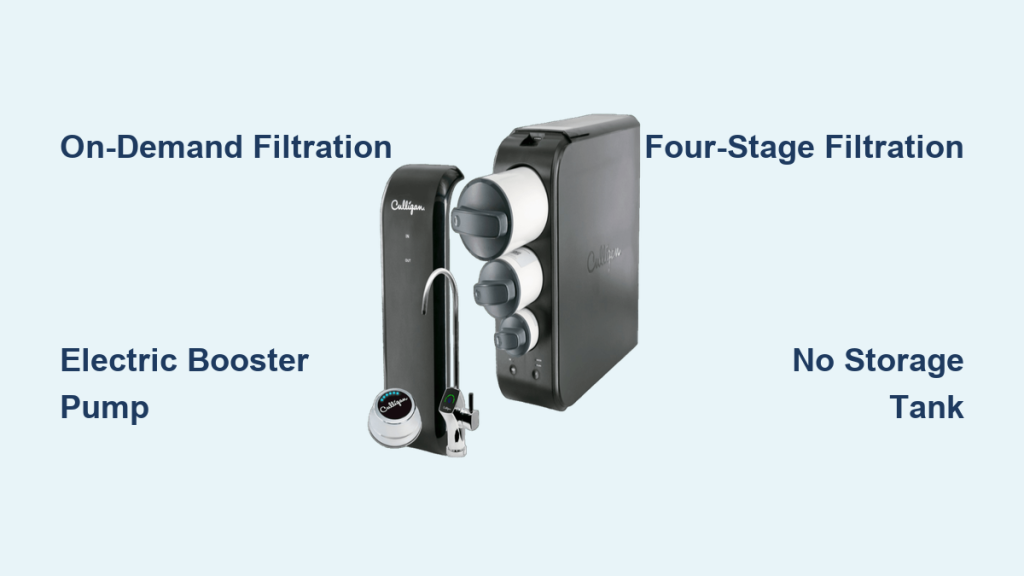
High-efficiency models like the Water Saver 75 generate only 6 gallons of waste for 2.5 gallons of output, achieving a 2.4:1 ratio. Tankless systems like the Waterdrop G3P600 operate near 1:1 under ideal conditions, making them among the most water-efficient options available.
What This Means for Your Home
If your household drinks 1 gallon of RO water per day with a 3:1 system, you waste 1,095 gallons per year. That number jumps to 1,825 gallons per year with a 5:1 system. With a modern 1:1 system, waste drops to just 365 gallons annually. For families producing 50 gallons weekly, inefficient systems can waste over 150 gallons per day, equivalent to three full bathtubs.
Why RO Systems Produce Wastewater
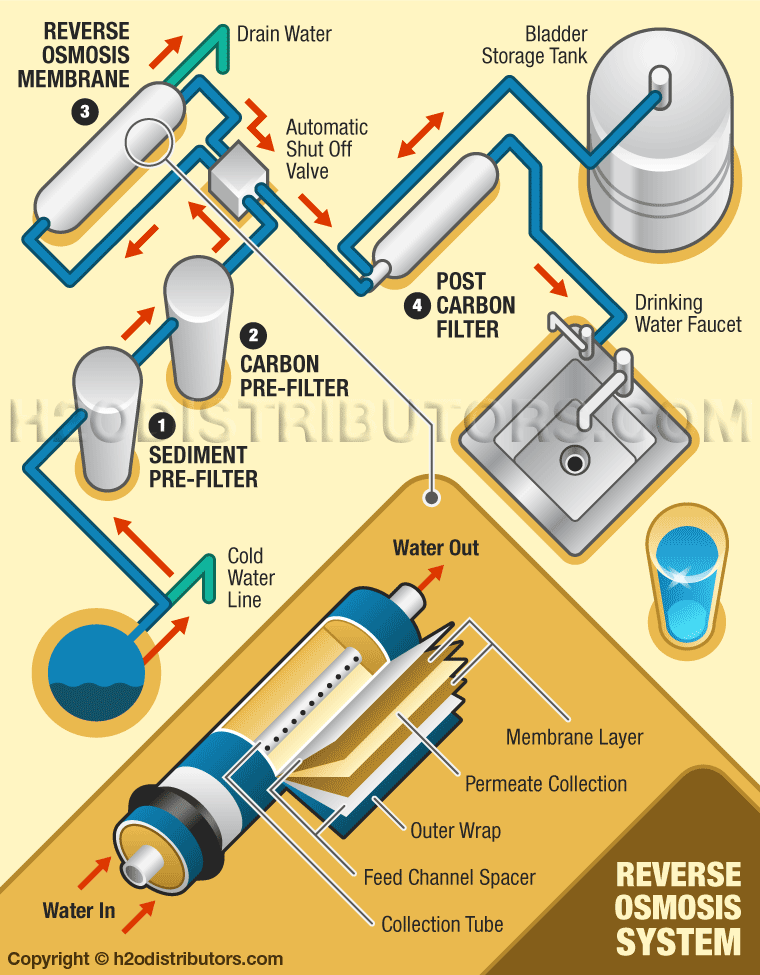
Reverse osmosis how much water is wasted ties directly to how the technology works. Wastewater isn’t a flaw. It’s essential to the purification process.
Contaminants Must Be Flushed Away
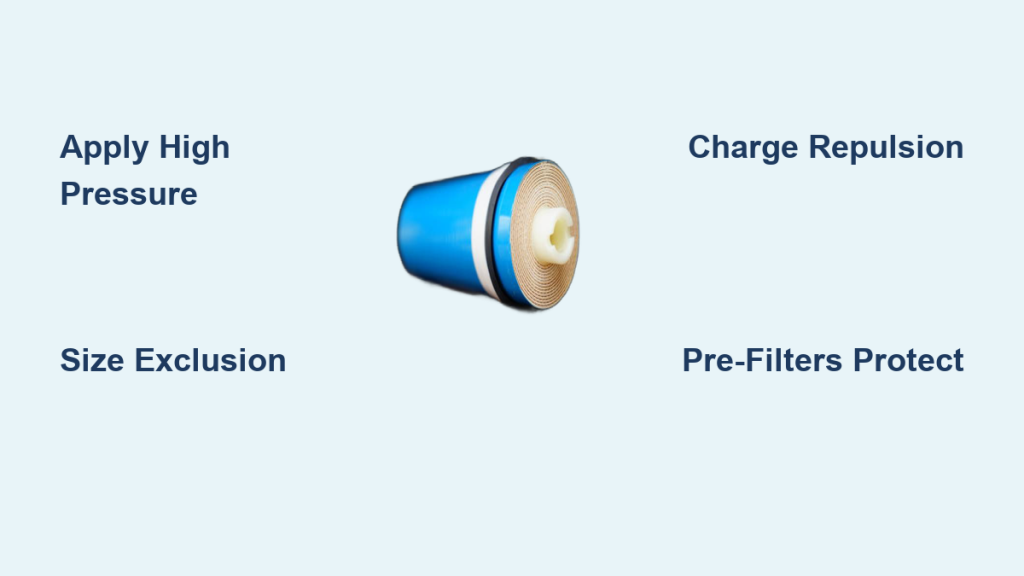
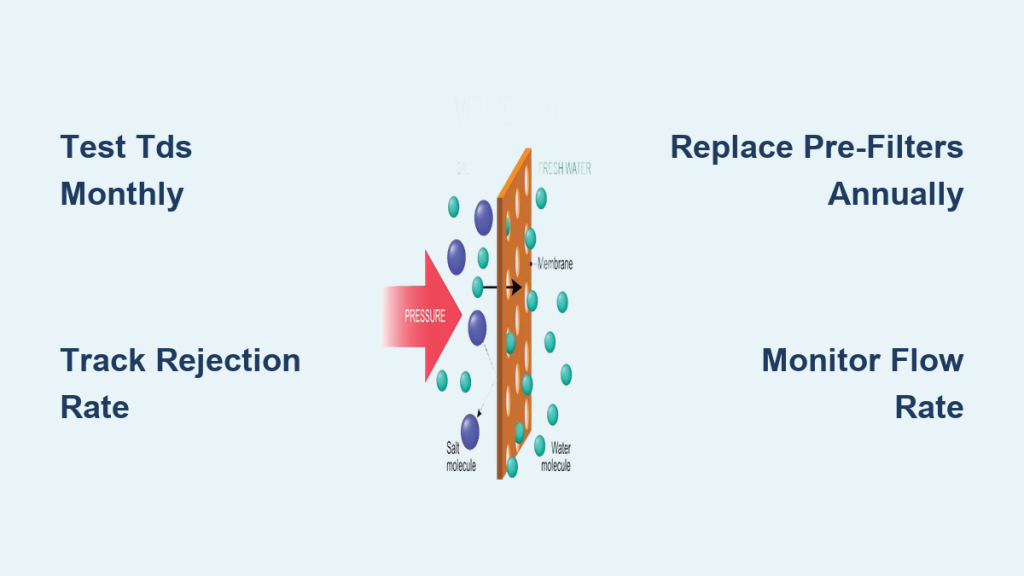
RO membranes block dissolved solids, heavy metals, nitrates, and PFAS. But if those impurities stayed on the membrane, they’d cause fouling, scaling, and permanent damage. The reject stream carries them away, acting like a continuous self-cleaning cycle. Think of it like washing dishes. You use water to rinse off grease, and that rinse water isn’t wasted. It’s doing a job.
Osmotic Backpressure Requires Extra Flow
Higher TDS in feed water creates osmotic backpressure, resisting purified water formation. To overcome this, more feed water is needed to push clean water through the membrane, some of which must exit as waste. Without sufficient reject flow, pressure imbalances occur, reducing efficiency and shortening membrane life.
Factors That Increase RO Water Waste

Several variables determine how much water your system actually wastes. Many are fixable with upgrades or basic maintenance.
Low Feed Water Pressure
RO systems require a minimum of 40 psi, with an ideal range of 60 to 70 psi. Below 40 psi, membranes stall and produce only wastewater with no purified water. Homes with well water or pressure-reducing valves often fall below this threshold. Installing a booster pump restores efficiency and slashes waste.
Cold Water Temperatures
RO membranes are rated at 77°F. For every degree below this benchmark, permeate production drops and waste rises. Well water in winter, as low as 40 to 50°F, can reduce output by 30 to 50%, resulting in longer run times and more water sent to the drain.
High TDS or Hard Water
Feed water with over 500 ppm TDS increases osmotic pressure, requiring more water to generate permeate. Hard water promotes scaling, while nitrates, chlorides, and heavy metals also elevate waste ratios. Use a TDS meter to monitor input quality. In areas with low TDS under 300 ppm, RO may be unnecessary and wasteful.
Clogged Filters or Aging Membranes
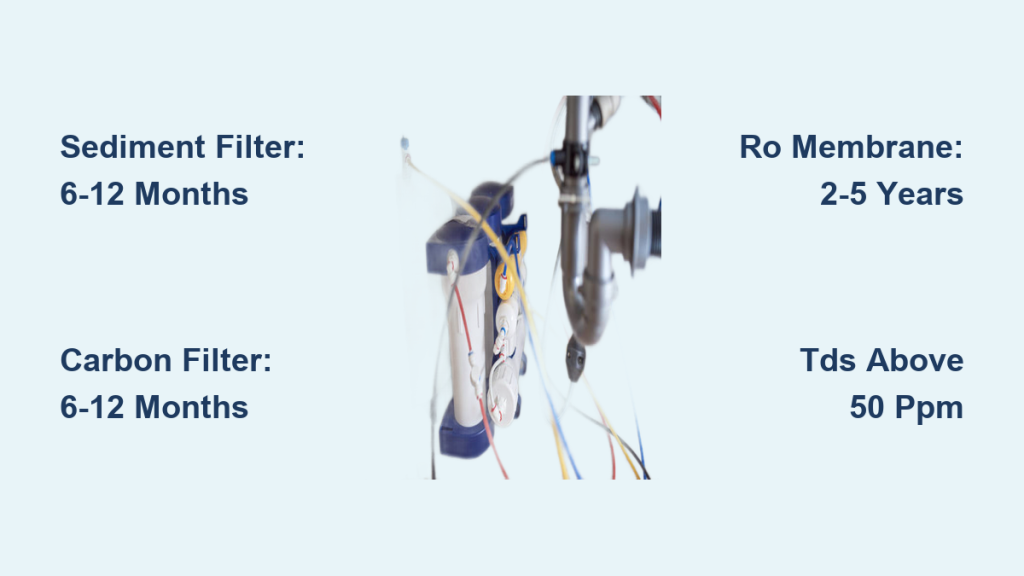
Clogged sediment or carbon pre-filters reduce pressure to the membrane, causing more waste. Aging membranes lose efficiency, leading to higher waste and TDS creep. Biofilm buildup disrupts flow and filtration. Replace pre-filters every 6 to 12 months and membranes every 2 to 3 years, or sooner if TDS exceeds 50 ppm.
What’s in RO Wastewater?
RO reject water isn’t chemically toxic, but it’s not safe to drink. It contains concentrated versions of what was removed from your tap water.
Typical contaminant levels in wastewater include TDS of 600 to 1,500+ mg/L, elevated sodium, high chlorides, and concentrated heavy metals like lead and arsenic. PFAS compounds are also concentrated in the reject stream. While safe for skin contact, this mineral-heavy water can damage salt-sensitive plants, leave scale on surfaces, and affect taste if used in cooking. Always test TDS before reusing. Avoid use if above 1,000 mg/L.
Can You Reuse RO Wastewater?
Yes. Smart reuse turns waste into a resource. Millions of liters are repurposed globally in homes and industries.
Safe Household Uses
RO wastewater works well for flushing toilets, which use about 30% of indoor water. Collect reject water in a bucket and pour into the bowl for flushing, saving 3 to 5 gallons per person per day. It’s ideal for mopping tile, concrete, and garage floors, though avoid on wood or delicate finishes. Use it for pre-rinsing dishes and laundry before the final wash. For outdoor plants, it’s safe for lawns, shrubs, and drought-tolerant varieties, but avoid for vegetables, houseplants, or young trees. Always test TDS first and skip if above 1,000 mg/L.
Industrial Applications
Industries use RO concentrate for cooling towers, boiler feedwater pre-treatment, and process rinsing in manufacturing. A semiconductor plant in Asia reported saving over 1 billion gallons annually through RO wastewater recovery.
How to Reduce RO Water Waste
You don’t have to live with high waste ratios. These proven strategies cut discharge by 50 to 85%.
Install a Permeate Pump
A permeate pump reduces waste by up to 85%. It uses energy from the concentrate stream to boost permeate flow without electricity and works with most standard RO systems.
Upgrade to a Tankless RO System
Models like Waterdrop G3P600 achieve 1:1 ratios. They use advanced membranes and real-time flow control, automatically shutting off when the tank is full.
Add a Booster Pump
A booster pump maintains 60 to 70 psi pressure even with low municipal supply. It prevents membrane starvation and excessive bleed-off, essential for well water users.
Choose High-Efficiency Models
Look for waste ratios labeled 2:1 or lower, built-in permeate or booster pumps, smart monitoring with TDS and flow sensors, and ASVs with over 90% closure.
Reuse Waste Water Strategically
Place a collection tank under the drain line and label it clearly. Use same-day to prevent stagnation.
Environmental and Regulatory Impact
RO water waste isn’t just a household concern. It’s regulated in water-stressed regions.
India’s National Green Tribunal bans RO use where feed water TDS is below 500 mg/L, citing unnecessary mineral removal and excessive waste. California and Arizona utilities discourage inefficient systems during droughts. The EU Water Framework Directive limits brine discharge into natural waterways. These policies reflect growing awareness that while RO purifies water, it increases demand on supply systems.
RO vs. Bottled Water: The True Cost
Despite water waste, RO remains far more sustainable than bottled alternatives.
RO water costs $0.007 to $0.02 per gallon, including waste, while bottled water costs $1.22 to $7.50 per gallon. Even with a 3:1 waste ratio, RO water costs less than 1% of bottled water. One household can eliminate over 1,000 plastic bottles annually by switching to RO.
Best RO Systems for Low Water Waste
Top high-efficiency models include the Waterdrop G3P600 with a 1:1 ratio and tankless design, the Water Saver 75 with a 2.4:1 ratio, the HydroGuard HDGT-45 with a 2:1 ratio, and the APEC ROES-50 with a permeate pump that drops efficiency from 3:1 to 1.4:1. Avoid unverified zero-waste claims. True zero discharge doesn’t exist. Only redirection.
Maintenance Tips to Prevent Excess Waste
Poor upkeep is a top cause of inflated waste ratios.
Replace sediment and carbon filters every 6 to 12 months. Replace the RO membrane every 2 to 3 years or if TDS exceeds 50 ppm. Sanitize the system every 6 months using hydrogen peroxide or a 5-minute bleach soak. Check ASVs and tubing annually, and monitor TDS monthly.
Frequently Asked Questions About Reverse Osmosis Water Waste
Is RO wastewater harmful?
No. RO wastewater is non-toxic but contains concentrated minerals and contaminants. It’s safe for skin contact and reuse in non-potable tasks like cleaning or flushing.
Can I drink RO reject water?
No. High TDS and potential heavy metals make it unsafe for consumption. Use it only for non-potable purposes.
Is it safe for pets?
Not recommended. High mineral load can strain kidneys. Provide pets with clean, filtered water only.
Does all RO water waste go to the sewer?
Yes, unless redirected via reuse or recirculation in zero-waste models.
Why does my RO system run constantly?
Likely causes include a faulty ASV, low pressure, a clogged membrane, or a tank air bladder failure. All increase waste.
Can I connect RO waste to my irrigation system?
Only if TDS is under 1,000 mg/L and plants are salt-tolerant. Monitor soil salinity regularly.
Final Takeaways on Reducing RO Water Waste
Reverse osmosis how much water is wasted matters, but context is key. For most homes, RO waste is a small fraction of total water use. A 10-minute shower uses 25 gallons, equal to a full day’s waste from a 3:1 system. One laundry cycle uses 30 to 50 gallons. Outdoor irrigation can use hundreds per hour.
Still, in drought-prone areas or inefficient setups, RO waste adds up. The solution is straightforward. Choose high-efficiency systems, maintain them regularly, and reuse the concentrate. With the right setup, you can enjoy lab-grade drinking water while minimizing environmental impact. For those prioritizing conservation, ultrafiltration offers zero-waste microbial protection, though it doesn’t remove dissolved solids.
Ultimately, RO remains one of the most effective ways to ensure safe drinking water. By understanding how much water is wasted and how to reduce it, you gain control over both purity and sustainability.