
Hard water causes scale buildup in pipes and reduces soap lathering, but how to use water softener salt properly is the key to fixing these issues. Your system relies on this salt to regenerate resin beads that remove calcium and magnesium from your water supply. Without the correct amount and type of salt, your softener cannot create the brine needed to clean itself, leaving you with hard water despite the machine running.
This guide explains exactly how to check levels, choose the right salt type, and refill your brine tank without causing damage. You will learn the specific signs that indicate a refill is needed and how to troubleshoot common problems like salt bridging. Follow these steps to ensure your system runs efficiently and protects your appliances for years.
When to Add Water Softener Salt Based on Water Levels
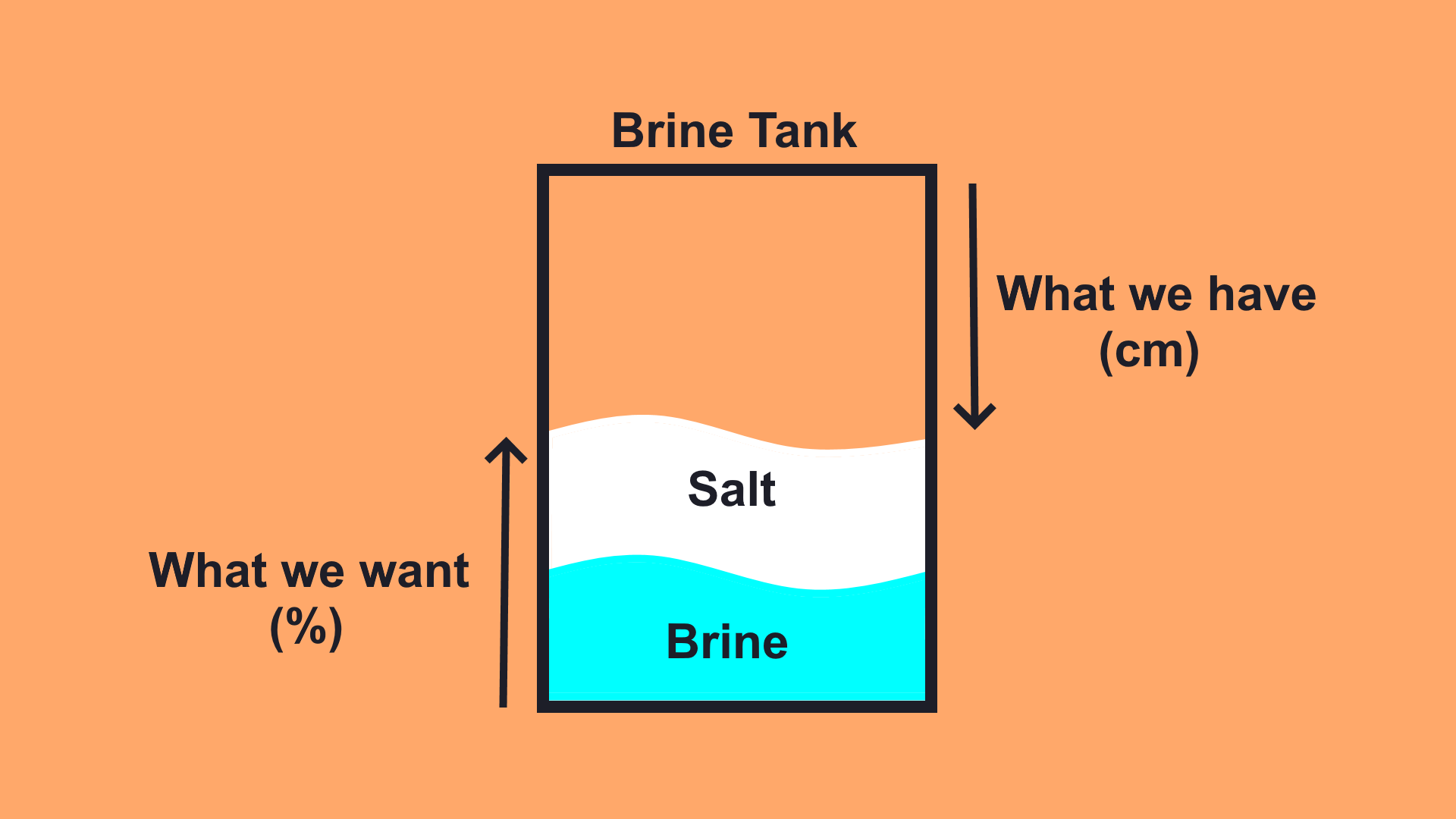
You must monitor your brine tank regularly to prevent the system from running dry. Hard water will return immediately if the salt level drops too low to form brine during the regeneration cycle.
Check Salt Levels Monthly
Make it a habit to inspect your brine tank at least once every month. This frequency helps you identify usage patterns specific to your household size and water hardness. Open the lid and look inside to see if the salt level is sufficient. If you see only solid salt, your system likely has enough supply. Regular checks prevent unexpected failures and ensure consistent soft water output.
Apply the See Water Add Salt Rule
The most reliable indicator for refilling is the visibility of standing water above the salt. It is normal to see 4 to 6 inches of water in the bottom after a regeneration cycle. However, the salt level must always remain higher than the water line. If you see water pooling on top of the salt or visible around the edges, you must add salt immediately.
Maintain the 4-Inch Safety Buffer
Keep the salt level at least 3 to 6 inches above the water line at all times. This buffer ensures enough salt is available to create brine between refills. Never let the salt drop below the water line, as this stops the regeneration process. Also, leave 4 to 6 inches of space below the tank lid to prevent overfilling, which can cause structural stress.
Step-by-Step Guide to Refilling Your Brine Tank
Refilling your system is a simple task, but proper technique prevents common issues like clogging or bridging. Follow these steps to add salt safely and effectively.
Prepare the Brine Tank for Refilling
Locate the brine tank, which is usually a gray or black cylinder next to the main softener unit. Remove the lid carefully and inspect the interior for any signs of salt bridging or mushing. Clear any debris from the lid or opening to avoid contaminating the system. Ensure the area around the tank is clean before you begin pouring.
Pour Salt Evenly Into the Tank
Add salt in increments, typically using one 40-pound bag at a time. Pour the salt evenly across the surface rather than dumping it all in one spot. Uneven distribution can disrupt brine formation and damage internal components. Continue adding salt until the standing water disappears under the salt layer.
Stop at the Recommended Fill Line
Stop filling when the salt reaches the recommended level or leaves 4 to 6 inches of headspace below the lid. Overfilling adds excessive weight that can damage the tank and increases the risk of salt bridging. Wipe away any spilled salt from the tank exterior and floor immediately, as salt is corrosive and creates slip hazards.
Choosing the Right Water Softener Salt Type
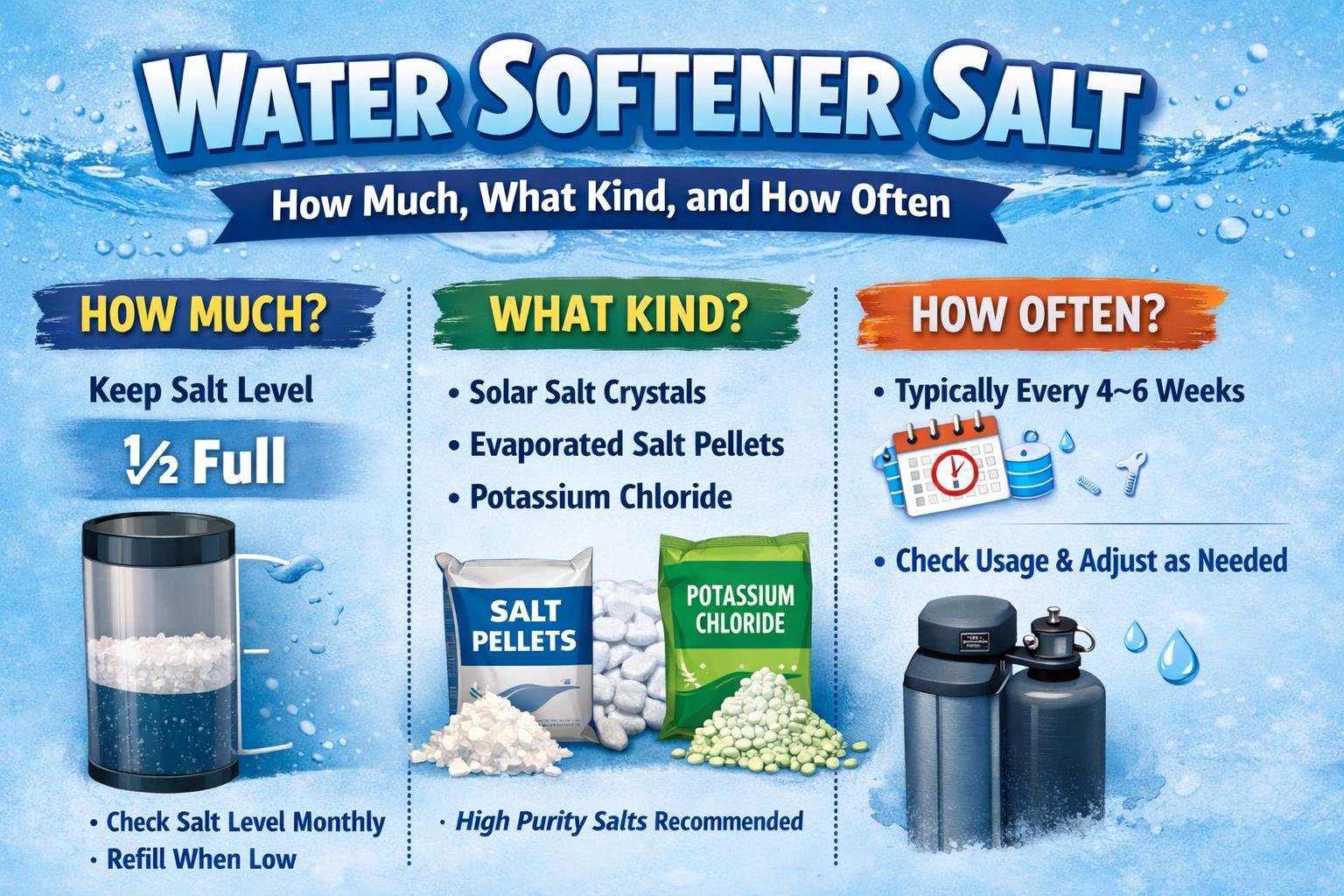
Selecting the correct salt type impacts maintenance frequency and system longevity. Different salts offer varying levels of purity and insoluble matter.
Evaporated Pellets Offer Highest Purity
Evaporated salt pellets are the top choice for most systems due to their 99.7% to 99.99% purity. They dissolve slowly, leave minimal residue, and often contain additives like sodium hexametaphosphate to prevent bridging. These compact, pillow-shaped pellets work well in cabinet-style softeners and significantly reduce maintenance needs.
Solar Salt Works for Moderate Usage
Solar salt is harvested by evaporating seawater and comes in crystals or larger gems. It is about 99.6% to 99.8% pure and effective for light to moderate hardness levels. While more affordable, it produces more insoluble matter than pellets. This means you may need to clean the tank more often, especially in homes with high water usage.
Rock Salt Requires Frequent Cleaning
Rock salt is the least pure option, ranging from 95% to 98.5% sodium chloride. It contains significant amounts of clay, dirt, and other impurities that settle as sludge. This buildup can clog valves and brine lines, requiring cleanouts every 6 to 12 months. Only use rock salt in non-cabinet units with large brine tanks.
Potassium Chloride Provides Sodium-Free Option
Potassium chloride is a viable alternative for those on strict sodium-restricted diets. It regenerates resin just like sodium chloride but releases potassium ions instead. However, it is more expensive and can be harmful to individuals with kidney issues. Consult your doctor before switching to this type of salt.
Avoid Mixing Different Salt Types and Brands
Mixing different forms of salt can lead to operational issues and increased maintenance requirements. Consistency is key for optimal performance.
Do Not Combine Pellets and Crystals
Mixing different salt forms, such as pellets with rock or solar crystals, increases the risk of salt bridging. Fine particles fill gaps between larger ones, creating a dense mass that resists water penetration. If you want to switch types, let the tank run nearly empty first to prevent layering.
Stick to One Brand for Consistency
Switching brands frequently can introduce varying additives or densities that affect performance. For consistent results, pick a high-quality brand and stick with it. If your manufacturer recommends a specific salt, follow their guidance to maintain warranty coverage.
Troubleshoot Common Water Softener Salt Problems
Even with regular maintenance, issues like bridging or mushing can occur. Knowing how to identify and fix these problems saves time and money.
Fix a Salt Bridge in the Tank
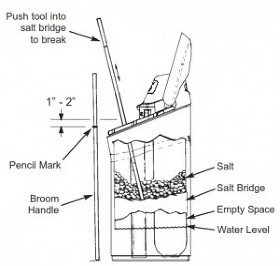
A salt bridge forms when salt hardens into a crust across the tank, trapping air underneath. The tank looks full, but water cannot reach the salt to make brine.
1. Use a broom handle or plastic rod to gently poke the surface.
2. If you hit resistance before reaching the bottom, a bridge exists.
3. Carefully break the crust around the edges until the salt collapses.
4. Add a little water if needed to help dissolve chunks.
Clear Salt Mush From the Bottom
Salt mushing occurs when dissolved salt recrystallizes into a sludge layer at the bottom. It blocks brine flow and reduces efficiency.
1. Turn the softener to bypass mode.
2. Remove all salt and water from the tank.
3. Scoop out the sludge and rinse the tank thoroughly.
4. Refill with high-purity pellets and return to service.
Address Rapid Salt Disappearance
If salt seems to vanish too fast after switching types, it may be due to bulk density differences. Solar salt is less dense than pellets, so it fills more volume per pound. Alternatively, the water level setting might be too high for the new salt type. Check your manual and adjust the brine refill level accordingly.
Maintain Optimal Performance With Regular Checks

Routine maintenance ensures your system continues to deliver soft water efficiently. Simple weekly and quarterly checks can prevent major issues.
Test Water Softness Weekly
Even with proper salt levels, your system can fail. Do a simple soap lather test every week. Wet your hands, apply soap, and rub. Soft water should feel slick and produce rich lather quickly. If soap does not lather well, your water may be hard, indicating a regeneration problem.
Inspect the Bypass Valve Quarterly
Accidentally bumping the bypass valve sends hard water through your home. Every three months, check that the valve is set to “Service” or “Softening.” A quick visual confirmation prevents months of unnoticed hard water damage to your appliances.
Clean the Brine Tank Annually
Inspect the tank once a year even if you use high-purity salt. Remove salt and water, then scrub the interior to eliminate any buildup. This ensures the float and brine valve operate freely. If you use rock salt, clean the tank every 6 months.
Handle Power Outages and System Resets Properly
Power losses can disrupt your softener’s schedule, requiring manual intervention to restore normal operation.
Reset the Clock After Outages
A power loss can reset your softener’s timer. Press the “Set” button and use the up or down arrows to re-enter the correct time. Once set, the system resumes its regeneration schedule. Some models remember settings during short outages, but it is best to verify.
Ensure Regeneration Completes Fully
If power returns mid-cycle, the softener may restart the regeneration process. Let it complete without interruption. Interrupting regeneration wastes salt and water and leaves resin partially charged, resulting in hard water output.
Know What Water Softener Salt Cannot Do
Understanding the limitations of your system prevents frustration and ensures you address water quality issues correctly.
Salt Does Not Remove Rotten Egg Smell
If your water smells like sulfur, salt will not fix it. Hydrogen sulfide gas requires oxidation or filtration, such as activated carbon or aeration. Adding more salt will not help and may mask the underlying issue.
Limited Iron Removal Capabilities
Some salts contain iron-fighting additives that help remove up to 2 ppm of iron. But if rust stains persist, your water likely has more than 2 ppm. In that case, you will need a dedicated iron filter or a periodic deep clean with a specialized product.
Avoid Salty-Tasting Drinking Water
If your drinking water tastes salty, brine is not rinsing out properly. This could be due to a clogged drain line, faulty injector, or control valve issue. Stop using the water and call a technician, as consuming high-sodium water regularly is unsafe for some individuals.
Safety and Environmental Tips for Salt Usage
Proper handling and disposal of salt protect your family, pets, and the environment.
Do Not Discharge Brine on Lawns
Softener discharge contains concentrated salt that kills grass and damages soil structure. Never route the drain line to your yard. Instead, connect it to a sewer or dry well. If outdoor discharge is unavoidable, dilute the brine with at least 20 parts water to 1 part brine.
Keep Salt Away From Pets
Water softener salt is not safe for animals. The particle size can cause choking, and additives may be toxic. Store bags in a sealed container and clean up spills immediately. Do not use softener salt in animal feeders or water troughs.
Do Not Use for De-Icing or Food
Despite being salt, softener pellets are not for de-icing or cooking. Additives and compression make them unsuitable for melting ice or food preservation. Similarly, they are not food-grade and should not be used for canning or pickling.
Extend Your Softener Lifespan With Proper Care

Long-term care involves monitoring components beyond just the salt level. These steps maximize the life of your investment.
Monitor Resin Health Regularly
Ion exchange resin lasts 20 to 25 years under normal conditions. If you are adding salt regularly and no bridging exists, but water is still hard, resin may be exhausted. Replacement is the only fix. Delaying it leads to scale damage in water heaters and plumbing.
Follow Manufacturer Guidelines Strictly
Using the wrong salt or skipping maintenance can void warranties. Many brands offer lifetime parts coverage and 5-year resin warranties only if you follow maintenance rules. Stick to recommended salt types and keep records of refills and cleanings.
Consider Smart Monitoring Upgrades
Upgrade with a smart salt monitor to get real-time alerts when salt is low. These devices attach to your brine tank and send notifications to your phone. They eliminate guesswork and prevent system downtime due to empty tanks.
Frequently Asked Questions About Water Softener Salt
How often should I add salt to my water softener?
Most households need to add salt every 2 to 4 months, depending on usage and water hardness. You should check the tank monthly and add salt whenever the level drops below the water line. High usage homes may need to refill monthly.
Can I mix different types of water softener salt?
It is best to avoid mixing different types like pellets and crystals, as this can cause salt bridging. If you want to switch types, let the tank run nearly empty first. Stick to one brand and type for consistent performance.
Why is there water in the bottom of my salt tank?
Seeing 4 to 6 inches of water in the bottom of the tank is normal after a regeneration cycle. This water dissolves the salt to create brine. However, the salt level should always remain higher than the water level.
What happens if I use the wrong type of salt?
Using low-purity salt like rock salt can cause sludge buildup, clogging valves and requiring frequent cleanouts. Using de-icing salt can damage the system entirely. Always use salt specifically designed for water softeners.
Does water softener salt remove iron from water?
Standard salt does not remove iron, but some pellets contain additives that handle up to 2 ppm of iron. If your iron levels exceed this limit, you will need a dedicated iron filter or a specialized cleanser in addition to your salt.
Key Takeaways for Using Water Softener Salt Effectively
Proper maintenance of your water softener relies on knowing how to use water softener salt correctly. Check your tank monthly, maintain a salt level 3 to 6 inches above the water line, and use high-purity evaporated pellets to minimize maintenance. Avoid mixing salt types and clean the tank annually to prevent bridging and mushing.
By following these guidelines, you ensure your system delivers consistent soft water and protects your plumbing for over 15 years. Start by checking your salt levels today and schedule your next tank cleaning if it has been more than a year.