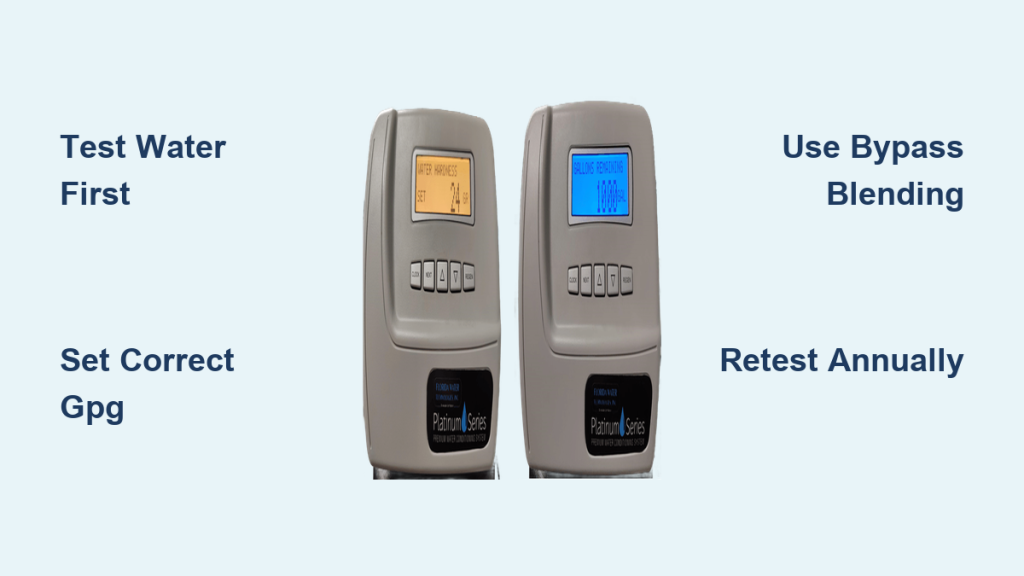
Hard water leaves chalky deposits on fixtures and makes soap struggle to lather, silently damaging your home’s plumbing. The solution lies in correctly programming your water softener hardness setting to match your specific water supply.
This guide explains how to test your water accurately and input the right number to prevent waste. You will learn to achieve the ideal balance of scale protection and comfortable water feel without guessing.
Test Your Raw Water Supply First

Accurate data is the foundation of a working system. Guessing your water hardness leads to inefficient cycles and potential appliance damage.
Select the Best Testing Method
Choose a testing approach that matches your water source and need for precision.
- Use Test Strips for Quick Checks: Dip-and-read strips offer a fast estimate suitable for city water with stable quality. They provide a general range but cannot detect iron or pH issues.
- Order Lab Analysis for Precision: Certified labs provide exact grains per gallon (gpg) data plus iron and manganese levels. This is essential for well water or complex water chemistry.
- Review Municipal Reports: City water users can find average hardness in annual Consumer Confidence Reports. Convert parts per million (ppm) to gpg by dividing by 17.1.
Verify Output After Installation
Retest your water after the softener runs a cycle. Fill a clean glass from a cold tap downstream of the unit. Confirm the result falls between 0 and 3 gpg. Higher readings indicate a setting error or a mechanical issue like a bypass valve leak.
Input the Correct Hardness Value
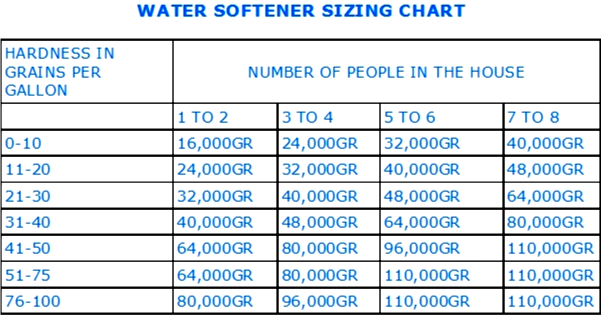
Your softener uses the input number to schedule resin regeneration. Entering a value lower than your actual hardness causes the resin to exhaust early.
Match Settings to Raw Water Levels
Enter the exact gpg value from your test results. Do not round down unless your control dial lacks the precision to do otherwise.
| Raw Water (gpg) | Recommended Setting | Operational Notes |
|---|---|---|
| 5 – 10 | 5 – 10 | Low salt usage with long intervals |
| 15 – 20 | 15 – 20 | Standard configuration for most homes |
| 25 – 30 | 25 – 30 | Monitor salt levels monthly |
| 35+ | 35+ or upgrade unit | Standard units may struggle with this level |
Digital panels allow exact entry while manual dials require careful alignment to the nearest mark.
Avoid Common Configuration Errors
Never set the value to zero unless your system has an active blending feature. A zero setting tells the system no hardness exists, preventing regeneration entirely.
Do not overestimate to be safe. Setting 40 gpg when your water is 25 gpg triggers unnecessary cycles. This wastes up to 30% more salt and water without improving performance.
Account for iron content. Iron acts like extra hardness. Add 3–5 gpg to your setting for every 1 ppm of iron in your water. For example, 15 gpg hardness plus 2 ppm iron requires a setting of 21–25 gpg.
Use Bypass Blending for Better Feel
Ultra-soft water at 0 gpg can feel slippery and strip natural oils from your skin. Blending allows a small amount of hard water to mix with softened water.
Adjust Dial-a-Softness Valves
Many modern units include a bypass valve often labeled “Dial-a-Softness.” This mechanism mixes untreated water back into the flow.
Turn the dial to allow 10–30% bypass. This raises the final output to 2–3 gpg. This slight mineral presence eliminates the slippery sensation while still preventing scale buildup.
Wait 24 to 48 hours after adjusting the valve. The plumbing system needs time to flush out previously treated water before you feel the change.
Identify When Blending Helps
Blending is most effective in specific scenarios:
* Homes with moderate raw hardness between 10 and 20 gpg
* Users who dislike the slick feel of pure soft water
* Systems using potassium chloride salt which increases slipperiness
Limit blending to 5–10% if your raw water exceeds 30 gpg to avoid scale risks.
Optimize Regeneration Frequency
The water softener hardness setting directly controls how often your unit cleans its resin bed. Incorrect values disrupt this schedule.
Understand Hardness Impact on Cycles
Higher input values trigger more frequent regeneration. A family of four with 15 gpg water might regenerate every 5–7 days. The same system with 30 gpg water regenerates every 2–3 days.
Digital meters track usage to initiate cycles based on actual consumption. Time-based models run on a fixed schedule and are less efficient if water use varies.
Prevent Hard Water Breakthrough
Soap scum returning to dishes or scale on faucets signals breakthrough. Common causes include:
* Under-set hardness number
* Salt bridge forming in the brine tank
* Low salt levels
* Iron fouling the resin bed
Check your salt weekly and refill when the tank is half full. Clean the brine tank annually to remove sludge.
Maintain Settings Year-Round
Water sources change over time. Seasons and plumbing age can alter mineral levels in your supply.
Retest Every 6 to 12 Months
City water fluctuates and well water varies even more. Re-test your supply at least once a year. Test more frequently if you notice:
* New spotting on glassware
* Reduced water heater efficiency
* Changes in skin feel or soap lather
Update your water softener hardness setting if raw water changes by plus or minus 5 gpg.
Watch for Visual Cues
Your home provides constant feedback on system performance:
* Spotty glasses: Indicates hard water breakthrough.
* Poor lather: Suggests exhausted resin or high settings.
* Static salt level: Points to a bridge or clog.
* Milky water: Usually air in lines after regeneration.
Address these signs immediately to prevent irreversible scale buildup.
Choose the Right System Capacity
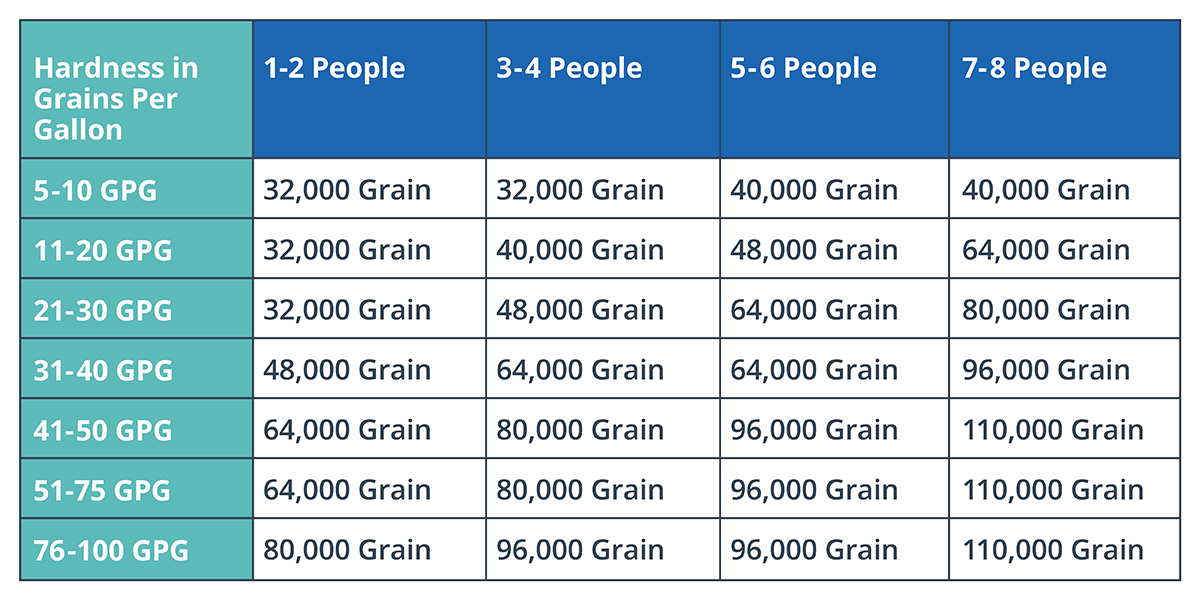
No setting can fix an undersized unit. You must match grain capacity to your specific needs.
Calculate Required Grain Capacity
Multiply the number of people by 80 gallons per day and then by your raw water gpg. A family of four with 25 gpg water needs 8,000 grains daily. A 40,000-grain unit handles this easily with a 5-day cycle.
Upgrade for Very Hard Water
Water exceeding 35 gpg requires special attention:
* Use high-capacity softeners rated for 64,000+ grains
* Install tandem dual-tank systems
* Add pre-filtration for iron or sediment
Standard single-tank units will regenerate daily under these conditions, wasting resources and shortening lifespan.
Trust Smart Features and Data

Modern technology simplifies water softener hardness setting management. Digital interfaces offer insights older mechanical models cannot.
Use Digital Monitoring
Smart models track daily usage and regeneration efficiency. Some provide app alerts for low salt or failed cycles. Remote adjustment lets you change settings from your phone after new test results arrive.
Enable Leak and Fault Alerts
Advanced systems notify you of valve errors or water leaks. These alerts help maintain consistent softening and prevent costly water damage.
Consult a Pro for Complex Water
Some water issues require expertise beyond simple hardness adjustment.
When to Call a Water Specialist
Seek professional help if your water contains:
* Iron levels above 1 ppm
* pH below 6.5 or above 8.5
* Sulfur odors or discoloration
* High manganese or tannins
A comprehensive analysis identifies all contaminants. You may need a multi-stage system including sediment filters or carbon filters alongside your softener.
Frequently Asked Questions About Water Softener Hardness Setting
What is the ideal post-softening hardness level?
The target range is 0 to 3 gpg. Many users prefer 2–3 gpg to avoid the slippery feel of absolute zero while still preventing scale buildup effectively.
How do I convert ppm to grains per gallon?
Divide your parts per million (ppm) value by 17.1. For example, 171 ppm divided by 17.1 equals 10 gpg. This conversion is vital for accurate programming.
Why does my skin feel slippery after showering?
This sensation often means your water is too soft (0 gpg). Use the bypass valve to blend in 10–30% hard water. This raises the mineral content slightly for a more natural feel.
How often should I retest my water hardness?
Test your supply every 6 to 12 months. Seasonal changes or source variations can alter hardness levels, requiring an update to your water softener hardness setting.
Can I set my softener to zero if I have very hard water?
No. Setting the input to zero tells the system no hardness exists, so it will never regenerate. Always enter the actual measured hardness of your raw water supply.
What happens if I set the hardness too low?
The resin bed will exhaust before the next regeneration cycle. This causes hard water breakthrough, leading to scale on fixtures and poor soap performance.
Key Takeaways for Your Water Softener Hardness Setting
Proper calibration protects your home and ensures comfort. Always base your water softener hardness setting on accurate test data rather than guesses. Aim for an output of 0–3 gpg and use blending features if the water feels too slippery.
Regular maintenance keeps the system running efficiently. Retest your water annually and clean your brine tank to prevent salt bridges. These simple steps extend appliance life and save money on salt and water.
Take action today by testing your current water hardness. Compare the result to your current setting and adjust if needed. Your plumbing and skin will thank you for the precision.