If your dishes still have spots or your laundry feels stiff, the issue might be a failed water softener backwash cycle. This critical first step cleans the resin bed by flushing out trapped sediment and iron before regeneration begins. Without it, your system wastes salt and lets hard water damage your pipes.
This guide explains exactly how the cycle works and why it fails. You will learn to diagnose flow issues, adjust cycle times for dirty water, and prevent expensive resin loss. Follow these steps to restore efficient operation and protect your home appliances.
How the Reverse Flow Cleans Resin Beds
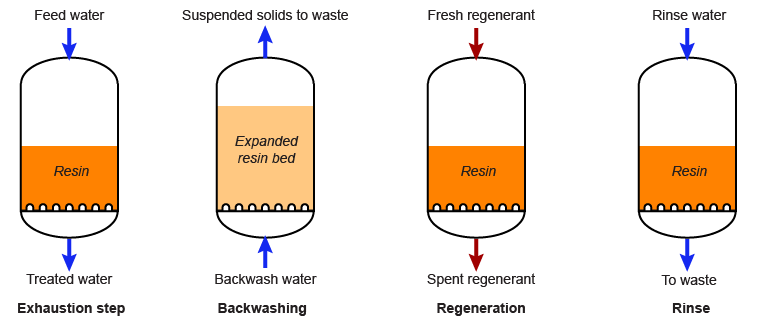
Normal operation pushes hard water downward through the resin tank to swap minerals. Over time, dirt and iron get trapped between the beads, blocking this exchange. The water softener backwash cycle reverses this direction completely. It forces fresh water upward through the tank to lift and separate the resin beads.
This upward surge creates turbulence that dislodges trapped particles. The dirty water then flushes out through the drain line. This process uses only fresh water with no salt involved. It is a purely mechanical cleaning step that must happen before any chemical regeneration starts.
Why 50 Percent Bed Expansion Is Critical
The goal of this cycle is to expand the resin bed by at least 50 percent. This expansion is not optional. It is the minimum requirement to fully fluidize the resin bed for effective cleaning. If the bed does not expand enough, several problems occur:
- Beads remain clumped together in tight packs
- Contaminants stay trapped deep within the resin
- Water creates channels around blocked areas
- Regeneration becomes uneven and ineffective
Insufficient expansion prevents the brine solution from reaching all the resin in the next step. This leaves pockets of hardness behind and reduces overall softening capacity.
Adjusting Flow Rates for Maximum Efficiency
Flow rate determines whether your water softener backwash cycle succeeds or fails. Too little flow leaves the bed compacted. Too much flow washes valuable resin beads down the drain. You must find the exact balance for your specific tank size and resin volume.
Most residential systems require between 5 and 8 gallons per minute. However, you should always verify this against manufacturer specifications. Use a flow meter or visual confirmation to ensure the bed lifts properly without losing media.
Dangers of Low Flow Compaction
Low flow rates prevent the resin bed from lifting. This leads to compaction where beads pack tightly together. Compacted resin blocks water flow and prevents even brine distribution. Signs of low flow include:
- No visible movement in the drain line during operation
- Persistent hardness in treated water despite regeneration
- Frequent need for manual regeneration cycles
To fix this, check your inlet water pressure. Inspect the control valve and flow restrictor for clogs or debris blocking the path.
Risks of High Flow and Resin Loss
Excessive flow forces beads upward with too much pressure. Some beads may escape through the riser tube and enter the drain line. Once lost, this resin cannot be recovered. Replacement is expensive and labor-intensive. Watch for these warning signs:
- Small amber or clear beads appearing in the drain hose
- Loud gurgling or splashing sounds from the drain
- Gradual reduction in softening performance over time
Adjust your flow control valve downward immediately if you see resin in the drain. Ensure your system settings match the required specifications for your tank.
Setting the Correct Cycle Duration

Time is just as important as flow rate. A water softener backwash cycle should run for at least 8 to 10 minutes. Anything shorter fails to flush out deeply embedded contaminants. Many timers default to 10 minutes, but this is a minimum, not a universal rule.
Short cycles lead to incomplete debris removal and rapid recontamination. They also increase salt consumption because the resin cannot regenerate properly. Always verify your programmed duration and adjust based on your specific water quality conditions.
Extending Time for Iron and Sediment
If your source water contains high levels of contaminants, standard times may not suffice. Increase the backwash duration if your water has:
- Iron levels above 0.3 parts per million
- Turbidity greater than 1 NTU
- High silt or manganese content
Consider running a manual override after heavy usage periods. You might also install pre-filtration to reduce the load on your softener. More time equals cleaner resin and better brine contact.
The Backwash Role in Full Regeneration

The backwash is step one of five in the complete regeneration sequence. Each step depends entirely on the success of the previous one. If step one fails, the entire process collapses. The full sequence includes:
- Backwash – Clean and expand resin bed
- Brine Draw – Recharge resin with sodium ions
- Slow Rinse – Finalize the ion exchange process
- Fast Rinse – Flush residual brine from the tank
- Brine Refill – Prepare brine tank for next cycle
A failed backwash compromises every subsequent stage. It is the foundation upon which effective softening rests.
Why Brine Draw Fails Without Cleaning
After backwashing, the system pulls brine from the salt tank. This solution must flow through every part of the resin bed. If the bed is dirty or compacted, the brine channels around blocked areas. Sodium ions cannot replace hardness ions in these untouched zones.
The result is a softener that regenerates but still delivers hard water. Think of it like washing a greasy pan. No amount of soap works until you rinse off the food scraps first. The backwash removes the scraps so the brine can do its job.
Diagnosing Common Backwash Failures

You can identify water softener backwash cycle issues by observing specific symptoms. Early detection prevents long-term damage to your system. Look for these common failure indicators during your next regeneration.
No Drain Flow During Operation
If no water flows to the drain during the scheduled time, the cycle is not running. Check your timer or control board settings first. Verify that solenoid valves have power and are operating correctly. Inspect the drain line for kinks or clogs that block flow.
Use a multimeter to test solenoids if you suspect electrical failure. Review the regeneration log to confirm the system initiated the correct sequence.
Resin Beads in the Drain Line
Finding small beads in the drain hose means the flow rate is too high. It could also indicate a damaged riser screen. Take these immediate actions:
- Shut off the system to prevent further loss
- Inspect the riser tube and bottom screen for damage
- Replace any broken parts immediately
- Adjust the flow control valve to a lower setting
Losing even a cup of resin reduces your softening capacity significantly.
Hard Water After Regeneration
If water feels gritty or leaves spots after regeneration, suspect backwash failure. Causes often include short cycle duration or low flow rates. Iron fouling and channeling due to compaction are also common culprits.
Test your water hardness with strips or a digital meter. If levels exceed 1 grain per gallon after regeneration, revisit your backwash settings immediately.
Managing Iron and Sediment Challenges

Iron in water oxidizes and forms a sticky coating on resin beads. This layer blocks ion exchange sites and prevents sodium from bonding. Even a proper water softener backwash cycle may not remove oxidized iron with water alone.
Perform periodic chemical cleaning using iron-specific products. Diluted citric acid or phosphoric acid solutions work well for removing buildup. Never use undiluted bleach, as chlorine degrades resin over time.
Pre-Filtration Strategies
Preventing buildup is better than curing it. Install a sediment pre-filter with a 5-micron rating for homes with high particulate loads. Consider an air-injected or Birm-based iron filter if iron levels are high.
Use resin cleaners quarterly to maintain peak performance. Pre-filtration reduces the burden on the backwash cycle. This extends resin life and improves overall system efficiency.
Maintenance Best Practices for Longevity
Regular maintenance ensures your water softener backwash cycle runs smoothly. Perform a visual inspection monthly to catch issues early. Check the drain line flow, resin color, salt level, and control display.
Look for slow drainage, discolored water, or unusual noises. These are early signs of trouble that you can fix before major failures occur.
Annual Flow Rate Testing
Once a year, verify your flow rate with a simple test. Disconnect the drain line and place it in a bucket. Start a manual backwash and time how long it takes to fill one gallon. Calculate the gallons per minute and compare it to manufacturer specs.
Adjust the flow control valve if the rate is outside the recommended range. Keeping a regeneration log helps track trends over time. Record dates, observed flow, and any water quality changes.
Environmental and Cost Impact Analysis
An inefficient backwash leads to wasted resources. Your system may regenerate every two days instead of five. This uses 60 percent more salt and water annually. Optimizing the cycle reduces waste and lowers operating costs significantly.
Backwash discharge contains suspended solids and hardness ions. Direct this water to a municipal sewer or approved dry well. Avoid surface runoff to prevent environmental contamination.
When to Call a Professional
Some issues require expert diagnosis. If the timer does not initiate backwash or skips steps, the circuit board may be failing. Solenoids could be stuck or wiring corroded. Do not attempt internal repairs unless you are qualified.
Resin typically lasts 10 to 15 years. Replace it if you see consistently poor softening or broken beads. A professional can safely remove old resin and install new media.
Frequently Asked Questions About Water Softener Backwash Cycle
How long should a water softener backwash cycle last?
A standard cycle runs for 8 to 10 minutes minimum. Systems with high iron or sediment may need 12 to 15 minutes. Shorter cycles fail to clean the resin bed thoroughly.
Why is my water softener dumping resin beads?
This usually means the backwash flow rate is too high. It can also indicate a damaged riser screen. Lower the flow rate and inspect the internal components immediately.
Can I skip the backwash cycle to save water?
No, skipping this step causes resin compaction and system failure. The bed must expand to allow proper brine contact. Skipping it wastes more water and salt in the long run.
How often should I clean my resin bed chemically?
Perform chemical cleaning quarterly if you have high iron or sediment. Use manufacturer-approved cleaners to avoid damaging the resin beads. Regular backwashing handles most daily maintenance needs.
What happens if the backwash flow is too low?
Low flow prevents the resin bed from expanding. This leads to compaction and channeling. The brine cannot penetrate the bed, resulting in hard water output.
Key Takeaways for Optimizing Your Water Softener Backwash Cycle
The water softener backwash cycle is the foundation of effective water softening. It cleans the resin bed and ensures proper brine contact during regeneration. Without it, your system wastes resources and fails to remove hardness.
Focus on maintaining the correct flow rate and cycle duration. Monitor your system regularly for signs of resin loss or compaction. Address iron and sediment issues promptly to extend resin life.
Take action today by checking your current settings against manufacturer specifications. A few minutes of adjustment can save you hundreds in repairs and salt costs. Your appliances and plumbing will thank you for the protection.