A brine tank overflowing with water signals a potential malfunction that can halt your softening cycle and cause messy overflows. You need to know exactly how to drain water from water softener units safely to prevent damage and restore performance.
This guide details five proven draining methods, explains why your tank might be full, and offers step-by-step fixes for common drainage failures. You will learn to distinguish between normal water levels and serious blockages while mastering essential maintenance tasks.
Identify If Your Brine Tank Needs Draining
Not all water in your brine tank indicates a problem, so you must first determine your system type. Older “wet” models naturally hold 15–25 cm (6–10 inches) of water at all times to dissolve salt. Newer “dry” models only fill briefly before regeneration and should appear empty between cycles.
Check Water Levels Against Salt Lines
Open the lid and inspect the relationship between the water and the salt. The water level should never rise above the salt level, as this prevents proper brine formation. If the tank is completely full or water sits on top of the salt, you must proceed with draining and troubleshooting immediately.
Distinguish Between Wet and Dry Models
- Wet Tanks: Maintain a permanent reservoir of 11–23 liters (3–6 gallons) for continuous operation.
- Dry Tanks: Should remain dry except during the short fill phase before regeneration.
- Overflow Warning: Any water visible above the salt line suggests a blockage or mechanical failure requiring immediate attention.
Five Proven Methods to Drain Water from Water Softener
Select the method that best fits your equipment availability and the volume of water present. Each approach offers a safe way to empty the tank for repairs or deep cleaning.
Scoop Water Out Manually
This method works best for small to moderate water levels when you lack specialized tools.
- Required Items: A clean cup or small bowl and a large bucket for disposal.
- Steps:
- Remove the brine tank lid carefully.
- Dip the cup into the water and lift it out.
- Pour the water into your disposal bucket.
- Repeat until the tank reaches the desired level.
- Dispose of the salty water down a household drain.
Use a Wet/Dry Shop Vacuum
A shop vacuum provides the fastest solution for removing large volumes of standing water.
- Required Items: A vacuum rated specifically for wet and dry use.
- Steps:
- Set your vacuum to liquid extraction mode.
- Insert the hose directly into the brine tank.
- Turn on the machine to suction out the water.
- Empty the vacuum collection tank as it fills up.
- Safety Note: Never use a standard dry vacuum, as water will destroy the motor.
Remove and Dump the Brine Tank
Detachable tanks on side-by-side models allow you to lift and pour out the contents directly.
- Steps:
- Remove the float assembly and the inner brine well cylinder.
- Disconnect the brine line and overflow hose from the control head.
- Lift the tank and pour water into a floor drain or approved outdoor area.
- Caution: Verify local regulations before dumping salty water on the ground or into septic systems.
Run a Manual Regeneration Cycle
Let your softener use its internal pump to drain the tank automatically.
- Steps:
- Press the “Regenerate” or “Recharge” button on your control panel.
- Allow the system to begin the brine draw phase.
- Skip subsequent cycles if your model allows it to speed up the process.
- Return the unit to “Service” mode once the water is gone.
- Pro Tip: Consult your manual before skipping cycles, as some models require specific sequences.
Open a Drain Valve If Equipped
Some units feature a dedicated valve at the base for easy gravity draining.
- Steps:
- Locate the drain valve near the bottom back or side of the unit.
- Place a bucket or attach a hose to the valve outlet.
- Turn the valve to open and let gravity drain the water.
- Close the valve tightly when the tank is empty.
Fix Brine Tank Won’t Drain After Regeneration

If water remains after a cycle, your system failed to create suction or discharge waste properly. These common issues often explain why your tank won’t empty.
Replace the Venturi Valve Gasket
A worn gasket breaks the suction seal needed to pull brine from the tank.
- Symptoms: The tank stays full, no salt is used, and hard water returns to your taps.
- Fix Steps:
- Bypass the system by turning off the water supply.
- Remove the control head cover to access the Venturi valve.
- Use pliers to remove the retaining clip and disconnect the water line.
- Unscrew the cap, remove the screen, and extract the old gasket.
- Insert the new gasket (Part #7187057 for many models) and reassemble.
- Restore water flow and run a manual regeneration to test.
Break a Salt Bridge
Hardened salt can form a crust that blocks water from dissolving the salt below.
- Test: Tap the salt surface with a broom handle. A hollow sound indicates a bridge.
- Fix Steps:
- Gently tap the tank exterior with a rubber mallet to crack the crust.
- Pour warm water over the bridge to help dissolve it.
- Carefully break large chunks with a broom handle.
- Remove any sludge or mushy buildup.
- Wait four hours before running a manual regeneration.
Clear a Clogged Injector Nozzle
Debris or salt crystals can block the small nozzle that creates suction.
- Fix Steps:
- Disassemble the Venturi valve following the gasket replacement steps.
- Rinse the nozzle and screen thoroughly under running water.
- Use a soft brush to remove any stubborn mineral buildup.
- Reassemble the parts and test the system.
Check the Drain Line for Clogs
A blocked drain line prevents wastewater from exiting the system entirely.
- Symptoms: You may hear gurgling sounds or see water backing up during regeneration.
- Fix Steps:
- Locate the drain hose leading from the unit to your floor drain.
- Inspect the line for kinks, freezing, or physical obstructions.
- Flush the line with water or blow air through it to clear blockages.
- Reconnect the line securely ensuring no loops exist.
Verify Water Pressure and Brine Line Integrity
Low water pressure prevents the Venturi effect, while cracked lines break the suction path.
- Pressure Check: Ensure your home pressure is between 40–80 psi using a gauge.
- Line Inspection: Follow the brine tube from the tank to the head for cracks.
- Fix: Reconnect loose lines or replace damaged tubing immediately.
Maintain Your Softener to Prevent Drain Issues
Regular care prevents drainage failures and extends the life of your water softener significantly.
Manage Salt Levels Properly
- Keep the tank at least one-quarter full of salt at all times.
- Never fill salt higher than 4–6 inches from the top of the tank.
- Ensure salt levels always remain above the water line.
- Check your salt levels monthly to catch bridging early.
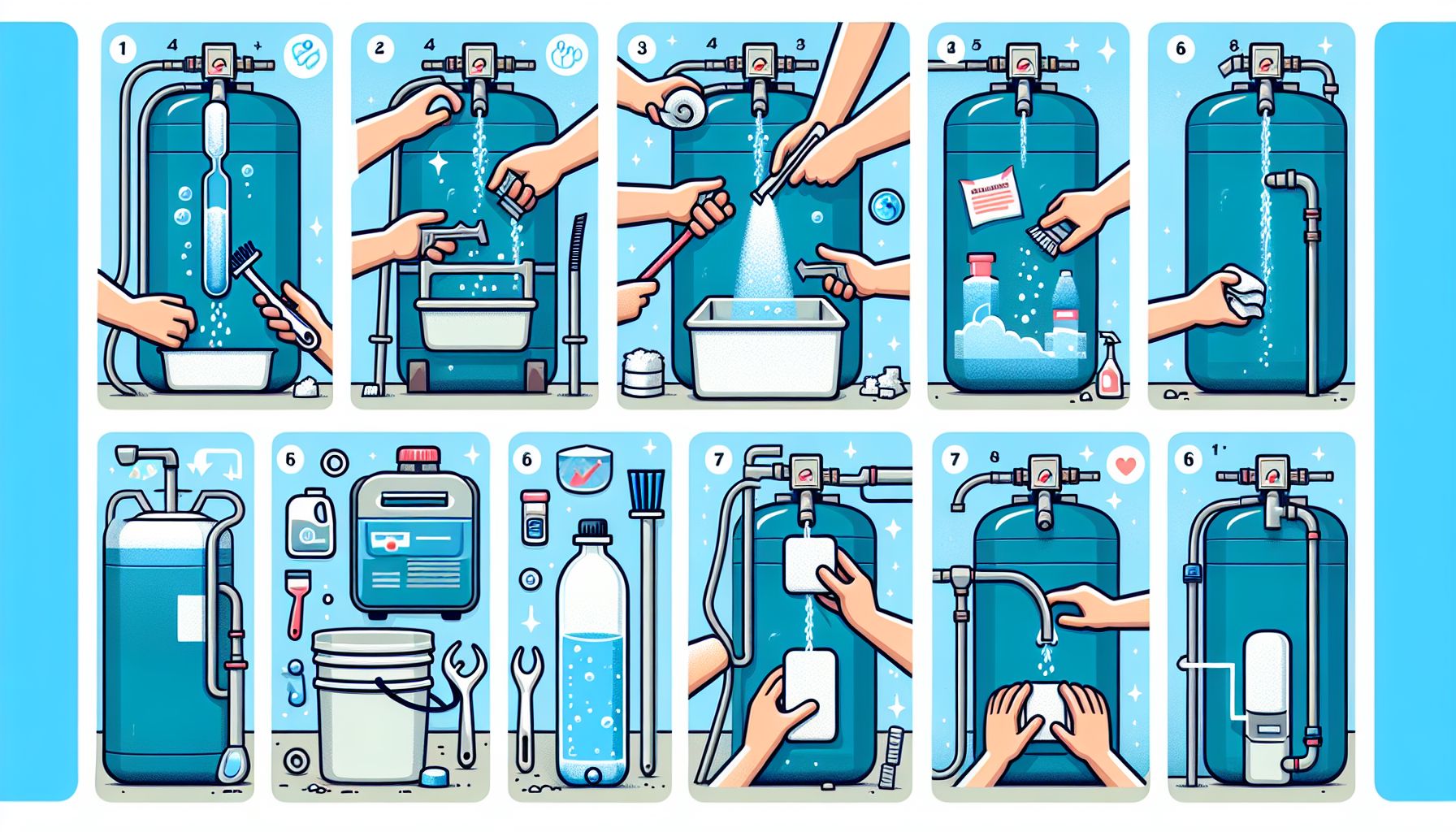
Clean the Brine Tank Every 1–10 Years
- Frequency: Clean newer units every 5–10 years and older units annually.
- Steps:
- Scoop out all water and excess salt.
- Scrub the interior with soapy water using a long-handled brush.
- Rinse thoroughly with clean water.
- Mix ¼ cup bleach with 8–11 liters of water and pour it in.
- Let the solution sit for 15 minutes to disinfect.
- Drain and rinse completely before refilling with salt.
Inspect Venturi and Brine Components
Check the Venturi gasket and brine well every 6–12 months for wear. Look for cracks, warping, or mineral buildup that could cause future failures. Replace parts proactively to avoid emergency repairs.
Follow Discharge Rules and Protect Your System
Proper disposal of softener discharge protects your home and the local environment.
Never Dump on the Ground
High salt levels kill plants, ruin soil structure, and pollute groundwater sources. Always discharge water into a sewer line or an approved drainage system. Directing flow to a sump pump pit is an alternative if local codes permit it.
Be Cautious with Septic Systems
Softener discharge can impact septic bacteria and soil absorption fields negatively. Confirm your septic tank size and consult a professional before connecting. Monitor your system closely for slow drains or odors after installation.
Know When to Call a Pro
Most drainage tasks are DIY-friendly, but some situations require expert intervention.
Call a Technician If:
- The control panel displays error codes or fails to start cycles.
- Water leaks from the control head rather than the tank.
- Replacing the gasket and cleaning the injector does not fix the issue.
- You cannot access internal parts without specialized tools.
- The resin tank appears cracked or is leaking externally.
Should You Replace the Softener?
A full brine tank rarely means you need a new unit. Consider replacement only if the unit is over 10–15 years old, multiple parts are failing, or your water usage has outgrown the system capacity.
Frequently Asked Questions About Draining Water from Water Softener
How much water should be in my brine tank normally?
Older wet models hold 15–25 cm (6–10 inches) of water constantly. Newer dry models should only have water briefly before regeneration and appear empty otherwise.
Why is my brine tank full of water after regeneration?
This usually indicates a failed brine draw caused by a worn Venturi gasket, a salt bridge, a clogged injector, or a blocked drain line preventing suction.
Can I use a regular vacuum to drain my water softener?
No, you must use a wet/dry shop vacuum rated for liquids. Standard dry vacuums will suffer electrical damage if they suck up water.
How often should I clean my brine tank?
Clean newer units every 5–10 years and older units annually. Perform monthly checks on salt levels and inspect for bridging or mushing.
Is it safe to dump softener water on my lawn?
No, the high salt content will kill plants and damage soil structure. Always drain into a sewer line or approved disposal system.
Key Takeaways for How to Drain Water from Water Softener
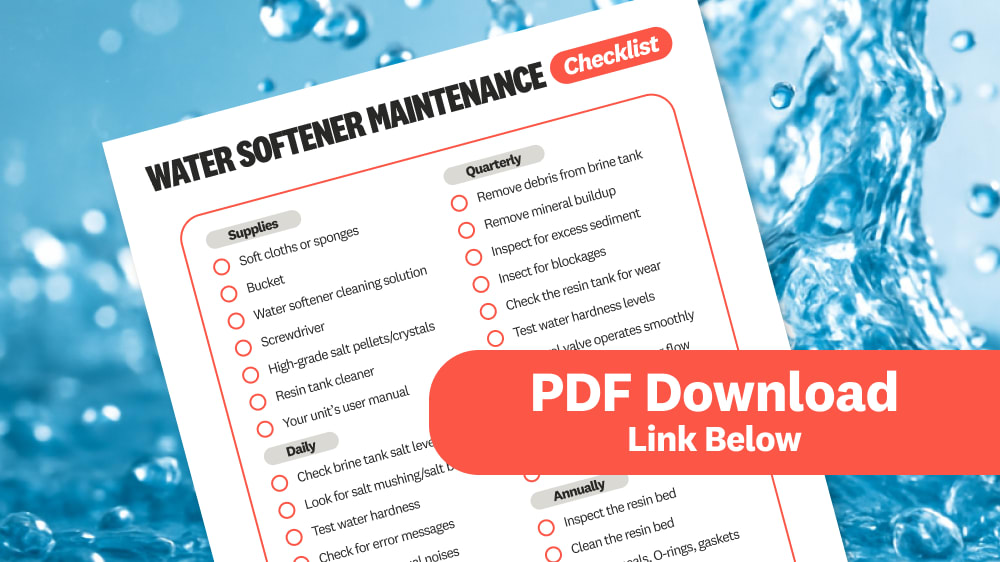
Draining your water softener requires identifying your tank type and choosing the right removal method. Whether you scoop manually, use a wet vac, or run a regeneration cycle, acting quickly prevents overflow and system damage.
Regular maintenance like checking salt levels, cleaning the tank, and replacing the Venturi gasket keeps your system running smoothly. If simple fixes do not resolve the standing water, consult a professional to avoid further complications.