Is your AO Smith water softener failing to prevent spotted dishes or dry skin? These common signs indicate your unit needs immediate attention to stop hard water damage. Neglecting routine care often leads to brine tank flooding, salt bridges, and costly appliance repairs down the road.
This guide provides actionable AO Smith water softener maintenance tips to fix flooding, clear clogs, and extend system life. You will learn specific steps to clean injectors, break salt bridges, and sanitize tanks using official protocols.
Fix Brine Tank Flooding by Cleaning the Injector
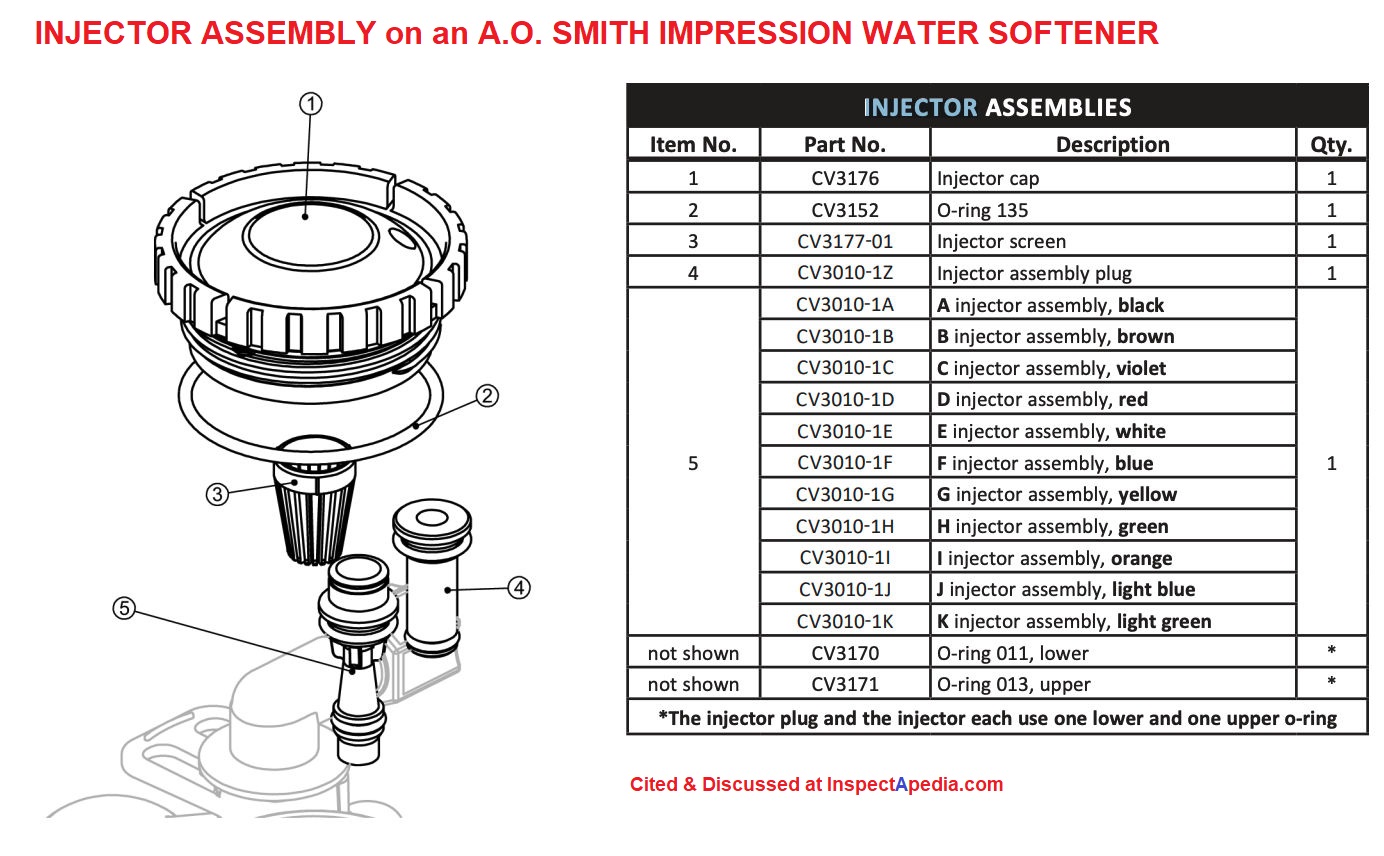
A brine tank filled with water is a frequent issue, especially in units under two years old. While many suspect a float failure, a clogged injector causes ninety percent of these flooding cases. The injector draws water into the tank during regeneration, and debris blockage stops this process.
Locate and Remove the Clogged Injector
You must isolate the system before attempting any repairs to ensure safety and prevent water damage.
- Turn off the main water supply and open a faucet to release pressure.
- Switch the service valve to the Bypass position.
- Remove the control head cover by releasing the front clips.
- Unscrew the cap on the brine well or remove the E-clip on specific models.
- Use needle-nose pliers to extract the internal white component carefully.
The injector is a small tube that fits only in the 9:00 o’clock position. Do not force the throat piece out on screw-cap models as it is not designed for removal.
Reassemble and Test the System
Clear the central hole of the injector using a thin wire or pin to remove all scale. Inspect the throat piece visually for damage before reassembly.
- Reinstall components in this order: Throat piece, O-ring, then Cap.
- Hand-tighten the cap securely without over-tightening the threads.
- Restore water supply and switch the valve back to Service.
- Run a manual regeneration cycle to verify the repair.
Check that the brine tank drains fully and no standing water remains in the well. If flooding persists, inspect the brine line for kinks or blockages.
Maintain Salt Levels Every Month
Salt is essential for regenerating resin beads that remove hardness minerals from your water. Without adequate salt, your softener cannot function properly.
Check Salt Depth Regularly
Inspect your salt levels every four to six weeks to ensure consistent performance.
- Keep the tank at least halfway full of salt at all times.
- Maintain salt depth approximately 4 inches above the water line.
- Never let the salt level drop below the halfway mark.
Running the tank dry halts regeneration and exposes resin beads to hard water damage. Use high-quality evaporated salt pellets to minimize sludge and impurities.
Break Salt Bridges Safely
A salt bridge is a hard crust that forms between the salt and water, preventing brine creation. This issue stops the regeneration process entirely even if the tank looks full.
Identify and Remove Crust Buildup
Look for a visible gap between the salt mass and the water line or notice if salt levels remain unchanged for weeks.
- Turn off the system and set the valve to Bypass.
- Insert a broom handle or dull tool into the tank gently.
- Poke the crust carefully to break it into smaller pieces.
- Avoid using sharp objects that could puncture the tank liner.
Add fresh salt after breaking the bridge and initiate a manual regeneration cycle. Stirring salt occasionally prevents compaction in humid environments.
Clean Brine Tank Every One to Two Years

Sludge, mold, and sediment accumulate over time and reduce overall system efficiency. A deep clean removes these contaminants effectively.
Perform Deep Cleaning Procedure
This process takes about sixty to ninety minutes and requires emptying the tank completely.
- Set the unit to Bypass and shut off the water supply.
- Empty the tank of all water and remaining salt.
- Remove the brine grid if your model includes one.
- Scrub the interior with warm water and mild dish soap.
- Rinse thoroughly to ensure no soap residue remains.
- Wipe surfaces with a diluted bleach solution for sanitization.
Never pour bleach directly into the tank as it damages internal components. Refill with clean salt and restore service only after thorough rinsing.
Flush Resin Bed for Iron Removal

Iron and sediment coat resin beads, reducing their capacity to exchange ions and soften water. Regular flushing restores performance.
Use Resin Tank Cleaner
Perform this maintenance every few months, especially if you have well water or high iron content.
- Add a specialized resin tank cleaner to the brine tank.
- Follow product dosage instructions carefully.
- Start a manual regeneration cycle through the control valve.
- Allow the cleaner to flush through the resin bed completely.
Installing a sediment pre-filter protects resin in iron-rich water areas. This step restores softening power and ensures cleaner water output.
Overhaul System Every Five to Ten Years
Even well-maintained units require a comprehensive refresh to handle long-term wear. Signs like streaks on glassware or lime scale indicate hard water breakthrough.
Complete Tank Rebuild Steps
A full overhaul addresses internal buildup that routine cleaning misses.
- Isolate the system using the bypass valve.
- Drain all water and salt from both tanks.
- Mix two gallons of soapy water and scrub tank walls thoroughly.
- Rinse completely and sanitize with a diluted bleach solution.
- Refill with fresh salt and return to service mode.
Perform this deep maintenance once per decade or sooner in very hard water zones. This prevents premature system failure and extends appliance life.
Optimize Control Valve Settings
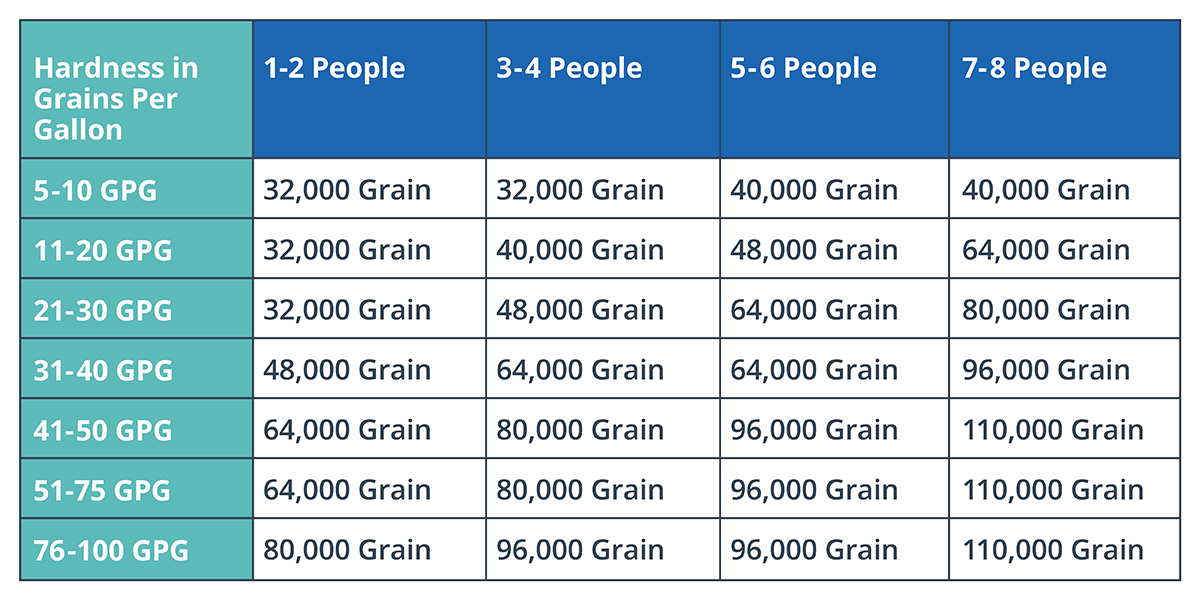
Your softener settings must match current water conditions to function efficiently. Incorrect settings lead to wasted salt and poor softening results.
Test Water Hardness Annually
Use a test kit to measure grains per gallon (gpg) of hardness in your water supply.
- Adjust control valve settings to match measured hardness levels.
- Verify settings if water quality changes seasonally.
- Ensure regeneration frequency aligns with household usage.
Wrong settings cause premature resin exhaustion and increased utility bills. Regular testing ensures your system operates at peak efficiency.
Replace Worn Components on Schedule

Resin beads and seals have a finite lifespan and require replacement eventually. Ignoring worn parts leads to system failure.
Monitor Resin Bead Lifespan
Resin beads typically last ten to fifteen years before losing effectiveness.
- Watch for returning hard water symptoms despite normal salt levels.
- Check for dark or clumped beads during maintenance.
- Contact a professional for resin replacement as it is not user-serviceable.
Inspect seals and washers during bypass valve operation for leaks. Replace any dripping components immediately using OEM parts for compatibility.
Spot Maintenance Neglect Early
Catching problems early prevents expensive repairs and system downtime. Several red flags indicate immediate attention is needed.
Recognize Warning Signs
- White crust on faucets signals scaling from hard water.
- Spotted dishes indicate poor regeneration cycles.
- Dry, itchy skin suggests ineffective softening performance.
- Higher water heating bills point to scale buildup in heaters.
- Unusual noises during regeneration suggest clogs or mechanical issues.
Act fast if you notice any of these symptoms to prevent further damage. Immediate troubleshooting saves money and restores water quality quickly.
Avoid Costly Failures with Prevention
Poor maintenance reduces performance and damages connected appliances throughout your home. The risks of skipping care are significant.
Understand Risks of Neglect
- Reduced efficiency means the softener uses salt but does not work.
- Scale ruins water heaters, dishwashers, and washing machines over time.
- Premature replacement costs over eight hundred dollars typically.
- Increased energy bills result from scale buildup reducing heating efficiency.
One hour of annual maintenance saves hundreds in potential repair costs. Consistent care protects your investment and ensures reliable soft water.
Know When to Call a Professional
Some tasks require expert knowledge and specialized tools for safe completion. Attempting complex repairs without experience can cause further damage.
Seek Professional Help If
- Brine tank still floods after thorough injector cleaning.
- Control valve fails to initiate regeneration cycles.
- Resin replacement is necessary for restored performance.
- You suspect internal valve or motor failure issues.
Schedule annual or bi-annual inspections for peak performance assurance. Certified technicians can diagnose complex issues quickly and accurately.
Frequently Asked Questions About AO Smith Water Softener Maintenance
How often should I check salt levels in my AO Smith softener?
Check salt levels every four to six weeks to ensure proper regeneration. Keep the tank at least halfway full with salt depth four inches above the water line.
What causes my brine tank to flood with water?
A clogged injector is the primary cause of brine tank flooding in most cases. Debris or scale blocks the small tube, preventing proper drainage during regeneration cycles.
How do I break a salt bridge safely?
Use a broom handle to gently poke and break the hard crust inside the tank. Avoid sharp tools that could puncture the tank liner while breaking the bridge.
When should I deep clean my brine tank?
Perform a deep clean of the brine tank every one to two years to remove sludge and sediment. This maintenance step ensures optimal system efficiency and longevity.
How long do resin beads last in a water softener?
Resin beads typically last ten to fifteen years before requiring replacement. Signs of failure include returning hard water symptoms despite proper salt levels.
Why is my water still hard after regeneration?
Hard water after regeneration often indicates a salt bridge, clogged injector, or exhausted resin beads. Check salt levels and clean the injector before calling a professional.
Key Takeaways for AO Smith Water Softener Maintenance Tips
Regular AO Smith water softener maintenance tips like checking salt, cleaning injectors, and flushing resin keep your system efficient for over a decade. Simple monthly checks prevent ninety percent of common failures and extend appliance life significantly.
Focus on preventing brine tank flooding by cleaning the injector annually and breaking salt bridges immediately upon detection. These proactive steps ensure consistent soft water performance and protect your home appliances from hard water damage.
Start your maintenance routine today by checking salt levels and inspecting the brine tank for signs of buildup. Your softener will deliver reliable, scale-free water for years when you follow these essential care guidelines.