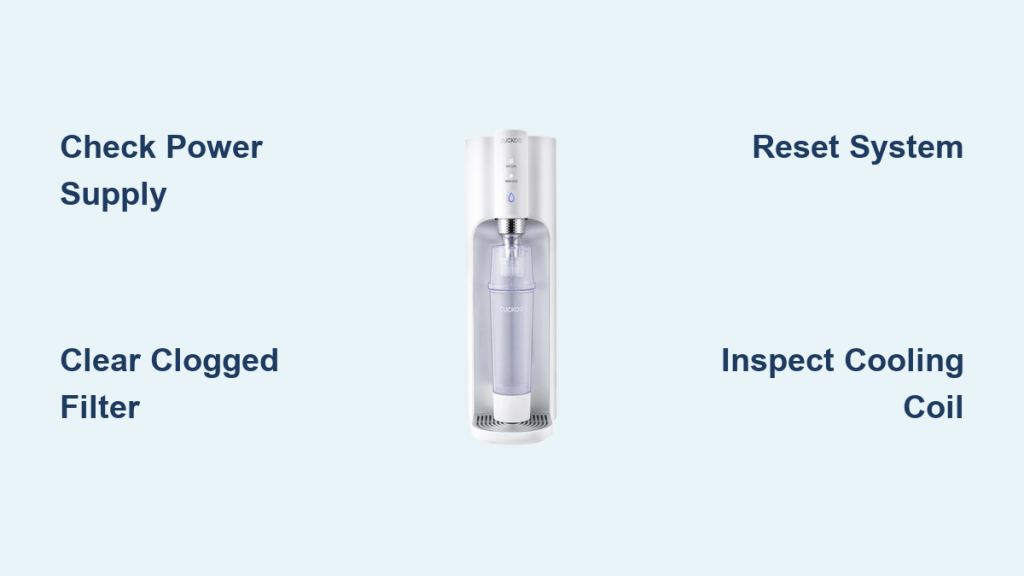
You are not alone if your Cuckoo water dispenser stops working suddenly. Whether it fails to dispense water, refuses to cool or heat, or makes strange noises, these issues disrupt your daily routine. While the brand is known for reliability, even high-quality appliances encounter problems after prolonged use or improper maintenance.
This guide focuses specifically on Cuckoo water dispensers and delivers actionable solutions based on common failure patterns. You will learn how to check power sources, clear blockages, reset the system, and diagnose cooling or heating failures without guessing.
Verify Power Supply and Electrical Connections
Power issues are the most common reason a Cuckoo water dispenser not working complaint arises. Before assuming internal damage, you must confirm the unit receives stable electricity. A loose plug or tripped breaker often mimics a broken appliance.
Test the Electrical Outlet
Plug a different device like a lamp into the same outlet to verify it works. If the second device fails, check your home’s electrical panel for a tripped switch labeled “kitchen” or “appliance.”
* Time estimate: 2 minutes
* Tools needed: Small electrical device
Inspect the Power Cord Condition
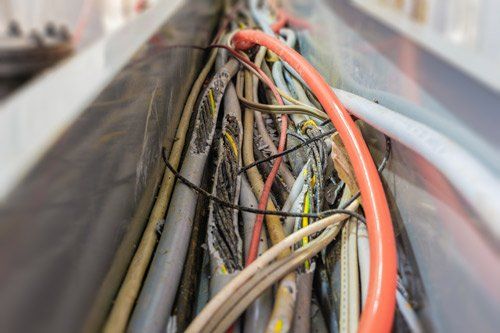
Examine the entire length of the power cord for cuts, kinks, or burn marks. Gently wiggle the cord near the plug and where it enters the unit while watching for flickering lights.
* Visual cue: Intermittent power indicates loose internal wiring.
* Warning: Never use a frayed or exposed cord as it poses a fire hazard.
Resolve No Water Dispensing Issues
One of the top complaints is no water coming out, especially from the cold side. This usually indicates a vacuum lock or a clogged spout rather than pump failure.
Check the Water Bottle Placement
Ensure the bottle is not empty and sits properly on the dispenser. A hissing sound when placing the bottle indicates air entry, which breaks vacuum locks.
* Quick fix: Remove and reseat the bottle.
* Technique: Tilt the bottle slightly during placement to allow air circulation.
Clear Spout and Internal Tube Blockages
Mineral buildup or algae can clog the spout or internal tubing over time. You can clean these components safely at home.
1. Unplug the unit completely.
2. Use a soft brush to gently scrub the spout opening.
3. Flush the system with warm water and food-safe vinegar.
4. Run several cycles of clean water afterward.
Prevention tip: Use filtered water if your tap water is hard to prevent future buildup.
Fix Cold Water Cooling Problems
If water flows but remains warm, the cooling system may be compromised. This often happens due to ambient temperature or temporary system glitches.
Verify Cooling Indicator Status
Most models have a blue or green LED indicating the cooling function is active. If the light is on but water is warm, wait one to two hours for the system to stabilize after power loss.
* No light? Check your power supply connections immediately.
* Light on? Allow time for the compressor to chill the tank.
Check Ambient Room Temperature
Compressors work best in rooms under 32°C (90°F). High room temperatures reduce cooling efficiency significantly.
* Solution: Move the unit to a cooler location with better ventilation.
* Note: Avoid placing the dispenser near ovens or direct sunlight.
Defrost a Frozen Cooling Coil
Moisture buildup can occasionally freeze around the evaporator coil. Signs include dripping water under the unit or frost near the cooling tank.
1. Unplug the dispenser.
2. Remove all water bottles and trays.
3. Leave the door open for 12 to 24 hours to defrost naturally.
4. Wipe the area dry before restarting.
Troubleshoot Hot Water Heating Failures
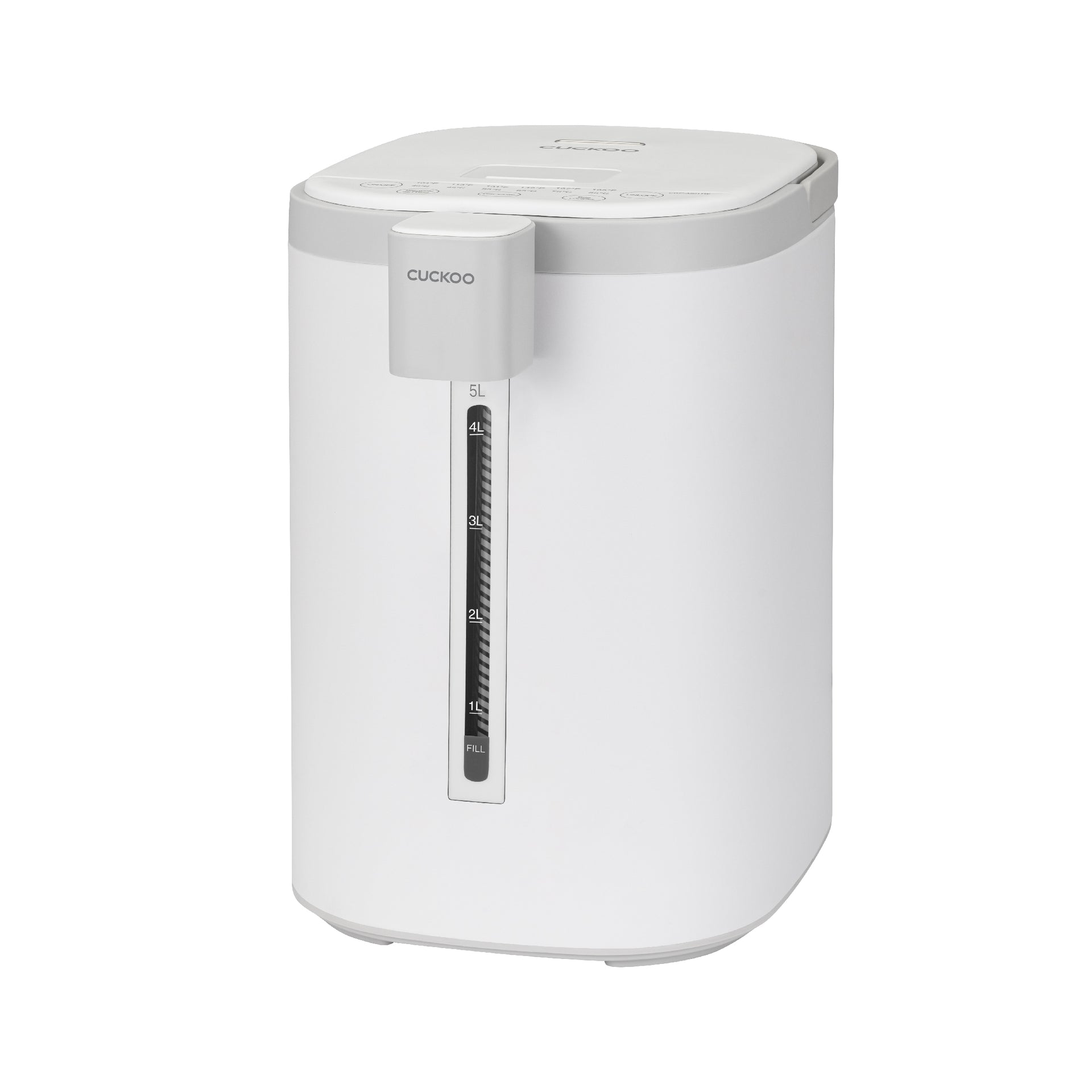
If hot water is not dispensing at the expected temperature, the issue often involves safety locks or heating element degradation.
Confirm Safety Lock Status
Many models feature a child lock or push-and-hold mechanism for the hot water tap. Press and hold the hot lever for three to five seconds to test functionality.
* Result: If water flows, the hardware is fine.
* Issue: Failure to release water suggests a mechanical blockage.
Test the Heating Element Performance
Heating elements can fail over time, especially in units older than two years. Fill a cup with hot water and measure the temperature with a thermometer.
* Target range: 85–95°C (185–203°F).
* Action: If water is lukewarm, the heater may be faulty.
* Warning: Do not attempt to replace heating elements yourself due to high voltage risks.
Diagnose Strange Noises and Leaks
Unusual sounds or puddles under the unit signal internal issues requiring immediate attention. Identifying the specific sound helps pinpoint the problem.
Identify Noise Types
- Humming: Normal compressor operation.
- Loud buzzing: Loose part or failing compressor.
- Gurgling: Air in lines or draining cycle.
- Clicking: Relay switch or thermostat cycling.
Locate Leak Sources
Common leak points include loose bottle caps, cracked hoses, or faulty solenoid valves. Dry the area completely and place paper towels under the unit to observe where moisture appears.
* Minor leaks: Replace the bottle cap seal or tighten connections.
* Persistent leaks: Stop using the unit to prevent electrical damage.
Perform a System Hard Reset
Like any electronic appliance, these dispensers can glitch. A hard reset clears temporary errors in the control board effectively.
Execute Reset Procedure
- Unplug the unit from the wall outlet.
- Wait at least five minutes for capacitors to discharge.
- Plug the unit back in.
- Wait one to two hours for systems to stabilize.
This process resolves frozen control panels, unresponsive indicator lights, and intermittent dispensing issues. It is the first step when a Cuckoo water dispenser not working error appears without obvious physical causes.
Replace Clogged Water Filters

A clogged filter reduces flow and can stop water entirely. Most models have a filter near the base or behind a front panel.
Change Filter Steps
- Turn off the water supply if plumbed in.
- Relieve pressure by dispensing a cup of water.
- Twist out the old filter carefully.
- Insert a genuine replacement filter.
- Reset the filter indicator if your model has one.
Pro tip: Soak the new filter in water for five minutes before installing to prevent airlocks.
Decode Indicator Light Patterns
LED signals communicate specific system statuses. Understanding these codes speeds up diagnosis significantly.
Common Light Codes
- Flashing red: System error or overheating. Unplug and restart.
- Solid red: Heating fault or low water. Check bottle and heater.
- No lights: No power or board failure. Test outlet.
- Alternating blue/red: Self-cleaning mode active. Wait for completion.
Consult your user manual for model-specific codes as they vary by design.
Determine When to Call a Technician
Some problems go beyond DIY fixes and require professional intervention. Seek help if the compressor runs but no cooling occurs.
Signs You Need Professional Help
- Water tastes or smells bad after thorough cleaning.
- Visible electrical damage or burning smells.
- The unit trips the circuit breaker repeatedly.
- Internal leaks persist after tightening connections.
If your dispenser is under warranty, contact support before attempting repairs. Have your model number ready, usually found on a sticker at the back.
Frequently Asked Questions About Cuckoo Water Dispensers
Why is my Cuckoo water dispenser not dispensing water at all?
This usually results from an empty bottle, a vacuum lock, or a clogged filter. Reseat the bottle to break any vacuum seal and check if the filter needs replacement.
How do I reset my Cuckoo water dispenser?
Unplug the unit from the wall, wait five minutes, and plug it back in. This hard reset clears temporary electronic glitches and restarts the control board.
Why is my cold water not getting cold anymore?
Check if the room temperature exceeds 32°C or if the cooling coil is frozen. Ensure the unit has enough ventilation and allow time for the compressor to cycle.
What does a flashing red light mean on my dispenser?
A flashing red light typically indicates a system error or overheating. Unplug the unit for ten minutes to let it cool down before restarting.
How often should I change the water filter?
Replace the filter every six to twelve months depending on usage. A clogged filter restricts flow and can cause the dispenser to stop working entirely.
Can I fix a leaking water dispenser myself?
You can fix minor leaks by tightening connections or replacing bottle seals. Persistent internal leaks require a technician to avoid electrical hazards.
Key Takeaways for Fixing Your Cuckoo Water Dispenser
Most Cuckoo water dispenser not working issues stem from simple causes like power interruptions, clogs, or user error. By checking power sources, clearing blockages, and resetting the system, you can resolve most malfunctions without professional help. Regular maintenance prevents these problems from recurring.
Start with the power check and hard reset before moving to complex diagnostics. If these steps fail or you detect electrical faults, contact certified support to ensure safe and effective repairs.