
Reverse osmosis (RO) systems are among the most effective water filtration solutions available, removing up to 99% of contaminants like lead, fluoride, nitrates, microplastics, and PFAS. But many homeowners ask: how expensive is reverse osmosis? The answer depends on system type, installation, and long-term maintenance. Prices range from $150 for a basic countertop model to over $8,000 for whole-house installations. This guide breaks down every cost factor so you can decide if RO is worth the investment for your home.
Types of RO Systems and Their Costs

Under-Sink Reverse Osmosis Systems
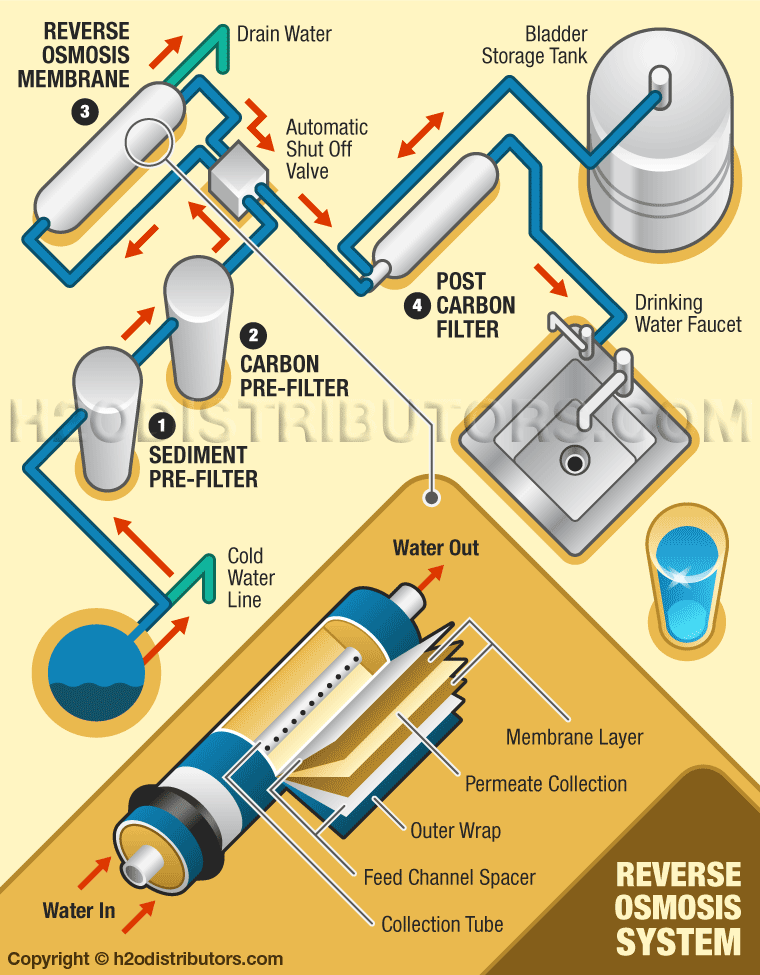
Under-sink RO units are the most popular choice for homeowners who want clean drinking water directly from the kitchen tap. These systems connect to the cold water line, drain, and a dedicated faucet, all hidden beneath the sink.
• Unit Price: $150 – $600
• Installed Cost: $300 – $1,200
• High-Performance Models: $700 – $1,200
These systems typically include 3–7 stages of filtration, including sediment pre-filters, carbon blocks, RO membranes, and optional remineralization. High-end models like the Waterdrop X12 or iSpring RCC7AK offer faster flow rates, smart monitoring, and improved efficiency.
DIY installation is possible with basic plumbing skills and can save $150–$600 in labor. The hardest part is often installing the drain saddle on the P-trap or drilling a hole for the dedicated faucet, especially in granite countertops.
Countertop RO Units
Countertop RO systems are ideal for renters, small kitchens, or temporary use. They require no permanent plumbing and plug directly into the sink or a nearby outlet.
• Price Range: $200 – $500
• Premium Models (with TDS meter or hot water): $300 – $800
• Installation Cost: $0
These units sit on the counter and draw water via a hose placed in the sink. While convenient, they are slower than under-sink models and take up valuable workspace. Some include instant hot water, making them useful for tea or cooking.
Despite lower performance, countertop RO systems are a low-risk entry point into high-efficiency filtration without drilling or plumbing changes.
Tankless RO Systems
Tankless RO systems eliminate the bulky storage tank, delivering purified water on demand. This design saves space and prevents water stagnation.
• Price Range: $350 – $600
• Top Models (e.g., Waterdrop G3P600): Up to $1,200
These systems use high-output membranes (400–800 GPD) and built-in booster pumps to maintain pressure without a tank. They refill glasses instantly and are ideal for modern kitchens with limited cabinet space.
Tankless models cost more due to advanced engineering, but they reduce bacterial growth risks and offer 1:1 pure-to-waste ratios in top-tier versions.
Whole-House RO Systems
Whole-house RO systems treat all incoming water, making them suitable for homes with well water, high TDS, or severe contamination.
• System Cost: $4,800 – $8,000+
• Installation: $1,000 – $3,000+
• Total Installed Cost: $6,000+
These are essentially residential water treatment plants, requiring large membranes, high-pressure pumps, pre-filters, and often remixing minerals or UV sterilization. They are commonly paired with water softeners to prevent scaling.
Due to complexity, professional installation is mandatory. Access to the main water line, proper drainage, and structural support are critical. These systems waste significant water and are often criticized for poor sustainability.
What Drives Up Reverse Osmosis Prices?
System Type and Scale
The biggest cost driver is where and how much water you are filtering.
• Point-of-Use (POU): Treats one tap (e.g., kitchen sink). Most affordable.
• Point-of-Entry (POE): Treats all home water. Much more expensive.
• Commercial: High-output, industrial use. Highest cost.
For most families, POU systems offer the best value, targeting only drinking and cooking water.
Filtration Stages and Features
More stages mean better filtration and higher prices.
| Stage | Purpose | Cost Impact |
|---|---|---|
| Sediment Filter | Removes rust, sand | +$20 |
| Carbon Pre-Filter | Reduces chlorine, VOCs | +$30 |
| RO Membrane | Removes dissolved solids | +$100–$200 |
| Post-Carbon Filter | Polishes taste | +$20 |
| Remineralization | Adds back calcium/magnesium | +$50–$100 |
| UV Sterilization | Kills bacteria | +$100–$200 |
| Booster Pump | Improves low-pressure flow | +$80–$150 |
Each added stage increases cost by $20–$120. A 6-stage iSpring system may cost $200 more than a 3-stage version.
Membrane Capacity (GPD)
RO output is measured in gallons per day (GPD).
• 50–100 GPD: Standard for 1–2 people
• 400–800 GPD: Faster flow, ideal for families
• 1,000+ GPD: Commercial or large homes
Higher GPD means less waiting. The 800GPD model is now popular for its rapid filtration and NSF certification.
Brand and Certification
Certified systems cost more but offer verified performance. Look for NSF/ANSI 58 for RO-specific certification, NSF/ANSI 53 for health contaminant reduction, and NSF/ANSI 401 for pharmaceuticals and PFAS.
| Brand | Price Range | Key Perks |
|---|---|---|
| iSpring | $150–$300 | Budget-friendly, 6-stage options |
| Waterdrop | $500–$1,200 | Smart monitoring, 1:1 ratio, tankless |
| Culligan | $250–$2,000+ | Professional install, app alerts, 2-year filters |
| Watts Premier | $200–$400 | Easy snap-in filters |
| GE Pro Elite | $200–$500 | Basic municipal water filtration |
Be aware: The same system can cost $200 on Amazon but $1,700 from a dealer due to markup, service contracts, and brand premium.
Ongoing Costs: Maintenance and Filters
RO systems require regular upkeep to stay effective.
Filter and Membrane Replacement
| Component | Replace Every | Cost |
|---|---|---|
| Sediment & Carbon Filters | 6–12 months | $20–$50/set |
| Post-Carbon Filter | 6–12 months | Included in kits |
| RO Membrane | 2–3 years | $50–$200 |
| Remineralization Filter | 6–12 months | $30–$80 |
| UV Lamp | 9–12 months | $40–$100 |
Annual Maintenance Cost
• Under-Sink Systems: $100–$200/year
• Whole-House Systems: $200–$500/year
Some brands offer “Subscribe & Save” programs with 5% discounts on automatic filter deliveries, reducing long-term costs.
Hidden Costs and Environmental Impact
Water Waste
RO systems reject a lot of water.
• Traditional Models: 3–4 gallons wasted per 1 gallon purified
• Efficient Models: 2:1 or 1:1
In drought-prone areas, this is a concern. However, drinking water use is less than 1% of total household consumption, so impact is limited. Many users reuse wastewater for plants or cleaning.
One user noted that bottled water production creates more environmental harm than RO wastewater due to plastic and transport emissions.
Mineral Removal and Remineralization
RO strips essential minerals like calcium and magnesium. While food is the main mineral source, the lack of minerals affects taste.
• Remineralization filters improve flavor and pH, making water taste like spring water.
• Some users report their Waterdrop 800GPD with remineralization tastes “like mountain water.”
• True health risks from demineralized water are low for most people but are recognized by the WHO in long-term use.
Remineralization is optional but recommended for better taste.
RO vs. Alternative Filtration Methods
| Method | Cost | Contaminant Removal | Water Waste | Best For |
|---|---|---|---|---|
| Reverse Osmosis | $150–$8,000 | 99%+ (heavy metals, PFAS, microbes) | High | Poor water quality, well water |
| Activated Carbon | $30–$100 | Moderate (chlorine, taste) | None | Municipal water |
| ZeroWater Pitcher | $50 + $250/year in filters | Near-RO in lab tests | None | Short-term use |
| Water Softener | $600–$5,000 | Hardness only | Low | Hard water areas |
| UV System | $500–$1,500 | Microbes only | None | Well water with bacteria |
RO offers the broadest contaminant removal, justifying its higher cost in risky water areas.
Does Reverse Osmosis Pay for Itself?
Upfront vs. Long-Term Savings
• Initial Cost: $150–$6,000
• Annual Maintenance: $100–$500
• Bottled Water Savings: $100–$300/year
Most RO systems pay for themselves in 1–3 years by eliminating bottled water. One person drinking bottled water can spend over $1,000 in five years, more than the total cost of a mid-range RO system.
Additional savings include longer appliance life (less scale in kettles, coffee makers) and fewer health issues from contaminated water.
When Should You Invest in RO?
Install RO if you answer yes to any of the following.
• Water test shows lead, nitrates, or PFAS
• Tap water tastes metallic, salty, or cloudy
• You want healthier water for babies or cooking
• You are tired of buying plastic bottles
• You have well water or old plumbing
One user reported throat irritation from tap water that RO resolved completely.
Total Cost of Ownership (5-Year Estimate)

| Expense | 5-Year Cost |
|---|---|
| System + Installation (POU) | $400 – $1,300 |
| Filter Replacements | $300 – $600 |
| Membrane Replacement | $100 – $300 |
| Optional Inspections | $0 – $500 |
| Repairs | $0 – $800 |
| Total | $1,300 – $2,800 |
This is less than four years of bottled water for one person. Over time, RO delivers clear financial and health benefits.
Frequently Asked Questions About Reverse Osmosis Costs
How much does a basic reverse osmosis system cost?
A basic under-sink RO system costs $150–$600 for the unit, with complete setups including professional installation ranging from $300–$1,200. Countertop models cost $200–$500 and require no installation.
Is reverse osmosis worth the cost?
Yes, for homes with unsafe water. RO systems typically pay for themselves in 1–3 years through bottled water savings. Most homeowners spend $1,300–$2,800 over five years, less than four years of bottled water purchases.
How much does filter replacement cost annually?
Annual filter replacement costs $100–$200 for under-sink systems. This includes sediment filters, carbon filters, and post-carbon filters. The RO membrane itself costs $50–$200 and lasts 2–3 years.
Are whole-house RO systems worth the investment?
Whole-house systems cost $6,000 or more total. They are only worth it if you have severe water contamination, well water with high TDS, or specific health concerns. Most homes only need a point-of-use under-sink system.
Does reverse osmosis waste a lot of water?
Traditional RO systems waste 3–4 gallons for every 1 gallon purified. Modern high-efficiency models reduce this to 2:1 or 1:1. Many users collect wastewater for gardening to offset this impact.
Can I install an RO system myself to save money?
Yes, DIY installation is feasible for under-sink and countertop systems. It costs $0–$50 in tools and can save $150–$600 in labor costs. The most challenging step is connecting the drain saddle to the P-trap.
Key Takeaways on Reverse Osmosis Pricing
Reverse osmosis is expensive compared to basic filters, but cost-effective for homes with unsafe water. A $200–$600 under-sink system with remineralization and high efficiency offers the best balance of performance, cost, and sustainability. Most households spend between $300 and $1,200 total for a quality under-sink system with professional installation.
The long-term costs are reasonable when you factor in bottled water savings and improved health outcomes. Annual maintenance runs $100–$200, and systems typically last 10–15 years with proper care. For most people, the investment is worth every dollar, delivering cleaner, safer, better-tasting water for years.