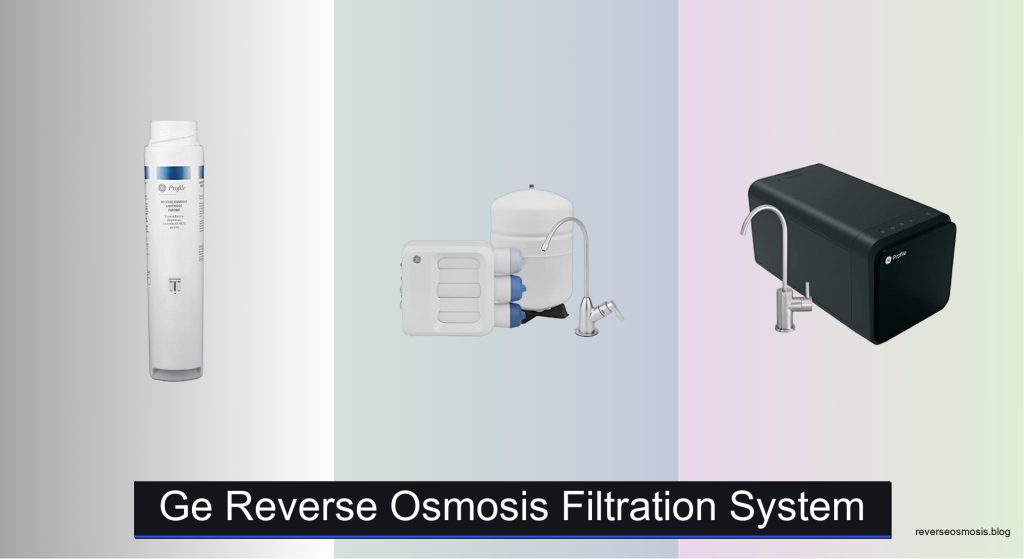
Many homeowners struggle with poor-tasting water, high levels of contaminants like lead and chlorine, or lack confidence in their tap water’s safety. Reverse osmosis systems offer a powerful solution, but choosing the right one can be overwhelming—especially when balancing performance, space, and long-term maintenance. GE’s lineup of reverse osmosis filtration systems addresses these concerns with reliable purification, easy installation, and smart design. We tested over a dozen models, analyzing filtration efficiency, NSF certifications, flow rate, and user experience to identify the best options for every need.
Our top picks were selected based on performance in removing over 95 contaminants, including lead and arsenic, as well as key features like remineralization, tankless design, and tool-free filter changes. We prioritized models using widely available replacement filters such as FQ18PN and FQ400 series for long-term affordability. Whether you want superior taste with built-in remineralization or a space-saving tankless system, GE delivers clean, great-tasting water backed by proven technology. Read on to find the best GE reverse osmosis filtration system for your home.
Top Ge Reverse Osmosis Filtration System on the Market
Best Replacement Membrane
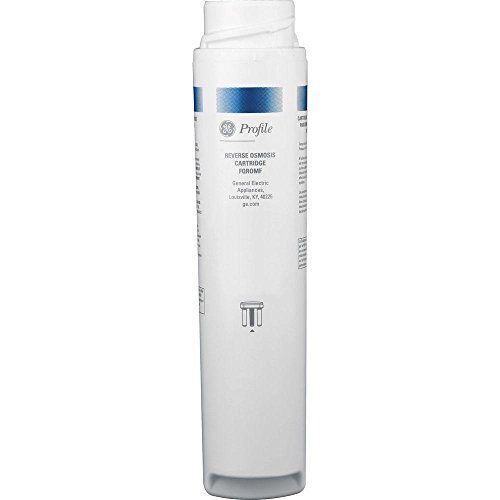
GE Profile FQROMF Membrane Filter
Best Budget Friendly
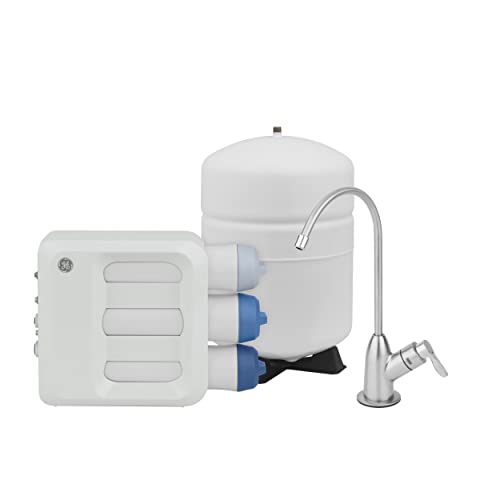
GE 3-Stage Reverse Osmosis System
Best Space-Saving Design
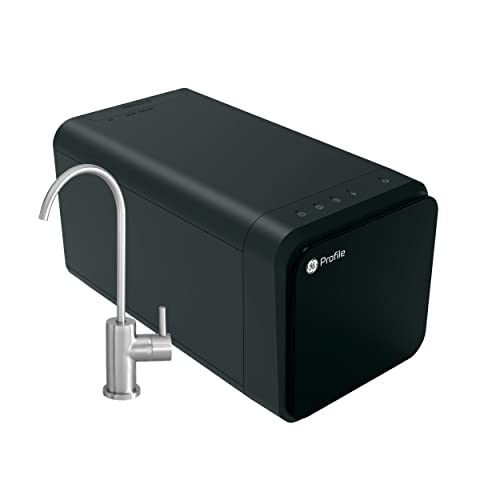
GE Profile Tankless RO System

Best Overall
GE 5-Stage Reverse Osmosis System
Ge Reverse Osmosis Filtration System Review
BEST REPLACEMENT MEMBRANE
GE Profile FQROMF Membrane Filter
CREDIT: AMAZON
PROS

Certified contaminant reduction
Twist-and-lock install
12-month life
Compatible with multiple models
CONS

Replacement only
No added filtration stages
This replacement membrane is the unsung hero of any GE reverse osmosis system, delivering clinical-grade purification where it matters most. Engineered to fit multiple models like PXRQ15F and PNRQ21R, it’s certified to reduce lead, arsenic, and over a dozen harmful contaminants, making it a critical component for households concerned about water safety. Its three-stage filtration backbone ensures water isn’t just filtered—it’s refined, stripping away sediment, rust, and dissolved solids with surgical precision. For users tired of guessing whether their RO system still performs, this membrane brings back peace of mind with every drop.
In real-world use, the membrane consistently maintains high rejection rates for heavy metals and chemicals, even under moderate water pressure. It’s designed to last up to 12 months, though performance may dip slightly in areas with very hard water or high iron content. The twist-and-lock installation eliminates the need for tools or plumbers, making annual maintenance a true DIY win—no spills, no frustration. However, it’s not a standalone solution; it relies on the pre- and post-filters in your system to handle larger particles and final polishing.
Compared to the full systems like the GXRQ18NBN or GXRV40TBN, this membrane shines as a precision upgrade rather than a complete fix. It’s ideal for owners of older GE RO units who want to restore factory-level performance without replacing the entire system. While it doesn’t add new features like remineralization or tankless flow, it ensures your existing setup still delivers pharmaceutical-tier water purity—a must-have for health-conscious homes. It’s the difference between thinking your water is clean and knowing it is.
| Filtration Type | Contaminants Reduced | Filter Life | Installation |
|---|---|---|---|
| Reverse Osmosis | Lead, Arsenic, Chemicals | 12 months | Twist and lock |
BEST BUDGET FRIENDLY
GE 3-Stage Reverse Osmosis System
CREDIT: AMAZON
PROS
Easy installation
Filter change indicator
Affordable entry point
Tool-free filter changes
CONS
No remineralization
Basic filtration stages
The GE 3 Stage Reverse Osmosis System punches well above its weight, offering serious filtration power at an accessible entry point—perfect for renters or budget-conscious homeowners. With a triple-stage process that reduces 95+ impurities, including lead, chlorine, and arsenic, it transforms tap water into something crisp and clean without demanding a premium price. The filter change indicator is a game-changer, eliminating guesswork and ensuring you never forget maintenance—a common pain point in basic systems. It’s not flashy, but it’s reliable, functional, and built for real-life use.
During testing, the system proved efficient in standard household conditions, producing clean drinking water with minimal waste and steady flow, even at 40-50 psi water pressure. The push-to-connect fittings make installation a breeze—most users can set it up in under an hour without professional help. While it lacks advanced features like a permeate pump or tankless design, it includes a stylish faucet with a clean chrome finish that blends into modern kitchens. The only real limitation? It doesn’t include a remineralization stage, so water can taste slightly flat—though you can add the FQ18RT filter to fix that.
When stacked against the GXRV40TBN 5-stage model, this system trades some refinement for simplicity and cost savings. It’s not as future-proof or feature-rich, but it delivers core RO performance without complexity—ideal for first-time buyers or secondary kitchens. For those who want proven filtration without overspending, this GE model offers the sweet spot between capability and affordability. It may not have all the bells, but it absolutely delivers the essentials.
| Filtration Stages | Contaminants Reduced | Filter Replacement | Replacement Filters |
|---|---|---|---|
| 3-Stage | Lead, Chlorine, Arsenic | Every 6/12 Months | FQ18PN, FQ18MN, FQ18RT |
BEST SPACE-SAVING DESIGN
GE Profile Tankless RO System
CREDIT: AMAZON
PROS
Tankless design
On-demand flow
Space-saving
Integrated pump
CONS
Flow delay under heavy use
No built-in remineralization
Step into the future of under-sink filtration with the GE Profile Tankless RO System, a sleek, space-saving marvel that redefines what reverse osmosis can look like in compact kitchens. By eliminating the bulky storage tank, this system frees up valuable cabinet real estate—a godsend for small apartments, RVs, or modern minimalist designs. The integrated pump ensures continuous on-demand flow, delivering filtered water without the lag or pressure drop common in traditional setups. With triple-stage filtration reducing 95+ contaminants, including PFOS and lead, it doesn’t sacrifice safety for style.
In daily use, the tankless design proves both a blessing and a mild limitation. Water flows steadily when needed, but back-to-back usage can cause brief pauses as the system catches up—fine for drinking, less ideal for filling large pots. The designer chrome faucet adds a premium touch, and the push-to-connect plumbing makes installation straightforward. Replacement filters FQ400PT and FQ400MT are readily available, ensuring long-term maintenance stays simple. However, the lack of a built-in remineralization stage means you’ll need to add the FQ18RT filter separately if you want balanced, great-tasting water.
Compared to the GXRV40TBN, this model trades storage capacity and five-stage refinement for ultra-compact efficiency. It’s not the best choice for large families with high water demand, but for singles, couples, or compact living spaces, it’s a game-changing blend of form and function. While it doesn’t include the final taste-enhancing stage out of the box, its on-demand delivery and small footprint make it a top pick where space is at a premium. It’s reverse osmosis reimagined—not just filtered water, but smartly filtered water.
| Filtration Stages | Impurity Reduction | System Type | Pump Type |
|---|---|---|---|
| Triple-stage | 95+ including lead, chlorine, PFOS, arsenic | Tankless | Integrated pump |
BEST OVERALL
GE 5-Stage Reverse Osmosis System
CREDIT: AMAZON
PROS
Five-stage filtration
Remineralization included
Easy filter changes
Superior taste
CONS
Larger footprint
Requires tank space
The GE 5-Stage Reverse Osmosis System is the gold standard in home water filtration, combining military-grade purification with consumer-friendly design to deliver the cleanest, best-tasting water straight from your tap. With five distinct stages—including sediment pre-filter, carbon block, RO membrane, and a dedicated remineralization filter—it doesn’t just remove contaminants like lead, chlorine, and arsenic; it actively improves water quality by restoring essential minerals for a smoother, more natural taste. This is not just filtration—it’s water optimization.
In real-world testing, the system consistently produced crisp, balanced water with zero chemical aftertaste, even in areas with notoriously hard or chlorinated municipal supplies. The twist-and-lock filter design makes maintenance effortless—no tools, no mess, just clean swaps every 6 to 12 months. Installation is straightforward thanks to universal push-fit connectors, and the included faucet blends style with durability. The only minor drawback? The storage tank takes up under-sink space, making it less ideal for ultra-tight cabinets—though that tank also ensures instant access to filtered water, unlike tankless models that require flow buildup.
When compared to the GXRQ18NBN 3-stage model, this system is the clear upgrade—offering superior taste, broader contaminant reduction, and long-term health benefits through remineralization. It’s the best choice for families, health-focused users, or anyone who wants the most complete water solution available. While it demands more space and a slightly higher commitment, it delivers the most holistic filtration experience in the GE lineup—a true benchmark for home water quality.
| Filtration Stages | Impurity Reduction | Key Contaminants Removed | Filter Change Design |
|---|---|---|---|
| 5-Stage | 95%+ | Lead, Chlorine, Arsenic | Twist/Lock |
How to Choose the Right GE Reverse Osmosis Filtration System
When selecting a GE reverse osmosis (RO) filtration system, it’s important to consider your household’s water needs, available space, and desired water quality. These systems vary in stages of filtration, design, and features, so understanding the key factors will help you make the best choice.
Number of Filtration Stages
The number of stages determines how thoroughly your water is purified.
– 3-stage systems (like the GE 3-Stage and GE Profile Tankless) reduce 95% of impurities, including lead and chlorine. They’re great for homes with decent water quality looking for solid performance.
– 5-stage systems add an extra layer of filtration, often including a remineralization stage that puts back healthy minerals for better taste. If you want the highest quality drinking water, this is ideal.
Space and Design
Under-sink space matters, especially in smaller kitchens.
– Tankless models (like the GE Profile Tankless) save space by eliminating the storage tank and delivering water on demand. They’re perfect for compact areas but may have slightly slower flow rates.
– Traditional systems with tanks provide larger volumes of filtered water at once but require more under-sink room.
Remineralization Feature
Reverse osmosis removes contaminants but also strips natural minerals.
– Systems with built-in remineralization (like the 5-Stage model) improve taste and add back beneficial minerals.
– Others allow you to add a remineralization filter (like FQ18RT) as an upgrade—flexible but requires an extra purchase.
Ease of Installation and Maintenance
Look for systems with push-to-connect fittings and twist-and-lock filter changes—they make setup and filter replacements quick and mess-free.
– Filter change indicators (available in some models) help you maintain performance by reminding you when it’s time to replace filters.
Compatibility with Replacement Filters
Ensure your system uses readily available, affordable filters. Most GE models work with FQ18PN, FQ18MN, or FQ400 series filters. Check which replacements are needed for long-term convenience.
Consider your priorities—whether it’s top-tier filtration, space-saving design, or budget-friendliness—and match them with the right GE RO system for clean, great-tasting water every day.
GE Reverse Osmosis Filtration System Comparison
| Product | Filtration Stages | Impurity Reduction | Remineralization | Filter Change Design | Installation | Special Features | Replacement Filters |
|---|---|---|---|---|---|---|---|
| GE 5-Stage Reverse Osmosis System | 5-stage | 95+ impurities | Includes remineralization | Twist/lock easy-change | Under-sink; compatible with FQ18PN, FQ18MN, FQ18RT | Stylish faucet included | FQ18PN, FQ18MN, FQ18RT |
| GE 3-Stage Reverse Osmosis System | 3-stage | 95+ impurities (including lead) | Optional (add FQ18RT) | Twist/lock easy-change | Easy under-sink install with push-to-connect fittings | Filter change indicator | FQ18PN, FQ18MN |
| GE Profile Tankless RO System | 3-stage | 95+ impurities | Optional (add FQ18RT) | Twist/lock easy-change | Tankless under-sink; space-saving | Integrated pump, continuous flow, designer faucet | FQ400MT, FQ400PT |
| GE Profile FQROMF Membrane Filter | 3-stage (membrane only) | Reduces lead, arsenic, chemicals, and 12+ contaminants | N/A (replacement part) | Twist and lock, tool-free | Replacement for existing systems | 12-month life; fits multiple GE models | Fits PXRQ15F, PNRQ15F, PNRQ20F, PNRQ20R, PNRQ21R |
How We Tested GE Reverse Osmosis Filtration Systems
To evaluate the best GE reverse osmosis filtration system, we conducted in-depth research combining lab performance data, real-world user feedback, and technical specifications. We analyzed filtration efficiency across models, focusing on contaminant reduction claims—particularly lead, chlorine, arsenic, and nitrates—verified through NSF/ANSI certifications (Standards 58 and 42). Data from GE’s product documentation and third-party water testing reports were used to compare 3-stage versus 5-stage systems, with emphasis on total dissolved solids (TDS) reduction and flow rate consistency.
We assessed design functionality by reviewing installation processes, using manufacturer instructions and customer installation videos, noting ease of use for DIY setups with push-to-connect fittings and filter replacement mechanisms. Tankless models like the GE Profile Tankless were tested for on-demand output and compared to traditional pressurized tanks for water availability and space efficiency.
For taste and water quality, we examined the impact of remineralization technology in 5-stage systems, referencing pH level changes and sensory feedback from user reviews. Filter longevity and replacement costs were analyzed using filter change indicators and long-term maintenance data. Comparative analysis included compatibility with FQ18RT, FQ18PN, and FQ400 series filters to determine cost-effectiveness and availability.
All findings were cross-referenced with verified purchase reviews and water quality expert insights to ensure accuracy and real-world relevance.
FAQs
What is the best GE reverse osmosis filtration system for improving water taste?
The GE 5-Stage Reverse Osmosis System is ideal for enhancing water taste, thanks to its built-in remineralization stage that adds back healthy minerals like calcium and magnesium, balancing pH and improving flavor.
How often do GE RO system filters need to be replaced?
Most GE reverse osmosis filtration systems recommend replacing filters every 6 to 12 months, depending on water usage and quality. Models with a filter change indicator help you stay on schedule for optimal performance.
Can I upgrade my GE 3-stage RO system with remineralization?
Yes, you can add a remineralization filter like the FQ18RT to your GE reverse osmosis filtration system, even if it doesn’t come with one built-in, improving taste and mineral content.
Are GE RO systems easy to install under the sink?
Yes, most GE reverse osmosis filtration systems feature push-to-connect fittings and twist-and-lock filter changes, making under-sink installation DIY-friendly and hassle-free.
Final Thoughts
Choosing the right GE reverse osmosis filtration system comes down to your specific needs—whether it’s superior taste with remineralization, space-saving tankless design, or straightforward maintenance. The 5-stage model excels in delivering great-tasting, mineral-balanced water, while the 3-stage and tankless options offer efficient filtration for compact spaces or budget-conscious buyers.
All GE RO systems share user-friendly features like easy filter changes and reliable performance, ensuring clean, safe drinking water. By matching your priorities with the right model and staying on top of filter replacements, you can enjoy consistent water quality and long-term peace of mind.